





Updated Jan 19, 2026
Buying a new bed can be overwhelming. With so many types of mattresses available, it can be difficult to figure out which one is right for you.
In this post, we’ll provide you with answers to one of the most common concerns on the mattress market: the memory foam vs. spring mattress debate.
Spring mattresses have been around for decades and are arguably one of the most traditional types of mattresses. They offer bouncy support in a variety of coil and spring types. On the other hand, foam mattresses are a lot more modern, with soft and dense features that have the ability to conform to the body and evenly distribute weight.
So how do you choose? Use our comparison guide below to weigh the pros and cons of foam vs. spring mattresses in order to choose the option best suited for your sleeping needs.
What Is a Foam Mattress?

Foam mattresses are made out of different types of foam to provide both support and softness. NASA invented memory foam in the 1970s, after which it became the most well-known type of foam mattress.
Memory foam is dense, durable, soft, and has a plush to medium firmness with a lifespan of about 10 years. It’s lauded for its heat-reactive abilities and the ability to evenly distribute weight.
Best for:
- People who want moldable support
- Sleepers who share a bed
Price:
- $800-$2,500+
Types of Foam Mattresses

There are two types of foam mattresses: traditional memory foam and open-cell foam. Each type has its own unique qualities and features.
- Traditional memory foam – Traditional memory foam mattresses are built with a polyurethane foam that conforms to the body during sleep and a closed cell structure that traps heat.
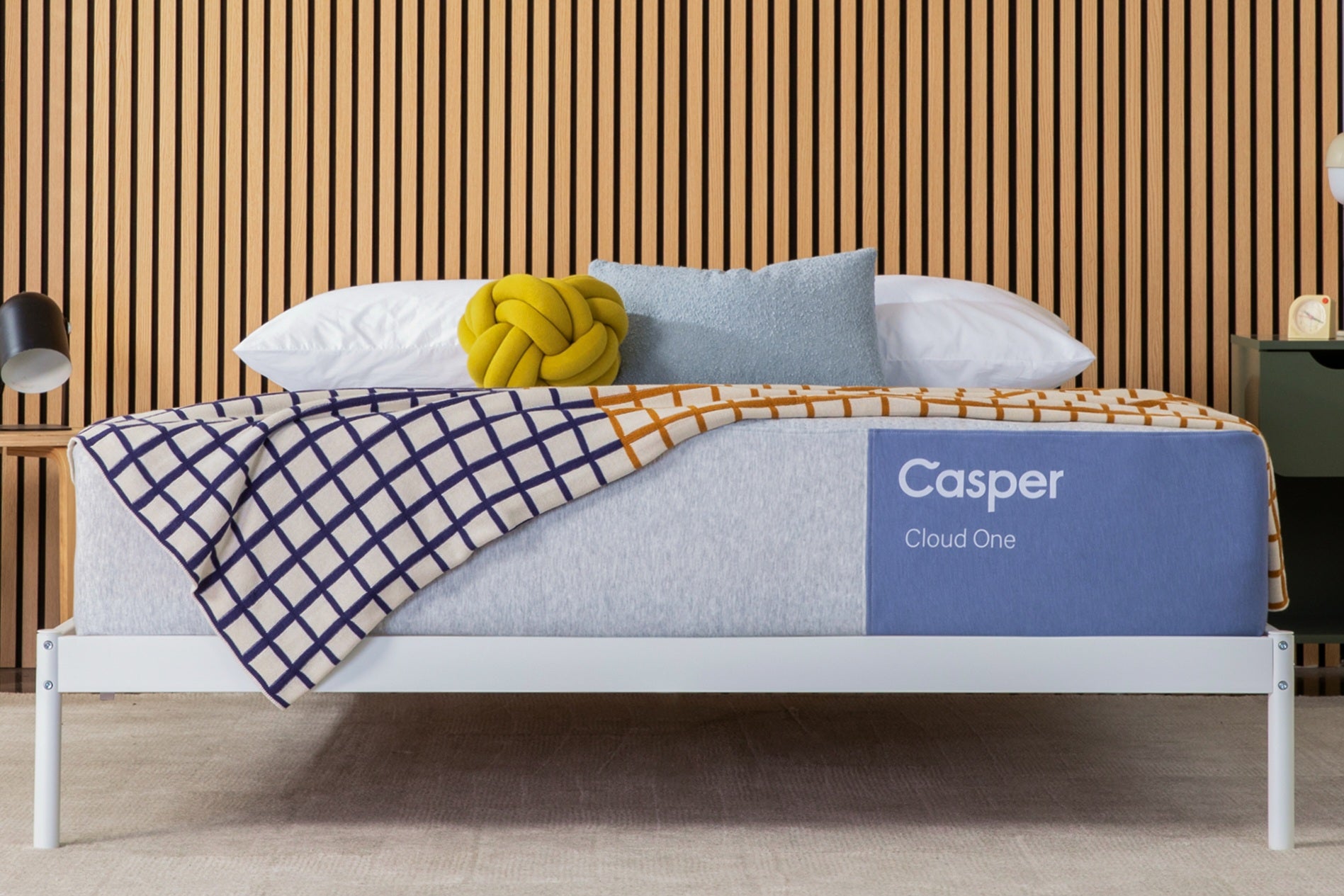
- Open-cell foam – Open-cell memory foam mattresses are less dense and softer than traditional foam mattresses. The “open-cells” create small tunnels that promote air movement throughout the mattress and allow heat to escape. The Casper One mattress unites open-cell foam technology with high-density memory foam for that signature “just right” feel.
Construction

Memory foam mattresses are composed of several layers of foam with a polyurethane foam base. Polyurethane foam is made with several different density levels.
However, the construction of your memory foam mattress will depend on what type of memory foam is used. On top of the polyurethane base is a transitional layer of support foam followed by several layers of memory foam. These layers can consist of several different materials including latex foams, memory foams, memory foam hybrid mixes, and more.
The firmness of a memory foam mattress is measured in indentation load deflection (ILD). This refers to the weight required to make an indention in the mattress. The lower the ILD, the softer the mattress. Memory foam densities range from low (1.5 to three pounds per cubic foot) to medium (four to five pounds per cubic foot) to high (six to eight pounds per cubic foot).
Foam Mattress Pros
- Uses the body’s heat to soften and mold to the contours.
- Keeps you cool at night.
- Soft on the neck, spine, and hips.
- Motion isolation technology absorbs movement.
Foam Mattress Cons
- Heavier than traditional spring mattresses.
- Less reactive and bouncy than spring mattresses.
Casper’s Best Foam Mattress
Here at Casper, we know what award-winning comfort feels like. When choosing a foam mattress, you’ll want to buy from a brand you trust so you can get the snooze-worthy sleep you need. Here’s some information about our top-rated memory foam mattress.
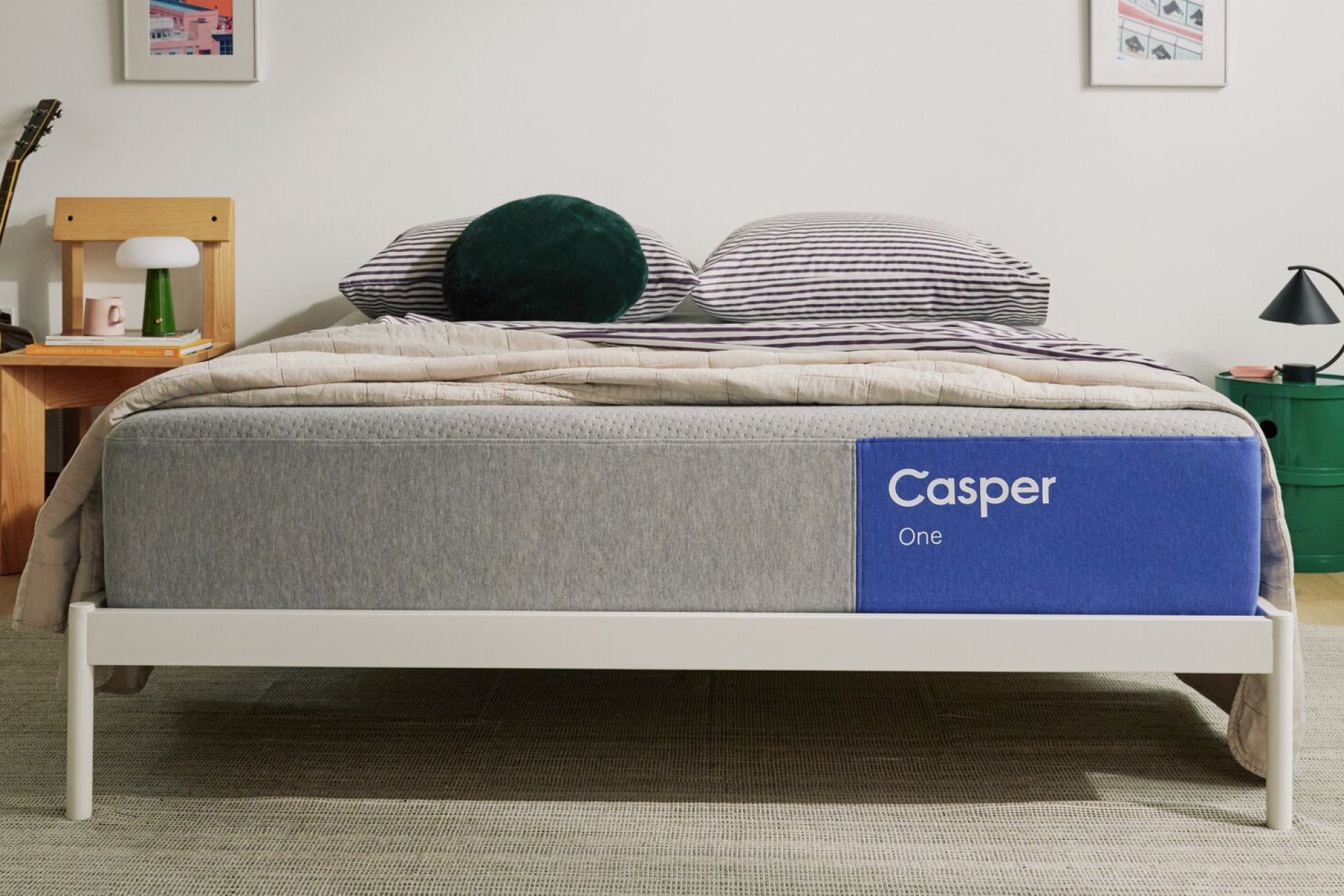
Casper® One Mattress
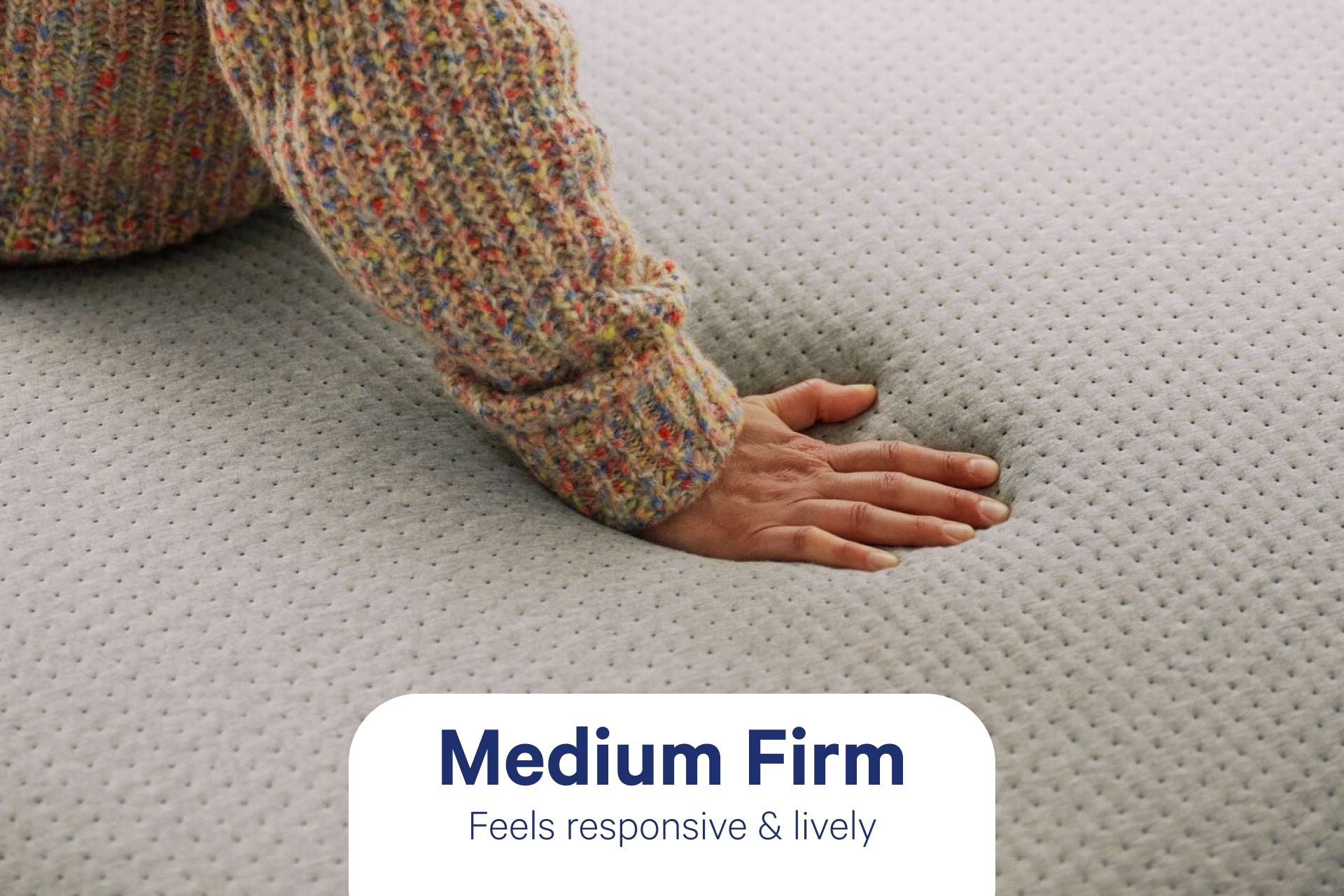
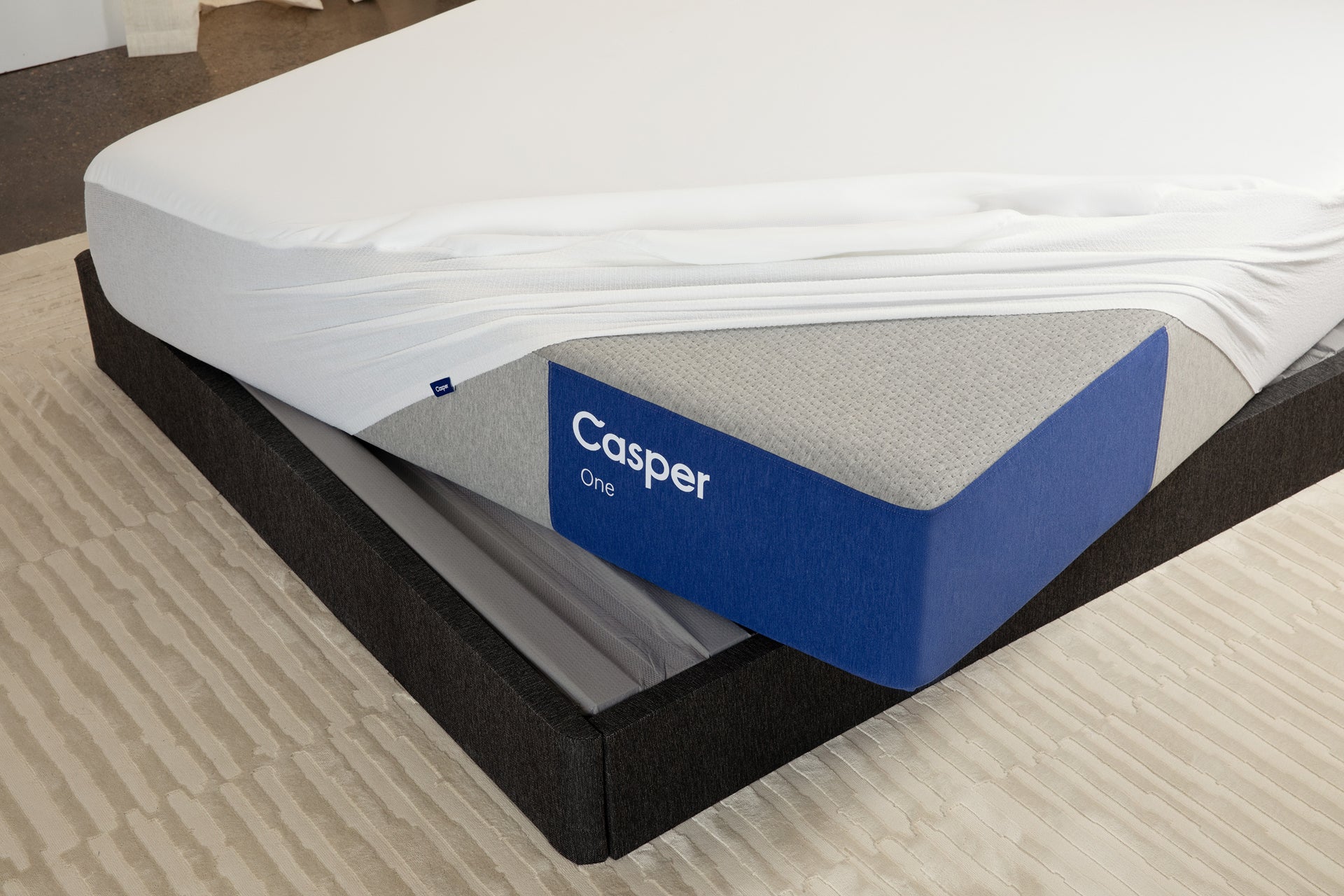
The Casper® One Mattress is our best-selling all-foam bed, expertly engineered for affordable, all-night comfort. It features three layers of supportive foam—including cradling memory foam and our breathable Breathe Flex Foam—that work together to provide continuous support and pressure relief. The open-cell foam construction enhances airflow to help prevent overheating, while the medium-firm feel delivers the perfect balance of responsiveness and support that sleepers love.
What Is a Spring Mattress?

Spring mattresses, also known as innerspring mattresses, are the most traditional type of mattress. They are great for back sleepers and those with lower back pain. They are also an ideal option for individuals who find that foam mattresses do not offer the feel they prefer.
Best for:
- People who sleep on their back
- Sleepers who enjoy more bouncy lift
Average price:
- $500-$1,200+
Types of Spring Mattresses

The different types of spring mattresses can be identified by the specific coils or springs that are used. The thicker the coils of an innerspring mattress, the firmer it is. Thinner coils are less firm but are able to shape to your body profile a lot better.
There are four different types of innerspring mattresses: pocketed, offset coil, Bonnell coil, and continuous coil. The higher the coil count, the better the mattress will conform to your body shape.
- Pocket coils – Pocket coils are individual springs wrapped in a fabric cover. They tend to be more expensive to make and can often be found in higher-end mattresses. The construction of these coils allows each coil to function on its own — conforming to pressure independently and separating motion.
- Offset coils – Like pocket coils, offset coils can be found in higher-end innerspring mattresses. They have an hourglass shape with flat tops and bottoms that join together with helical wires. These types of coils are stiff, durable, and conform to your body.
- Bonnell coils – Bonnell coils can be found in most cheaper options of spring mattresses. They are hourglass-shaped and have a wide portion that flexes so the body can sink when weight is applied.
- Continuous coils – Continuous coils are more supportive than Bonnell coils because they are composed of a long wire that is twisted into hundreds of S-shaped coils. These coils are connected by helical lacing that offers support and creates a motion-isolating feature.
Construction

Innerspring mattresses are generally made of three layers. A high-density foam base is followed by a layer of coil springs. These springs are surrounded by layers of comfort material that include materials like natural fibers, foam, or latex.
The metal coils are cushioned by supportive layers on the bottom and a comfort material at the top. The type of spring mattress you choose will determine what coil type and layout is used.
Spring Mattress Pros
- Great back support.
- Wide range of firmness levels to choose from.
- Budget-friendly options.
Spring Mattress Cons
- Poor motion isolation transfers movement, disturbing shared sleep.
- Older springs can often be noisy.
- Less pressure relief on joints than foam.
Foam vs. Spring Mattresses: Main Differences

So, what are the main differences between memory foam and spring mattresses? Below we discuss some of the key features to keep in mind when choosing between a foam vs. spring mattress.
Temperature
Spring mattresses allow for increased airflow between the coils. However, in recent years, many memory foams also now include cooling gels and advanced open-cell structure to help regulate body temperature.
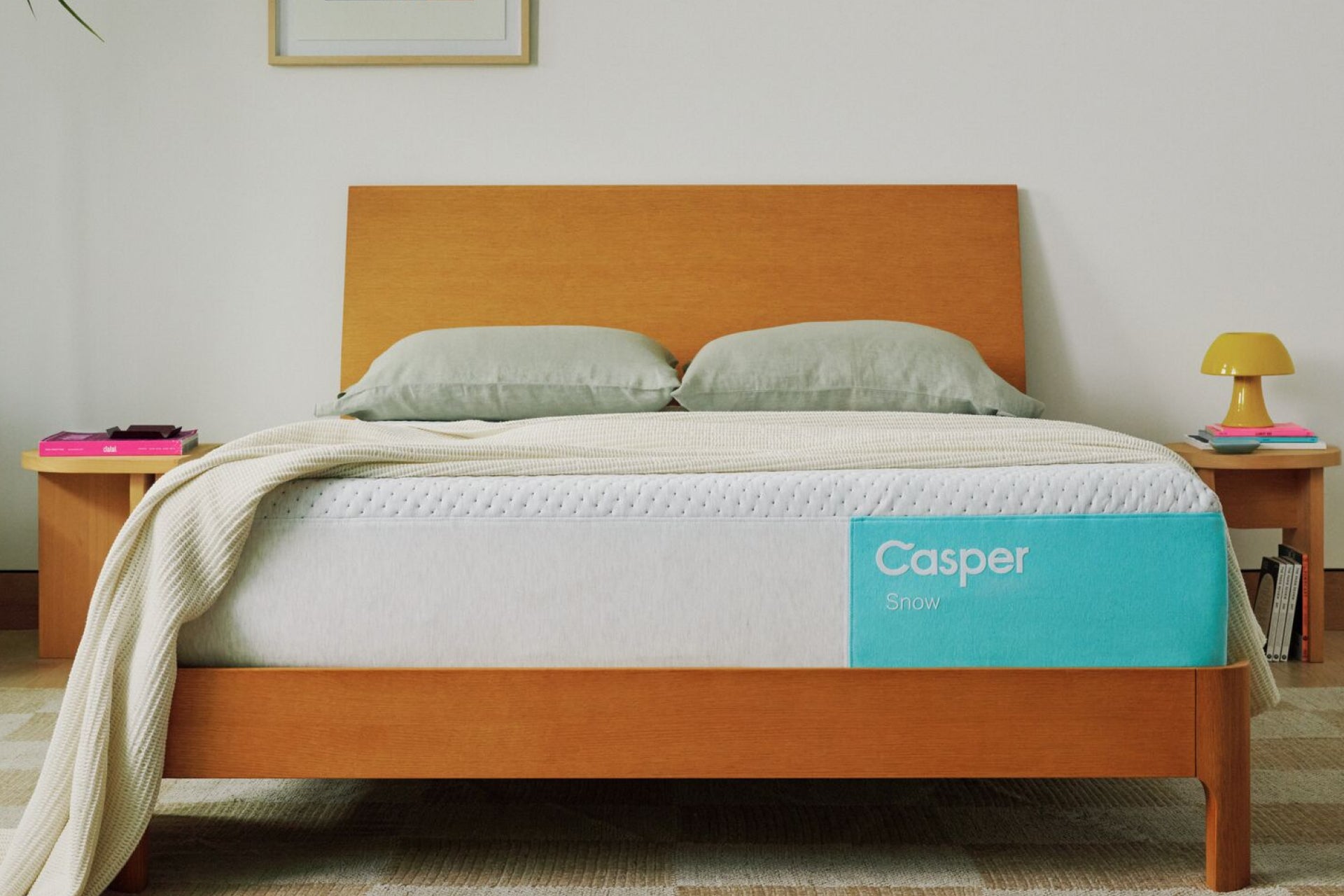
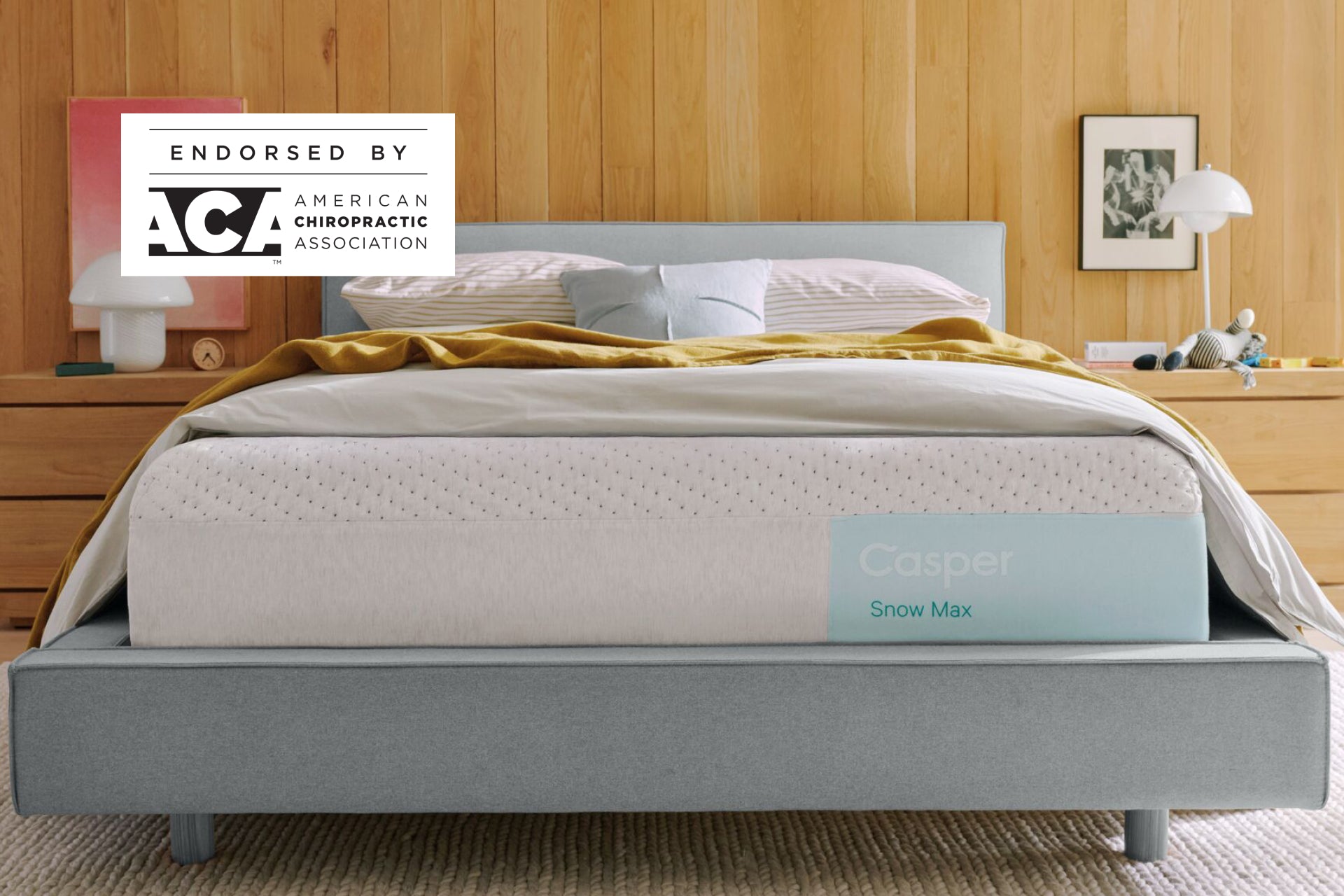
If you’re set on a memory foam mattress but are looking for cooling properties, choose one with open-cell foam or foam with Snow technology as opposed to traditional foam. Check out some of our best cooling mattresses, including the Snow or Snow Max models, for your ideal sleeping temperature.
Best option: Cooling foam mattress or Spring mattress
Movement
When it comes to motion isolation technology, a memory foam mattress is going to be the better choice. If you sleep with someone who tosses and turns each night, a memory foam mattress will help absorb that movement so you don’t feel it on your side.
Spring mattresses will likely bounce with movement, resulting in you moving whenever your partner does. In addition, the springs may make some noise as you move. Be sure to learn how to fix a squeaky bed before you buy a spring mattress.
Best option: Memory foam mattress
Support
Memory foam is made of several layers with properties that conform to the body’s natural curves, offering pressure relief to aching joints. If you need additional support, memory foam mattresses come in a range of firmness levels.
Spring mattresses offer some support as well, but their support is a lot more uneven. If you’re looking for a spring mattress that provides the most support, choose one with offset or pocket coils. That’s because continuous coil and Bonnell coil mattresses offer less support and conformity than other spring options.
Best option: Memory foam mattress or spring mattress with offset or pocket coils
Durability
While spring mattresses can last a while, the springs can sag after five to eight years of use. However, the thicker the coils, the longer the mattress will last.
Memory foam mattresses can last between 8 and 12 years with proper care. The durability of a memory foam mattress depends on the quality of materials and construction methods used by the manufacturer, so if you’re looking for longevity, opt for a high-quality option, like one from Casper.
For more information about your mattress's lifespan, refer to our guide about how long a mattress lasts.
Best option: The right mattress for you depends on your sleep preferences, budget, and quality standards—both memory foam and spring mattresses can offer excellent durability when well-made.
Pressure Relief
Memory foam is boasted for its ability to adapt to the body’s natural curves and target pressure points such as the neck, spine, and shoulders. This feature offers relief to those major pressure points and a more personalized comfort than spring mattresses.
Generally, the metal construction of spring mattresses can be less comfortable than memory foam. Bonnell coil and continuous coil spring mattresses do not offer much pressure relief. However, the individual springs of a pocketed coil mattress tend to offer the pressure relief many seek.
Best option: Memory foam mattress or spring mattress with pocket coils
Cost
Both types of mattresses have set prices for a variety of budgets. In general, spring mattresses tend to cost less than memory foam — the more expensive the material, the more expensive your mattress will be. Some sleepers may want to invest in a memory foam mattress if it means getting their comfiest sleep yet.
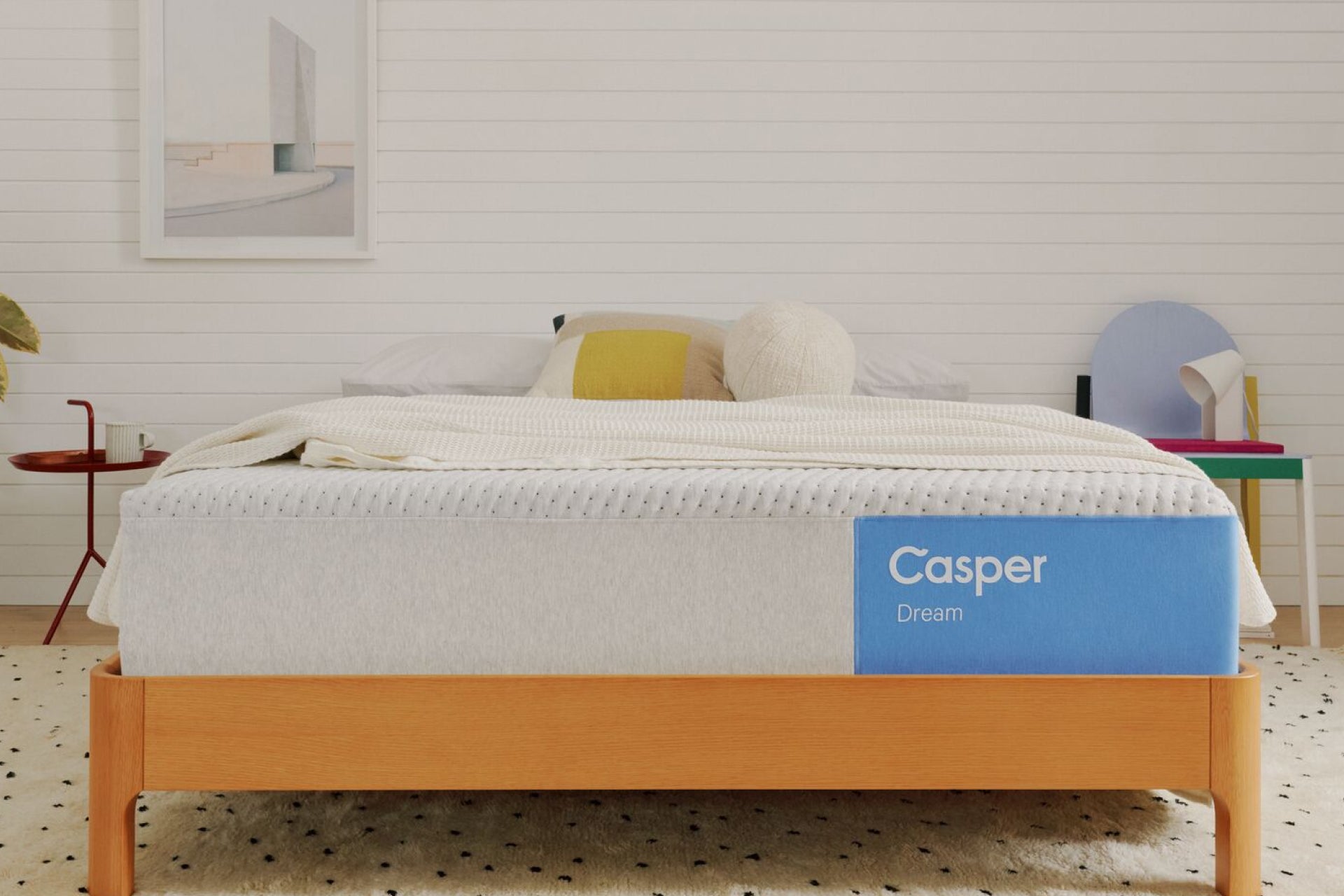
The all-foam Casper One costs $999 for a queen size. Meanwhile, the combination of springs and memory foam on the Casper Dream hybrid mattress costs $1,895 for a queen size.
Best option: A budget-friendly foam mattress or spring mattress
Sleep Position
Side sleepers tend to prefer memory foam mattresses and pocket coil spring mattresses because they need support that molds to their pressure points. Since back sleepers rest with their spine in a neutral position, they don’t need much individualized support.
Back sleepers typically would be fine with a Bonnell coil or continuous coil spring mattress. In general, picking a mattress based on your sleep position is all about what feels most comfortable for you.
Best option: Memory foam mattress, spring mattress with Bonnell or continuous coils
Back Pain
When choosing the best mattress for back pain, higher-end spring mattresses like offset coil and pocket coil are often better because they offer a solid combination of stiffness, springiness, and conformity. Bonnell coil and continuous coil spring mattresses will not offer the support and comfort many backache sufferers need.
On the other hand, research has boasted memory foam for its abilities to reduce back pain. Memory foam is known for its localized support and ability to adapt to the sleeper’s body. However, some sleepers find the feel of a memory foam mattress to be too soft, whereas spring mattresses are more reactive and springy.
Best option: Memory foam mattress, spring mattress with offset or pocket coils
Hybrid Mattresses Are a Happy Medium
Another type of bed you may want to consider is the hybrid mattress. A hybrid mattress combines an innerspring system with memory foam, latex, or gel. For sleepers stuck between a foam or spring mattress, a hybrid mattress offers the best of both worlds.
Casper’s Hybrid Mattresses
Casper offers a range of hybrid mattresses suited for a variety of sleepers. Read about some of our best hybrid options below.
Casper® Dream Hybrid Mattress
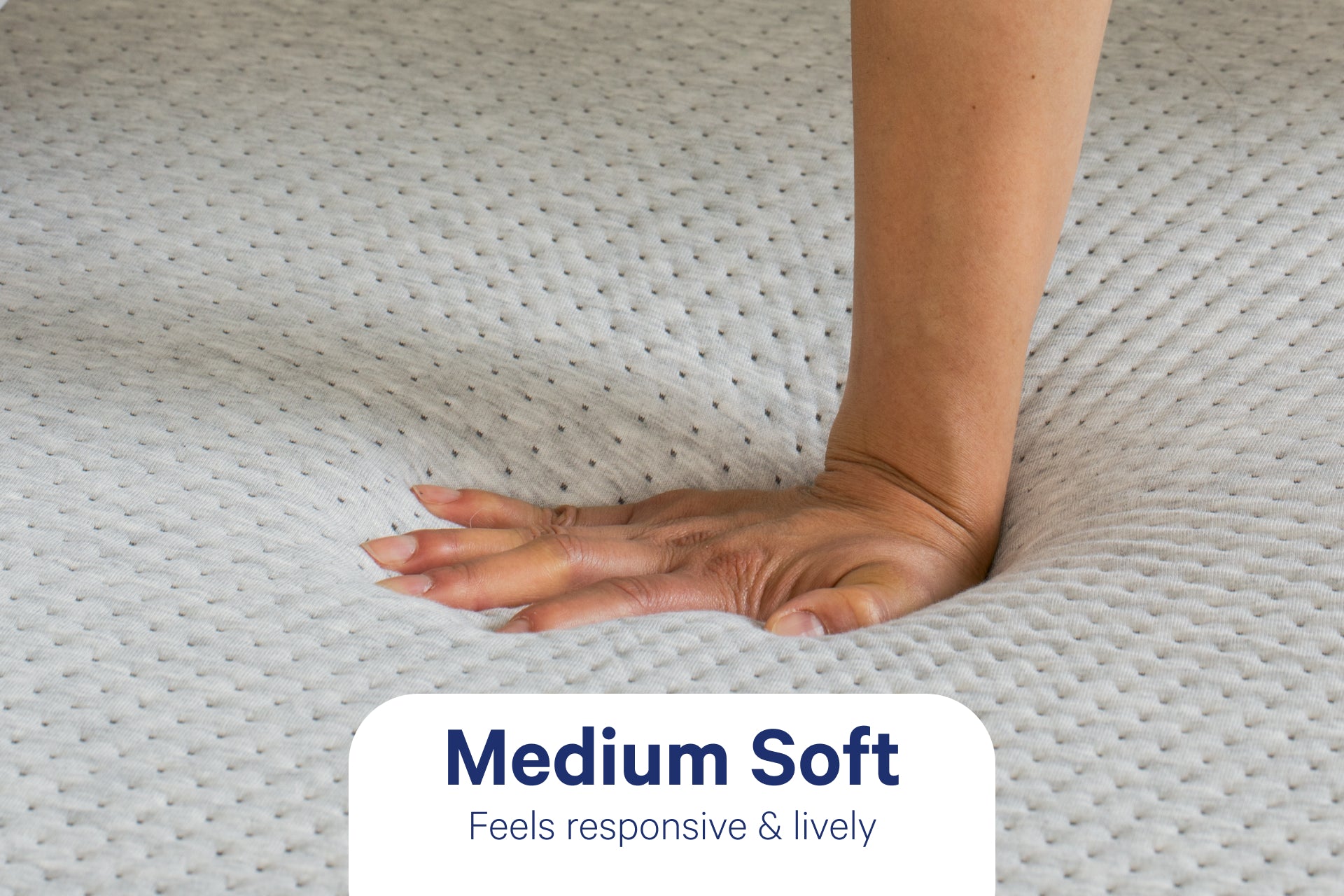
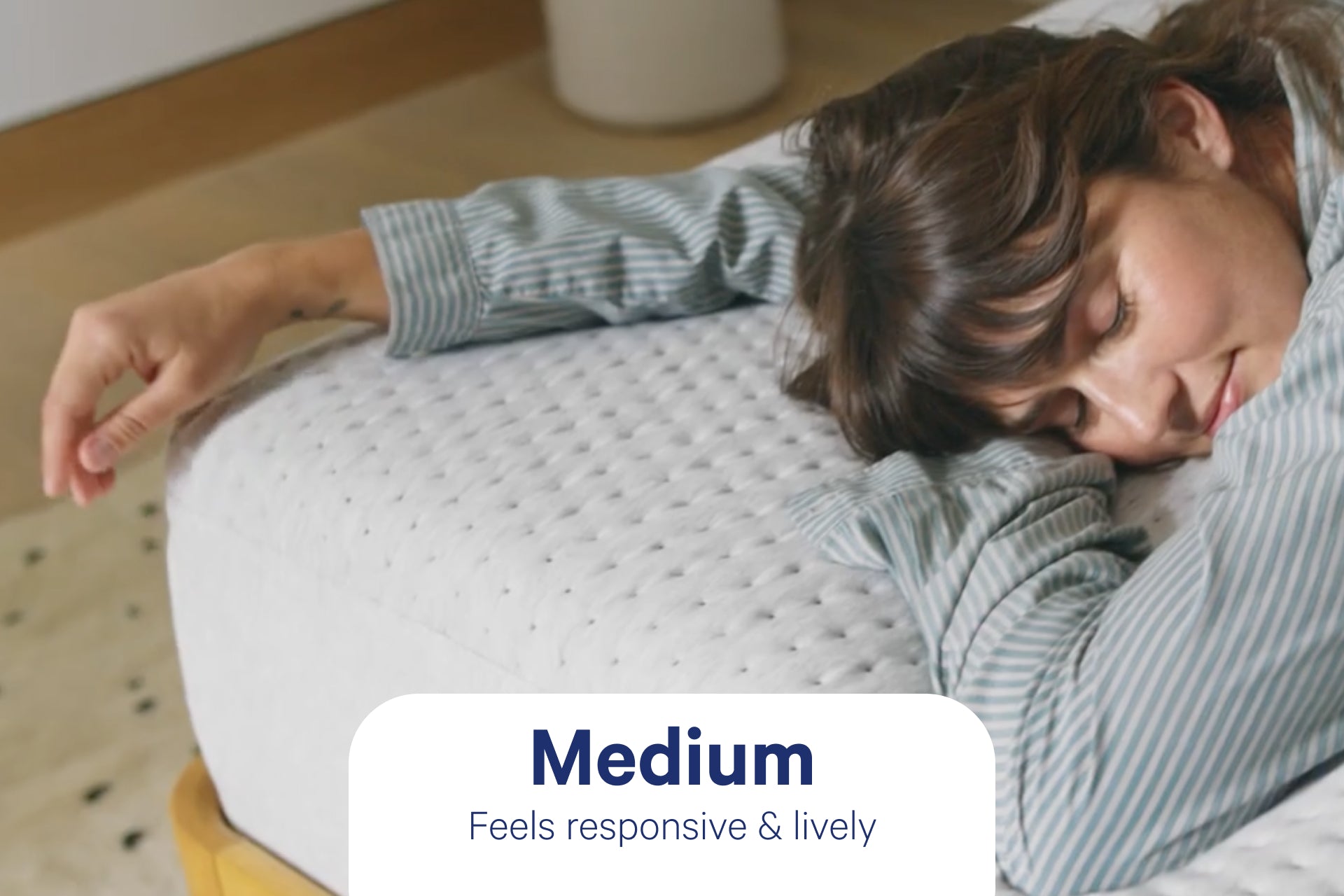
The Casper Dream Hybrid Mattress pairs breathable foams with individually wrapped coils to create a balanced, medium feel that works for many different sleepers. A responsive Breathe Flex Foam™ top layer adds just-right bounce and airflow, while Zoned Support™ uses firmer foam under your hips, waist, and lower back to help keep your spine aligned through the night. Individually pocketed Flex Coils flex with your body to reduce motion transfer and boost support, so partners are less likely to wake each other up. If you’re looking for a hybrid that stays cool and comfortable without feeling too firm or too soft, Dream is a versatile option that fits a wide range of sleep styles.
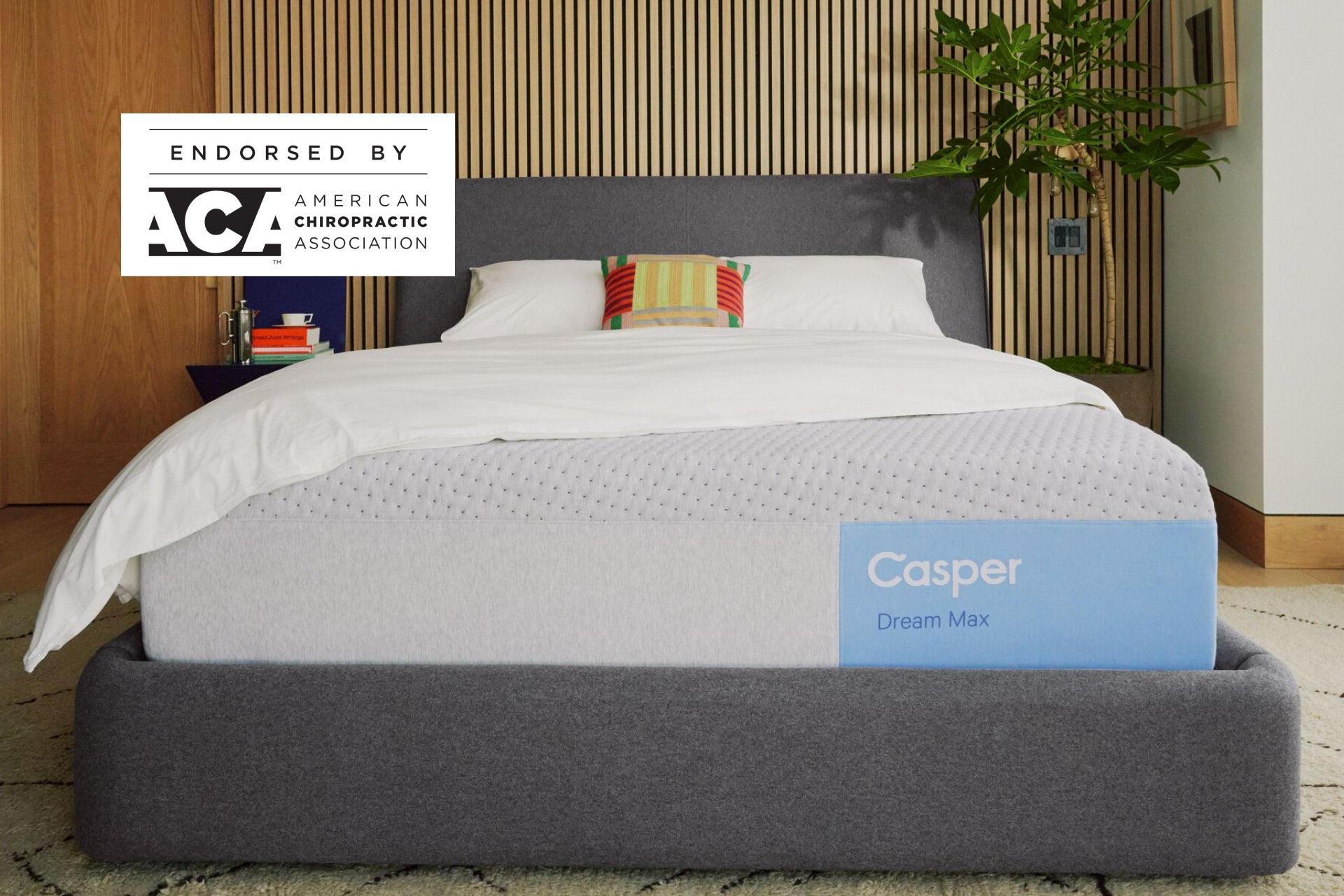
Dream Max Hybrid Mattress
The Casper Dream Max Hybrid Mattress builds on the comfort of Dream with extra cushioning and support for a plusher, more “floating” feel. Layers of breathable open-cell foams, including ultra-breathable Breathe+ Flex Foam™, contour around your shoulders and hips to help relieve pressure while still keeping you lifted and supported. Zoned Support Max™ adds firmer foam through the center of the mattress to promote healthy alignment in your hips, waist, and lower back, while a tall layer of encased coils provides durable support, motion separation, and added airflow. With its softer, more enveloping feel, Dream Max is a great pick for side sleepers and anyone who wants maximum pressure relief without sacrificing support.
FAQs
Still have lingering concerns about the foam vs. spring mattress debate? Take a look at all the answers we provided below.
Are foam mattresses good?
Foam mattresses are excellent choices for those who want moldable support, even weight distribution, and less bed movement throughout the night. The foam material cradles you with comfort while keeping your bed in place as your partner tosses and turns.
Are spring mattresses good?
Spring mattresses are great options for those who want to stay cool at night and enjoy bouncy support. They can also provide the right amount of lift for all body types and come in a range of prices for all budgets.
What’s the difference between an innerspring mattress vs. a foam mattress?
There are several differences between an innerspring vs. foam mattress. Here’s a quick breakdown of each one:
Temperature: innerspring is more cooling, while some foam mattresses can trap heat
Movement: innerspring mattresses bounce as you move, while foam stays in place
Support: innerspring mattresses offers uneven support, while foam distributes weight
Durability: foam typically lasts longer than innerspring
Pressure Relief: a foam mattress targets pressure points better than spring mattresses
Cost: innerspring and foam mattresses come in a range of price points
Sleep Position: both innerspring and foam mattresses can suit your sleep position
Back Pain: foam is great for back pain, and higher-end innerspring mattresses may provide relief
Every sleeper is different. Depending on your preferred mattress feel, sleeping position, and price point, one mattress may be better for you than another. It’s important to weigh all the differences between a foam vs. spring mattress to determine the best pick for you.
Can’t choose between a foam vs. spring mattress? Check out our hybrid mattresses for a dream combo of innerspring and foam.

