












Updated Aug 31, 2026
You can learn how to reset your circadian rhythm by optimizing your light and dark exposure, limiting your consumption of caffeine and alcohol, and creating a supportive sleep environment.
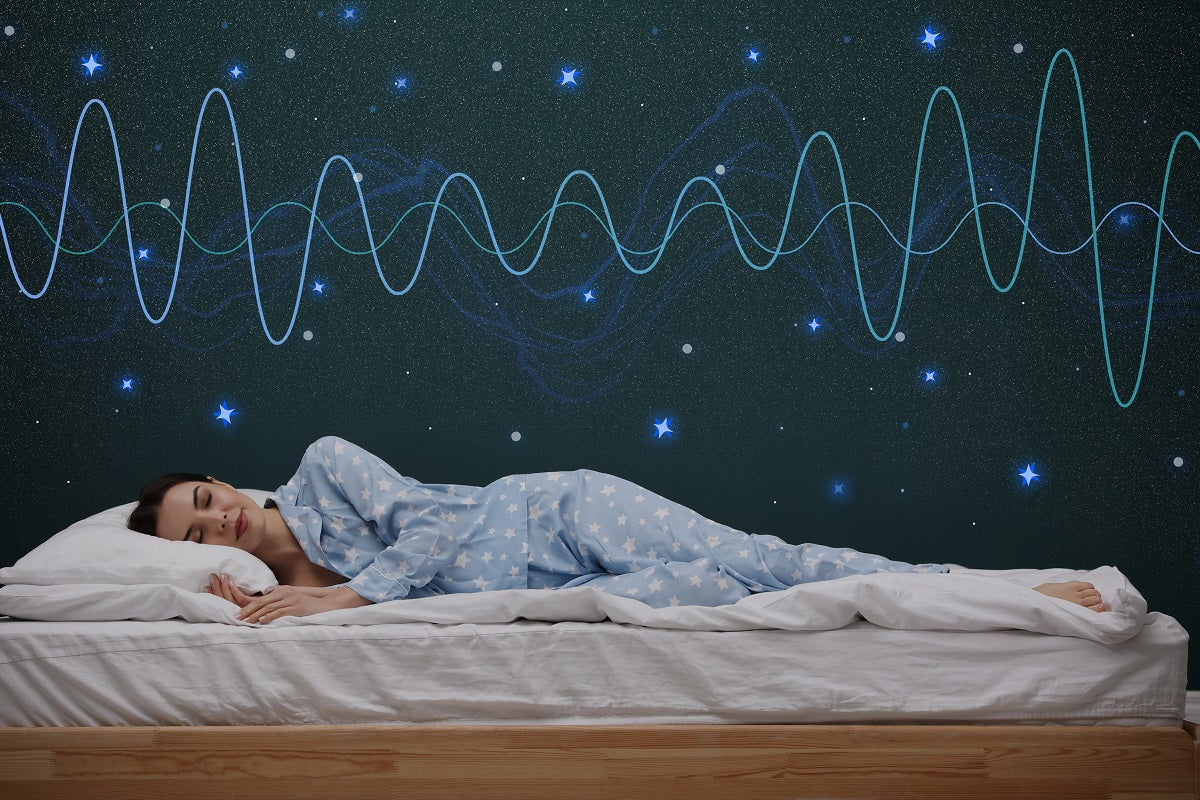
Rise with the sun, sleep with the moon: that’s your body’s natural inclination, thanks to your circadian rhythm. In the modern era of phone screens and night shifts, however, it doesn’t always happen that way.
As easy as it is to derail your circadian clock rhythm, it’s possible to get it back on track and fix your sleep schedule.
That starts with sleeping on the right mattress. We’ve got all the details right here.
What is Your Circadian Rhythm?
Also known as a sleep-wake cycle, your circadian rhythm is part of your internal clock that influences when you fall asleep and wake up naturally.1
A wide variety of factors influence your circadian rhythm, including1:
- Light and dark cycles
- Diet
- Stress
- Exercise
- Social environment
- Temperature
Your circadian rhythm is controlled by a small bundle of brain cells known as the suprachiasmatic nucleus (SCN).1
When the SCN receives sleepy signals, like low light, it alerts your body to produce the hormone melatonin, which makes you feel tired.1 And in the morning, your melatonin levels drop off, signaling that it’s time to get moving.2
The Impact of Circadian Rhythm on Your Health
Sleep is essential to resetting your body after a day of wakefulness and preparing you for the day to come. When your ability to get quality sleep is impaired by an unsynced circadian rhythm, it can cause both short- and long-term effects, such as1:
- Tiredness, clumsiness, and inattention
- Obesity and diabetes
- Mental health conditions
- Poor heart health and high blood pressure
Like all homeostatic systems, the purpose of your circadian rhythm is to create balance. And if that balance is disrupted, the effects can reverberate throughout your body and your busy schedule.
Signs Your Circadian Rhythm Is Off
There are a number of situations that can throw off your circadian rhythm. Some, like jet lag, are temporary issues, while others can overstay their welcome.3
To discern whether you may have a circadian rhythm disorder, look for these common symptoms3:
- Difficulty falling asleep at night
- Feeling tired during the day
- Very late sleep and wake times or very early sleep and wake times
- Experiencing short and unsatisfying periods of rest and wakefulness
- Gradual delays in sleep times
Circadian rhythm disorders are disruptive, but they aren’t permanent. With a few simple lifestyle changes, you can sleep and wake up the way nature intends you to.
How to Fix Your Circadian Rhythm in 5 Steps
Take back control of your natural sleep schedule by following these bedtime (and daytime) tips on how to fix your circadian rhythm.
1. Gradually Adjust Your Sleep Schedule
Your body can adapt better to small changes over a prolonged period of time rather than a sudden, dramatic one.
Before you quit sleeping-in cold turkey, try this gradual sleep adjustment strategy:
- Set your desired sleep and/or wake time goal
- Shift your sleep schedule by 15-minute intervals each night until you reach your goal
- If you experience a setback, don’t fret; begin again from where you currently are
2. Maximize Light Exposure During the Day
Your circadian rhythm is heavily influenced by bright light because your SCN is wired directly to your retinas.4 So, the more light your eyes absorb, the more awake you’ll feel. If you struggle to keep your eyes open during the day, you may need to brighten up your environment.
Here’s how you can get a little more face time with the sun during the day:
- Keep your window blinds open to let in natural sunlight in the morning
- Sit outside during meals or downtime
- Take outdoor walks
If you live somewhere that doesn’t get much sun or you’re suffering from jet lag (learn more about sleep and travel), you can expose yourself to artificial light that mimics the sun’s rays. Bright, cold-toned light is best.4
3. Minimize Light Exposure in the Evening
Before lightbulbs and electronic screens, it got dark after sunset. Now, though, it can be daytime 24/7. While you know that electric light isn’t natural, your body is programmed to think it’s the real deal—and that can wreak havoc on your circadian rhythm and sleep-wake cycle.
Blue light is particularly disruptive to your sleep quality because it mimics natural sunlight.5
When you look at blue light sources, like cell phones, TVs, and computers, you’re essentially tricking your body into believing it’s daytime, therefore, wake time.
To signal to your brain that it’s time to drift off to dreamland, implement these light-reducing strategies into your bedtime routine:
- Stop using blue light-emitting devices a few hours before bedtime
- Use dimmer, warmer lighting at night
4. Adjust Meal and Exercise Times
While your central internal clock (the SCN) lives in your brain, you have lots of peripheral clocks in your other organs, most notably in your musculoskeletal system.6 These clocks receive signals based on when you eat and when you’re active; they regulate internal systems like your metabolism and energy use, which in turn affects sleep.6
One study found that late-night eating reduces the length of the restorative stage of sleep known as rapid eye movement (REM), which can leave you feeling tired the next day.7 And exercise raises your body temperature and endorphin levels, which keep you awake.8
To optimize the effects of your exercise and diet — and regulate your sleep-wake times — try to:
- Exercise earlier in the day
- Avoid late-night workouts (at least one to two hours before bed)8
- Avoid big dinners and late-night eating (if you can’t, check out these healthy late-night snack options)
5. Limit Caffeine and Alcohol Intake
Caffeine and alcohol produce opposite effects. Caffeine keeps you alert, while alcohol sedates you. One thing they do have in common: they both have the power to disrupt your sleep cycle.
Caffeine has a long half-life of five to seven hours, so it continues to influence you even after its stimulating effects wear off, including during sleep.9 Both caffeine and alcohol suppress REM sleep, leaving you tired even after you just woke up.9
Here are the recommended cut-off times for each drink9:
- Caffeine – Stop drinking about eight hours before bed
- Alcohol – Stop drinking about three hours before bed
Tools and Techniques to Help Reset Your Circadian Rhythm
External aids for healthy habit-forming aren’t something to sleep on. To more effectively reset your circadian rhythm, you can:
- Use light therapy – If natural light exposure isn’t enough to reset your rhythm, try products like sun lamps and smart light bulbs. Sun lamps produce bright sunshine-like light which lowers melatonin levels and boosts alertness.10 Smart bulbs shift in intensity and tone to mimic the natural shift in light throughout the day, keeping your circadian rhythm intact.11 Check out our Glow Light, designed to help you wind down naturally and lull you to sleep.
- Consider melatonin supplements – You can take melatonin supplements before bed to increase drowsiness and help you fall asleep fast. People with delayed sleep-wake phase disorder (DSWPD) and non-24-hour sleep-wake disorder may benefit from melatonin supplements.2 Speak with your doctor to learn if this treatment is right for you.
- Leverage technology and apps – When you’re asleep, it’s difficult to collect accurate information on your sleep quality without any help. Wearable smart devices and sleep tracking apps can analyze your sleep movements, changes in heart rate, and more to help you more efficiently adjust and reset your circadian rhythm.
- Record a sleep diary – Not every reset tool needs a battery. A sleep diary is a low-tech way to track patterns your memory might miss, like what time you actually fell asleep, how many times you woke up, and how rested you felt in the morning. Jot down a few notes each day, and over time, you'll start to see what's helping your circadian rhythm and what's holding it back.
- Optimize your bedroom setup – Achieving healthy sleep hygiene requires creating a supportive environment for sleep. There are easy changes you can make to your bedroom for the most consistent sleep possible. Limit noises and other auditory distractions as best as you can. If you live in a populated area, use blinds to block out artificial street lights. If you’re a hot sleeper, Kkeep your room temperature cool and follow other tips on how to stay cool at night.
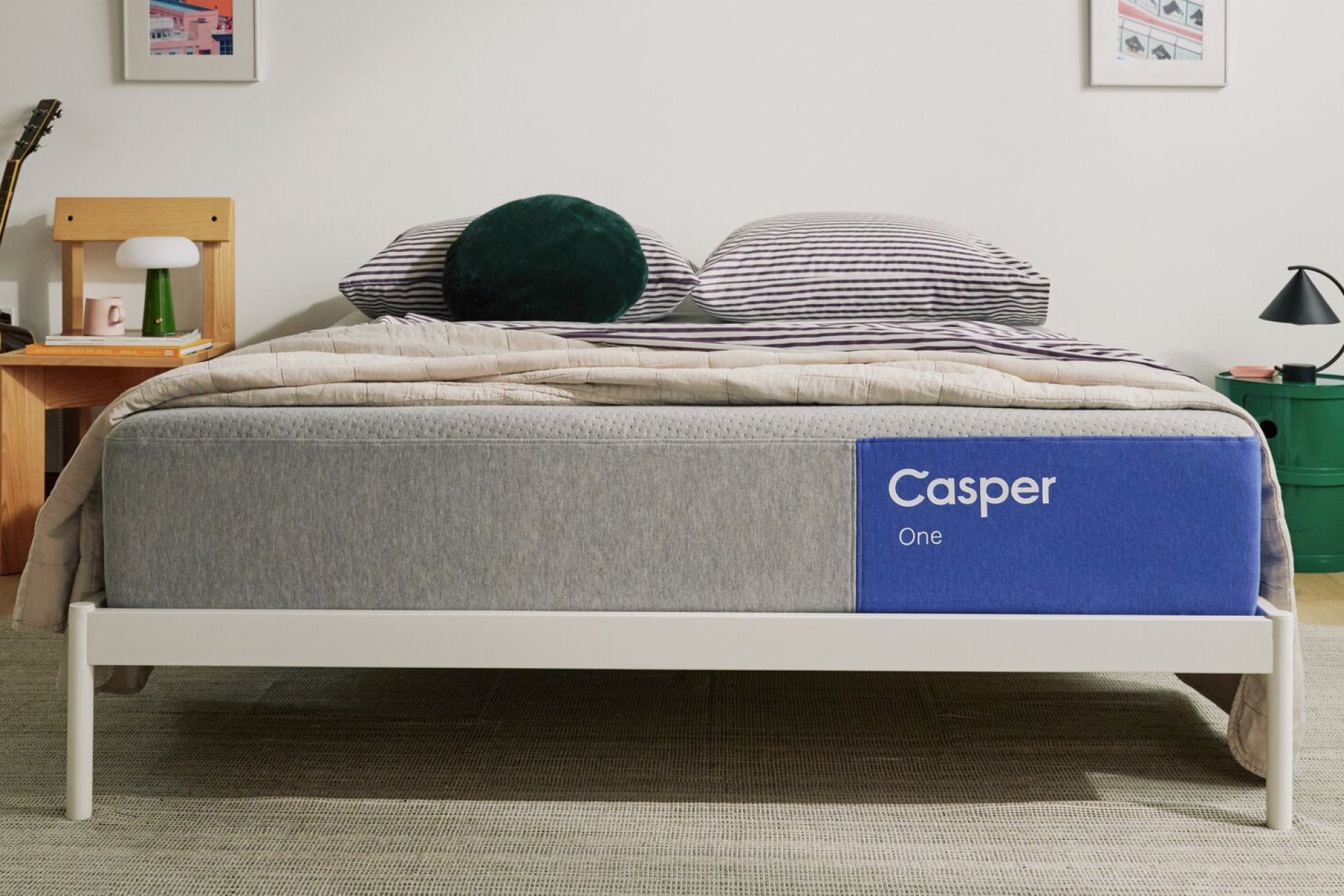
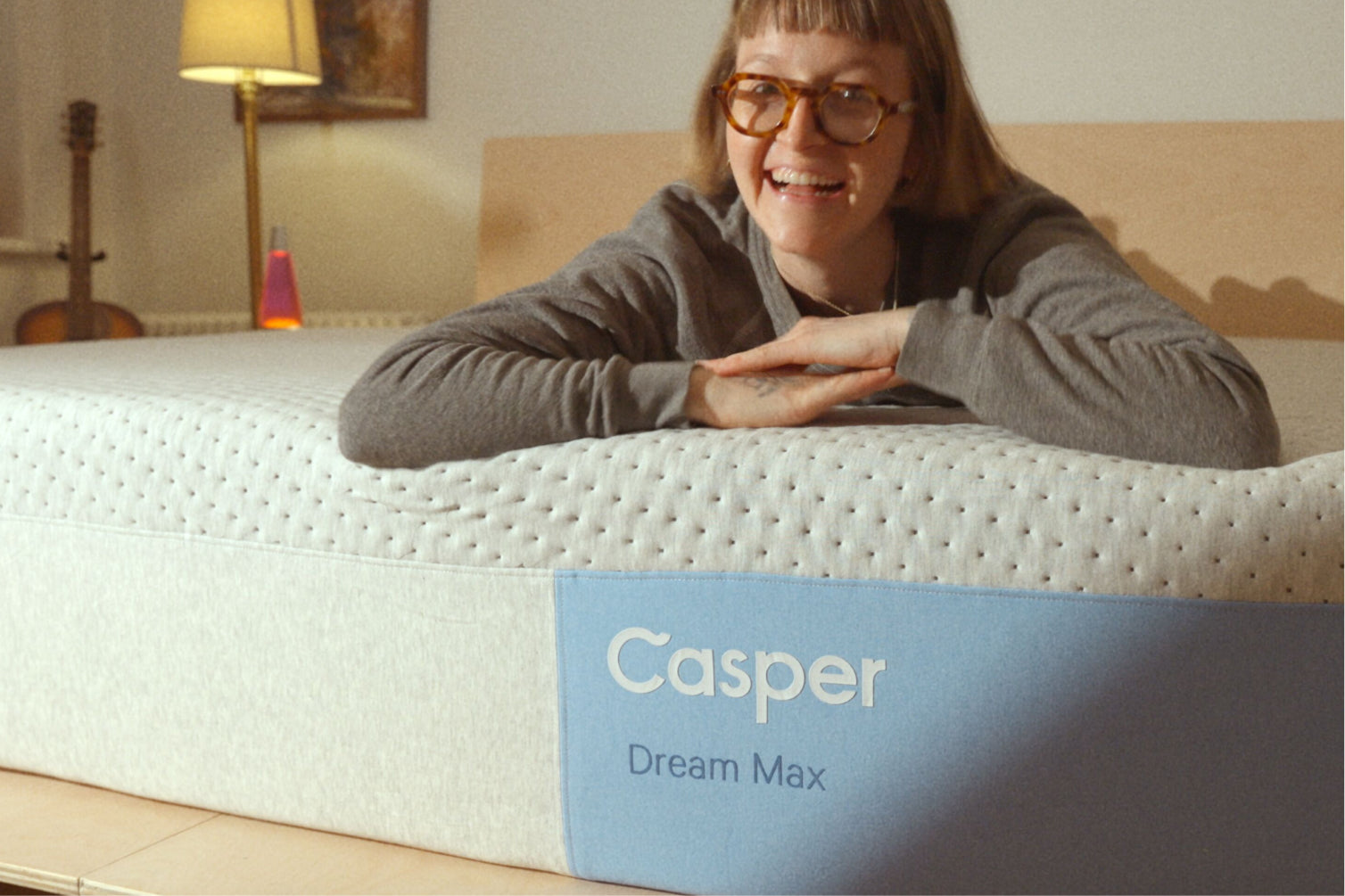
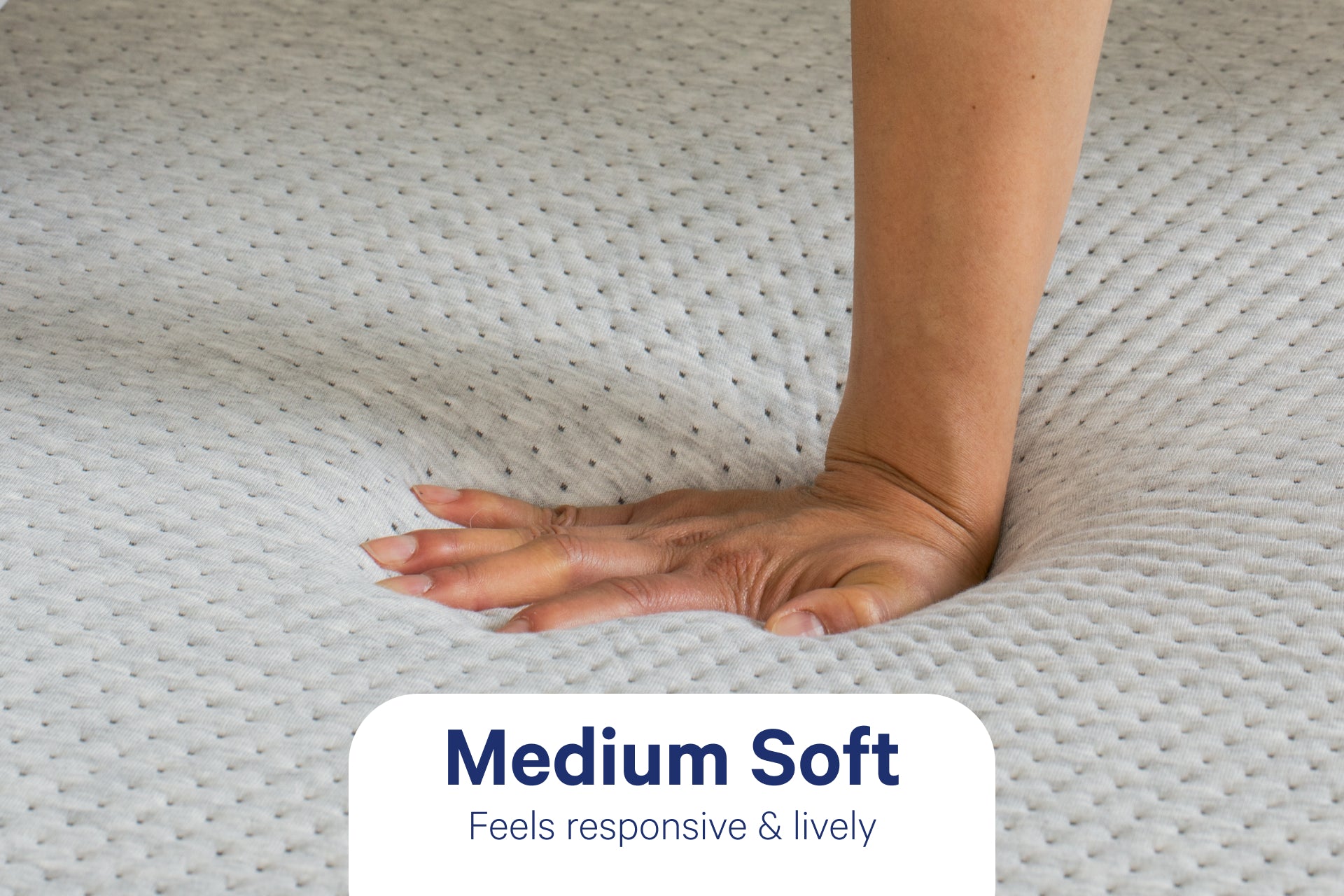
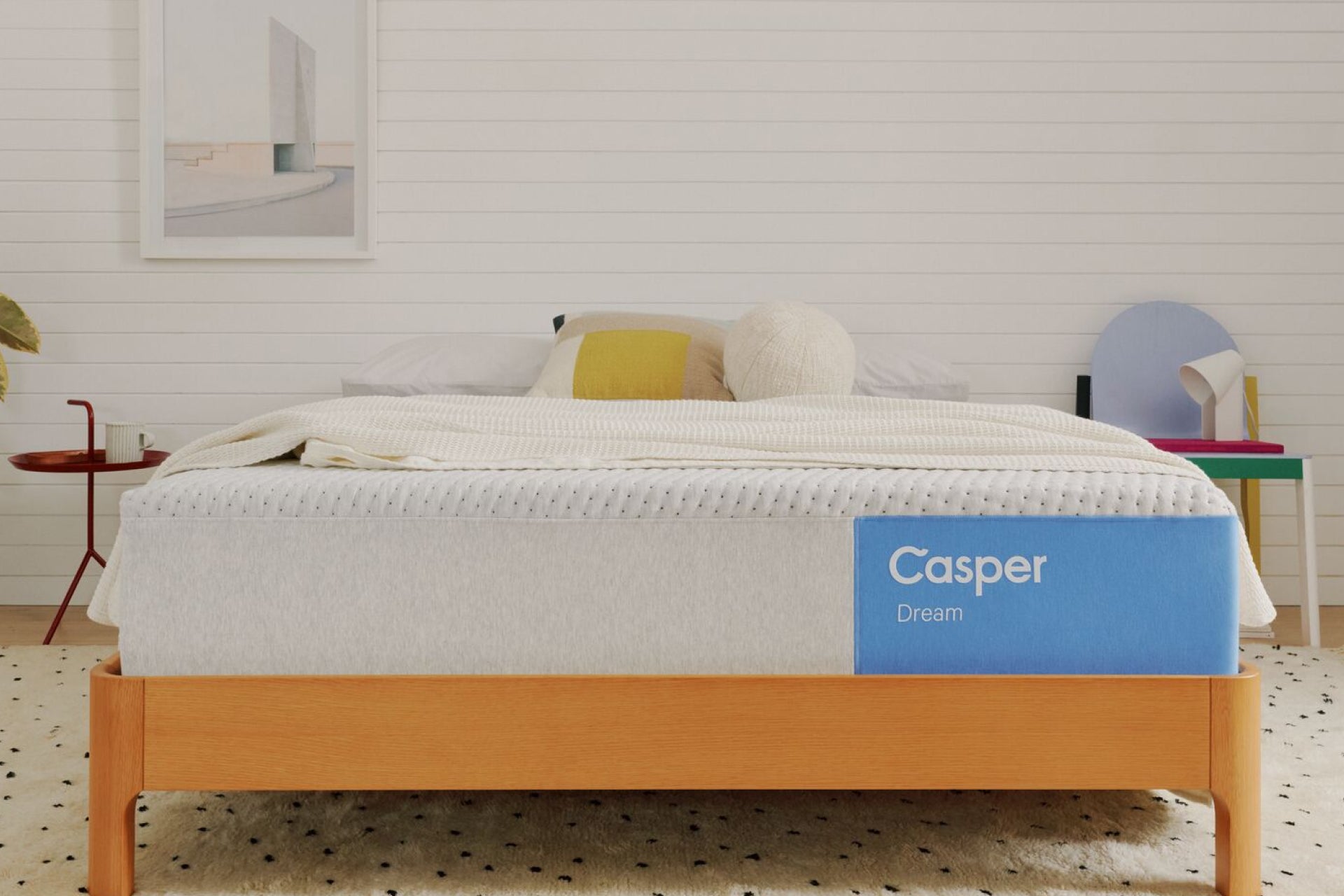
- Choose a comfortable mattress – To transform your bedroom into an ideal sleep environment, the most important step is to evaluate your mattress. Experts recommend that you replace your mattress every seven to ten years,12 but if your current mattress is keeping you up at night, it’s probably time for an upgrade. A quality mattress should be supportive, comfortable, and cool. Casper mattresses not only meet these goals but exceed them. With a Casper mattress, you’ll be in bed like clockwork.
Maintaining Your New Circadian Rhythm
Once the balance is restored, it takes a bit of intentionality to keep it there. Here’s what you can do to maintain a healthy circadian rhythm and sleep better for every night to come.
How Casper Mattresses Support Healthy Sleep Patterns
Once you’ve made positive sleep hygiene into a habit, it’ll take more than a time zone switch or a closing shift to disrupt your circadian rhythm.
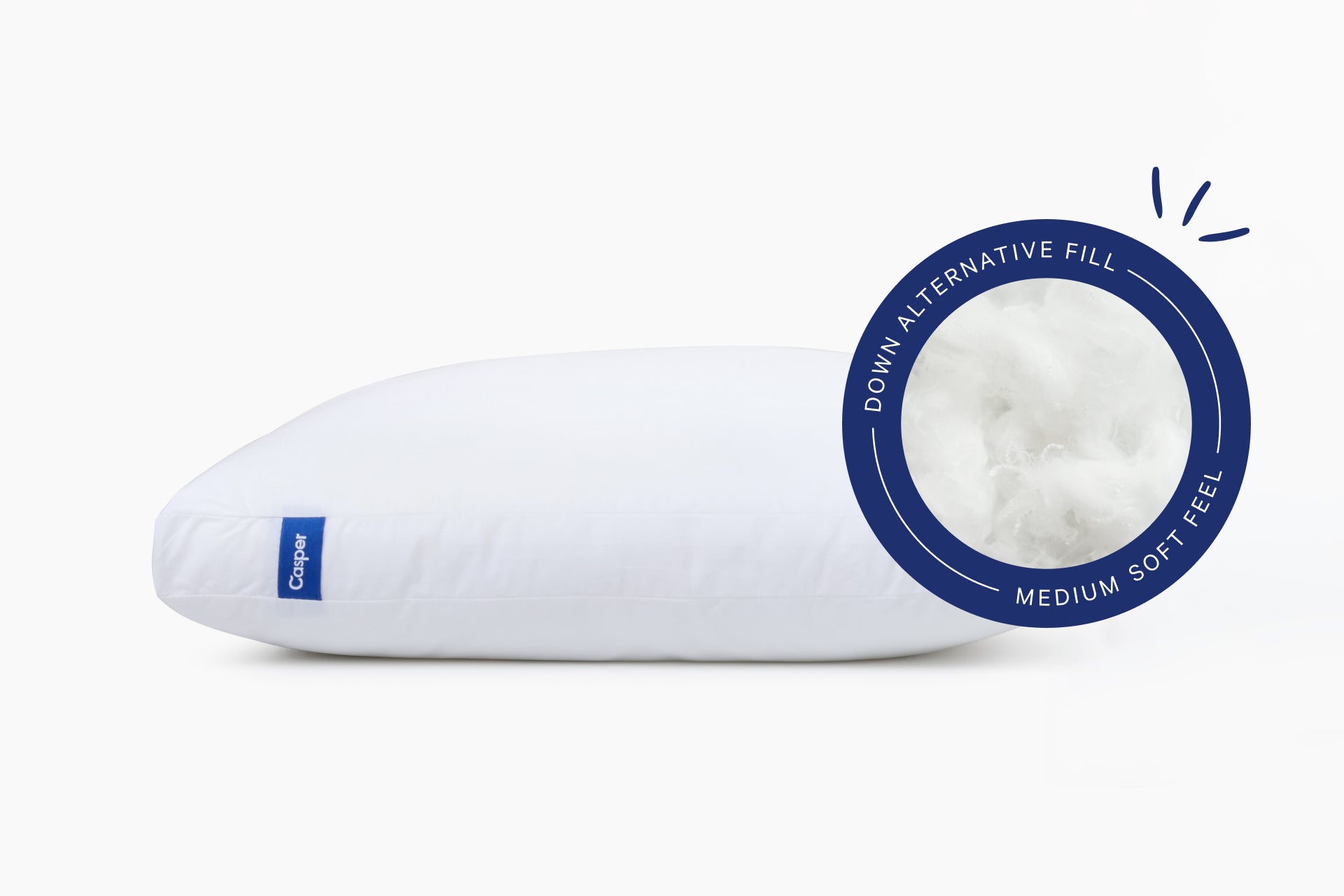
Kick off your sleep reset with a new mattress from Casper. Each of our models has something special to offer, from Zoned Support™, to Breathe Flex Foam, to advanced Snow Technology. No matter which mattress, bed sheets, or pillow you choose, you’ll sleep more soundly, guaranteed.
Compare our models online or visit one of our in-person Sleep Shops today.
FAQs
What is the fastest way to reset a circadian rhythm?
The fastest way to reset your circadian rhythm is to control your light exposure. Get bright light first thing in the morning and dim the lights (especially blue light from screens) a few hours before bed. Pair that with a consistent sleep and wake time, even on weekends, and your internal clock will sync up faster than you'd expect.
How can you mess up your circadian rhythm?
Late-night screen time, irregular sleep and wake times, caffeine too close to bedtime, and jet lag are some of the biggest culprits. Even small changes, like sleeping in on weekends or eating a big meal right before bed, can throw your circadian system out of sync.
Can I reset my circadian rhythm by staying up all night?
No. Pulling an all-nighter might make you feel sleepy at the "right" time the next day, but it doesn't fix the underlying issue. It just adds sleep deprivation to the mix. A gradual approach, shifting your bedtime by 15-minute intervals, is a far more effective and sustainable way to get back on track.
What happens when you ignore your circadian rhythm?
Ignoring your circadian rhythm doesn't just leave you tired. Over time, a disrupted sleep-wake cycle has been linked to poor heart health, weight gain, and trouble focusing.1 Your body relies on that internal rhythm for a lot more than just sleep.
How long does it take to fully reset your circadian rhythm?
It typically takes about one day per time zone crossed, or roughly one week for smaller schedule shifts. Consistency is key: the more you reinforce your new sleep and wake times, the faster your body clock will adjust and stay that way.
Sources:
- National Institute of General Medical Sciences. Circadian Rhythms. https://www.nigms.nih.gov/education/fact-sheets/Pages/circadian-rhythms.aspx
- Cleveland Clinic. Melatonin. https://my.clevelandclinic.org/health/articles/23411-melatonin
- National Heart, Lung, and Blood Institute. Circadian Rhythm Disorders: Types. https://www.nhlbi.nih.gov/health/circadian-rhythm-disorders/types
- Cleveland Clinic. Circadian Rhythm Sleep Disorders. https://my.clevelandclinic.org/health/diseases/12115-circadian-rhythm-disorders
- Zenni optical. Blue Light and Sleep: Making the Connection for Better Rest. https://www.zennioptical.com/blog/blue-light-and-sleep-making-the-connection-for-better-rest/
- National Library of Medicine. Effect of Circadian Rhythm Disturbance on the Human Musculoskeletal System and the Importance of Nutritional Strategies. https://www.ncbi.nlm.nih.gov/pmc/articles/PMC9920183/
- National Library of Medicine. Relationship between Food Intake and Sleep Pattern in Healthy Individuals. https://www.ncbi.nlm.nih.gov/pmc/articles/PMC3227713/Johns Hopkins Medicine. Exercising for Better Sleep.
- https://www.hopkinsmedicine.org/health/wellness-and-prevention/exercising-for-better-sleep
- CNET. 3 Drinks You Should Avoid Before Bed. https://www.cnet.com/health/sleep/3-drinks-you-should-avoid-before-bed/
- Cleveland Clinic. Will a SAD Sun Lamp Actually Make You Happy? https://health.clevelandclinic.org/are-sun-lamps-best-to-improve-your-winter-mood
- Consumer Reports. How to Use Smart Bulbs for Better Sleep. https://www.consumerreports.org/home-garden/lightbulbs/how-to-use-smart-bulbs-for-better-sleep-a9784338704/
- TIME. How Often Should You Replace Your Mattress? https://time.com/shopping/article/how-often-should-you-replace-your-mattress/


