










Updated Jan 19, 2026
If you’re experiencing neck pain from sleeping, you’re not alone. About 10%-20% of adults experience some form of it.1 Neck pain can also become more common as you — and your spine — age.2
In some cases, you may develop a sore neck from your type of sleep position. Your sleeping position can put stress on your neck muscles, or can be caused from sleeping on unsupportive bedding. Alternatively, a sore neck may be caused by poor posture during the day or not stretching your neck frequently enough. So, depending on the cause, you could prevent your neck pain by stretching, changing your sleeping posture, or switching to more supportive bedding.3
Understanding what typically causes these aches can help you learn how to relieve neck pain from sleeping.
What Causes Neck Pain After Sleeping
No one wants to wake up feeling sore from a stiff neck. But if your neck pain feels genuinely debilitating, you should talk to your doctor as soon as possible because there could be a more serious cause than your posture or sleep hygiene.4
Here are some of the most common causes of mild to moderate neck pain3:
- Poor posture during the day leads to stiff or sore neck muscles, which can become a more painful overnight
- Sleep positions that put stress on your spine or neck muscles
- Bedding that doesn’t offer proper support and encourages sleeping positions that put stress on your neck muscles
It’s also possible that a few different factors could be combined to cause your neck pain. We’ll break down solutions for each potential cause, so you can try the combination of solutions that makes the most sense for your body.
How to Alleviate Neck Pain in the Morning
It’s always better to prevent neck pain in the first place. But sometimes you wake up experiencing it and need to know how to get rid of neck pain from sleeping wrong as quickly as possible.
In this scenario, you may want to try taking pain medication like ibuprofen, along with some gentle stretching.3 (Of course, if stretching causes pain, it’s normally best to stop immediately and consult your doctor.)
Here are some gentle stretches you can try to help loosen your neck muscles when you wake up with neck pain:
- Shoulder roll – Gently roll your shoulders up and backward six times. Then reverse and roll your shoulders forward six times.4
- Squeeze your shoulder blades together – Try squeezing your shoulder blades together ten times in a row.3
- Slow head shake motion – With your back straight and your chin level, gently turn your head to the right as if shaking your head. Hold the position for 30 seconds, then slowly turn your head to the other side to complete the head shake motion. Again, hold the stretch for 30 seconds. You can repeat this stretch up to ten times in a row to help loosen your neck muscles.4
- Slow nodding motion – Start with your back straight and your chin level, looking straight ahead. Slowly lower your chin toward your chest, holding the position for 30 seconds. Then slowly look up to the ceiling, this time holding the position for only ten seconds. For best results and pain relief, try to repeat this stretch a few times every day.4
- Push your neck back into your hand – Try placing your hand at the back of your neck, and then gently press your neck into your hand for about 30 seconds.3
- Slow ear-to-shoulder motion – Start with your back straight and your chin level, and facing forward. Gently tilt your head, moving your right ear toward your right shoulder. Repeat the stretch on the left side. , go back and forth until you’ve done ten sets.3
While stretching in the morning can help ease neck pain at the moment, gently stretching your neck before bed could help prevent neck pain in the first place.3 Yoga for sleep is a great option to loosen your muscles before bed and help you relax, too. Consider incorporating these stretches, into both your bedtime and morning routines to help keep your neck muscles relaxed and pain-free.

The Best Sleeping Positions to Avoid Neck Pain
Some sleeping positions can put undue stress on your spine, leading to stiff neck muscles. For example, stomach sleepers that have their head twisted to the side can lead to a sore neck.5
Experts recommend trying to use one or both of these sleep positions to help prevent neck pain5:
- Sleep on your side – Sleeping on your side with your spine properly aligned can help increase the odds of waking up without stiffness in your neck.
- Sleep on your back – Sleeping on your back can also help you keep your spine properly aligned throughout the night.
It may feel weird to change your sleep position at first, but it will become more natural over time. And if a new sleeping position could help you wake up refreshed and pain-free, we think it’s worth a try.
How to Level Up Your Bedding to Improve Neck Pain
Overly soft mattresses or pillows that raise the angle of your head too high can contribute to neck pain because it can lead you to sleep in a position that puts stress on your spine.5 Swapping out your mattress and pillow for more support options can help your neck stay properly positioned as you sleep — leading to happy, relaxed muscles when you wake up each morning.
Choose a More Supportive Mattress
Trying a firmer mattress could provide more support and help reduce your neck pain.3 If you want to find out if a firmer mattress could make your neck more comfortable, try placing your current mattress directly on the ground and sleeping on it.6 If it improves your neck pain even a small amount, it’s probably worth making the switch to a genuinely supportive mattress. After all, you can’t sleep on the ground forever.
At the same time, you want a mattress that’s comfortable enough to provide you with a deep night’s rest. One survey found that among people with back pain, those who slept on very hard mattresses had the worst sleep quality.6
For maximum support paired with maximum comfort, we recommend the Casper Dream Max Hybrid Mattress.
Available in sizes twin XL through California King (plus split king), the Dream Max:
- Supports alignment – Zoned Support™ Max combines firmer foam through the center of the mattress with precisely cut channels to cradle your waist and lower back and help keep your spine aligned as you sleep.
- Stays effective for years – Ultra-breathable foams, a durable base, and individually pocketed Flex Coils are engineered to resist sagging and provide long-lasting support, backed by a 10-year limited warranty.
- Includes a test period – A 100-night risk-free trial lets you see whether this mattress’s targeted support and pressure relief can help ease neck and shoulder discomfort.
- Feels soothingly soft – Plush layers of Breathe+ Flex Foam™ and Align+ Flex Foam gently cushion hips and shoulders for a “gooey yet supportive” feel that can help you relax and drift off faster.
- Helps you stay cooler – Breathe+ Flex Foam is designed to be more breathable than standard foam, maximizing airflow so excess heat can escape instead of building up around you.
If you tend to sleep extra hot, you might also consider the Casper Snow Max Hybrid Mattress. Snow Max builds on the ergonomic support of Dream Max with Snow Technology—Phase Change Material, a cool-to-the-touch QuickCool™ Cover, and six HeatDelete® Bands that draw heat away from your body to help you sleep even cooler all night long.
Try a Better Pillow
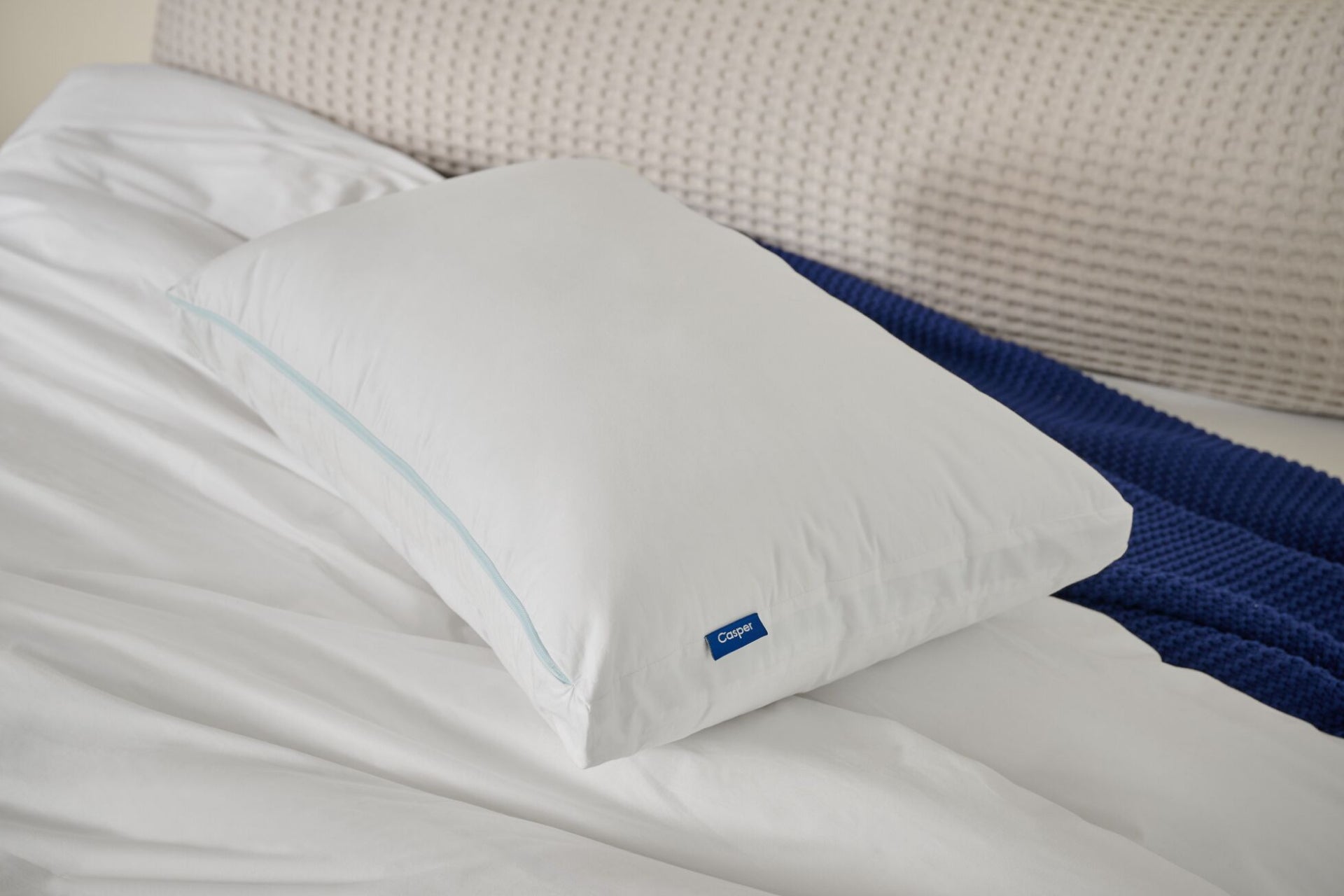
Choosing a supportive pillow designed to help keep your spine aligned as you sleep can also help prevent neck pain.3 And while we’re always fans of upgrading to the mattress of your dreams, trying a new pillow can often prove a simpler option to start with.
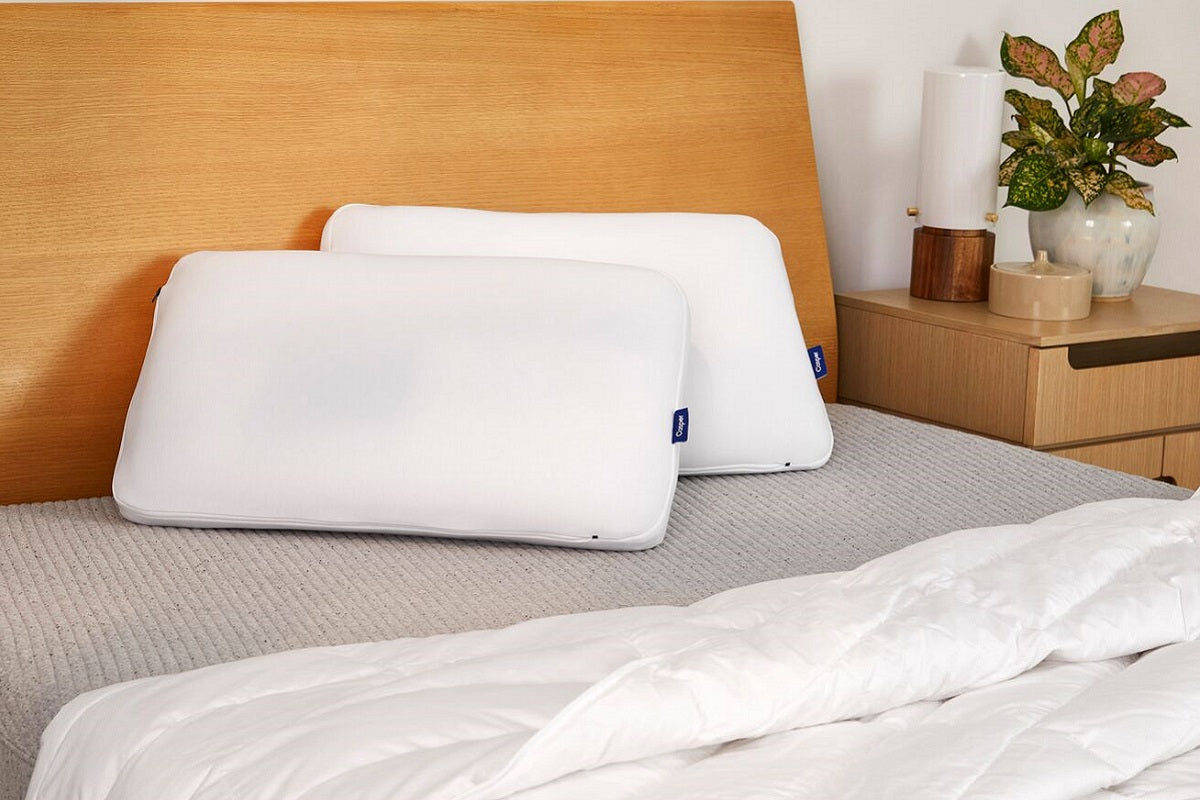
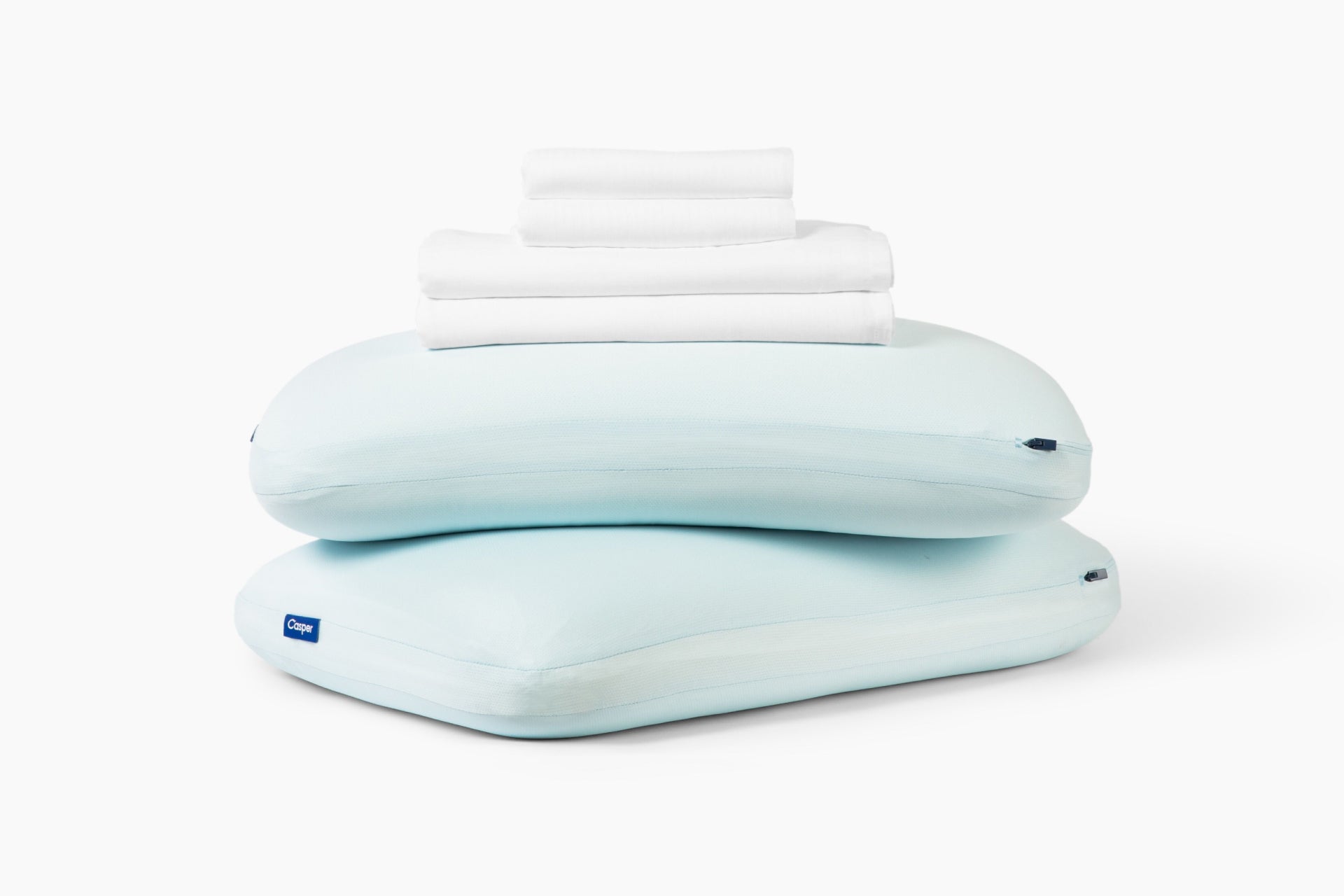
Depending on your body’s specific needs, we typically recommend either the Hybrid Pillow or the Backrest Pillow.
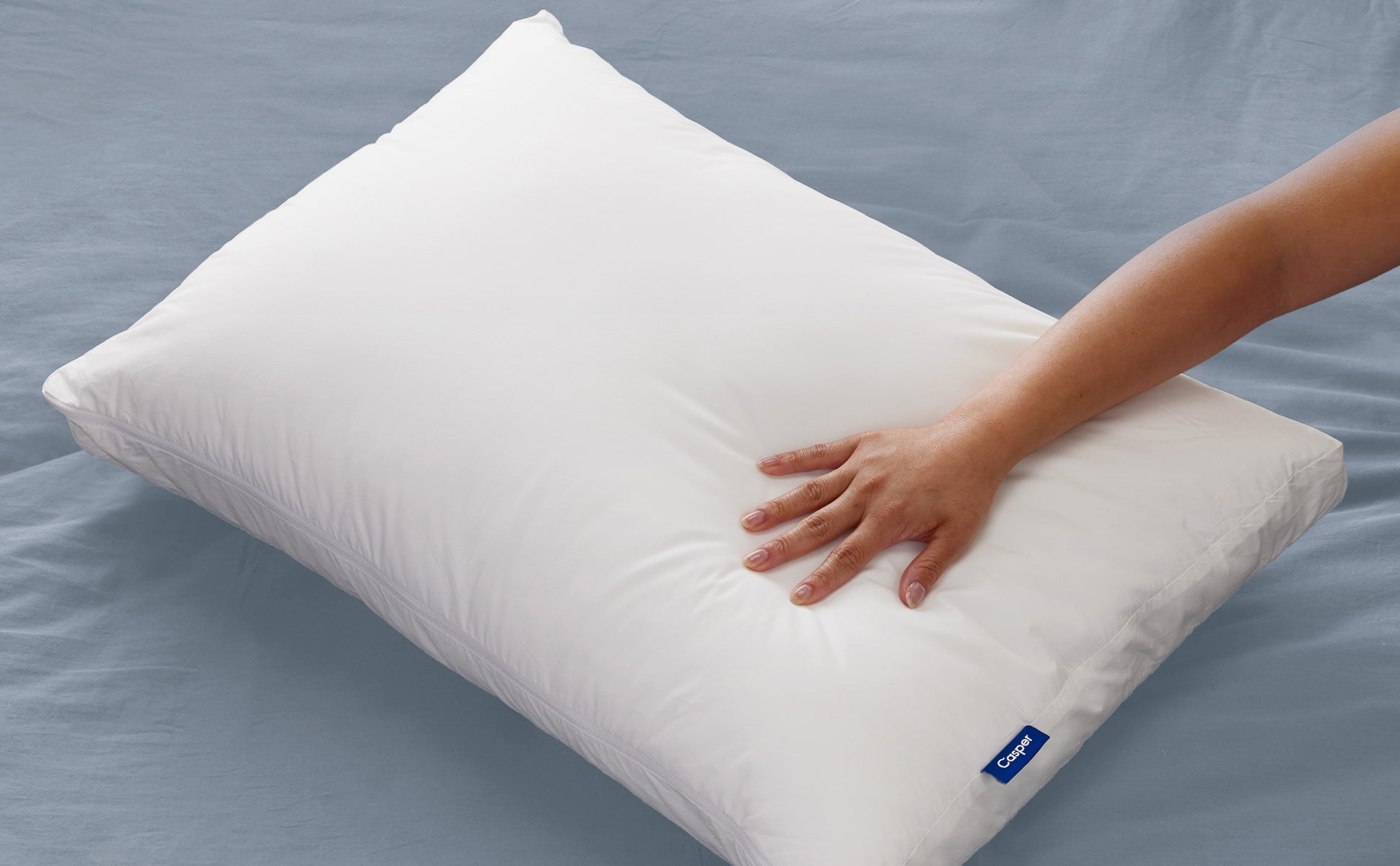
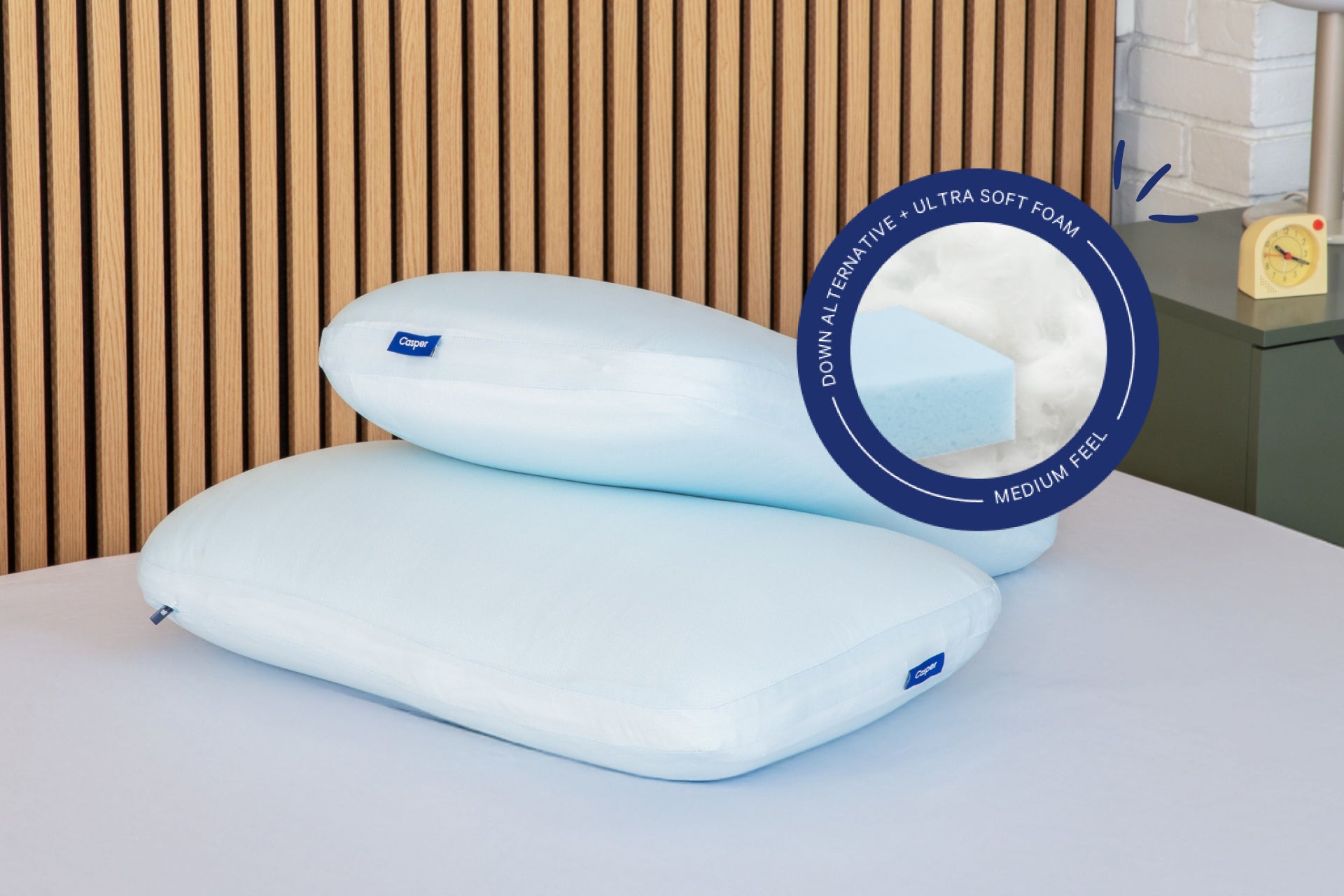
Here’s why we love the Hybrid Pillow:
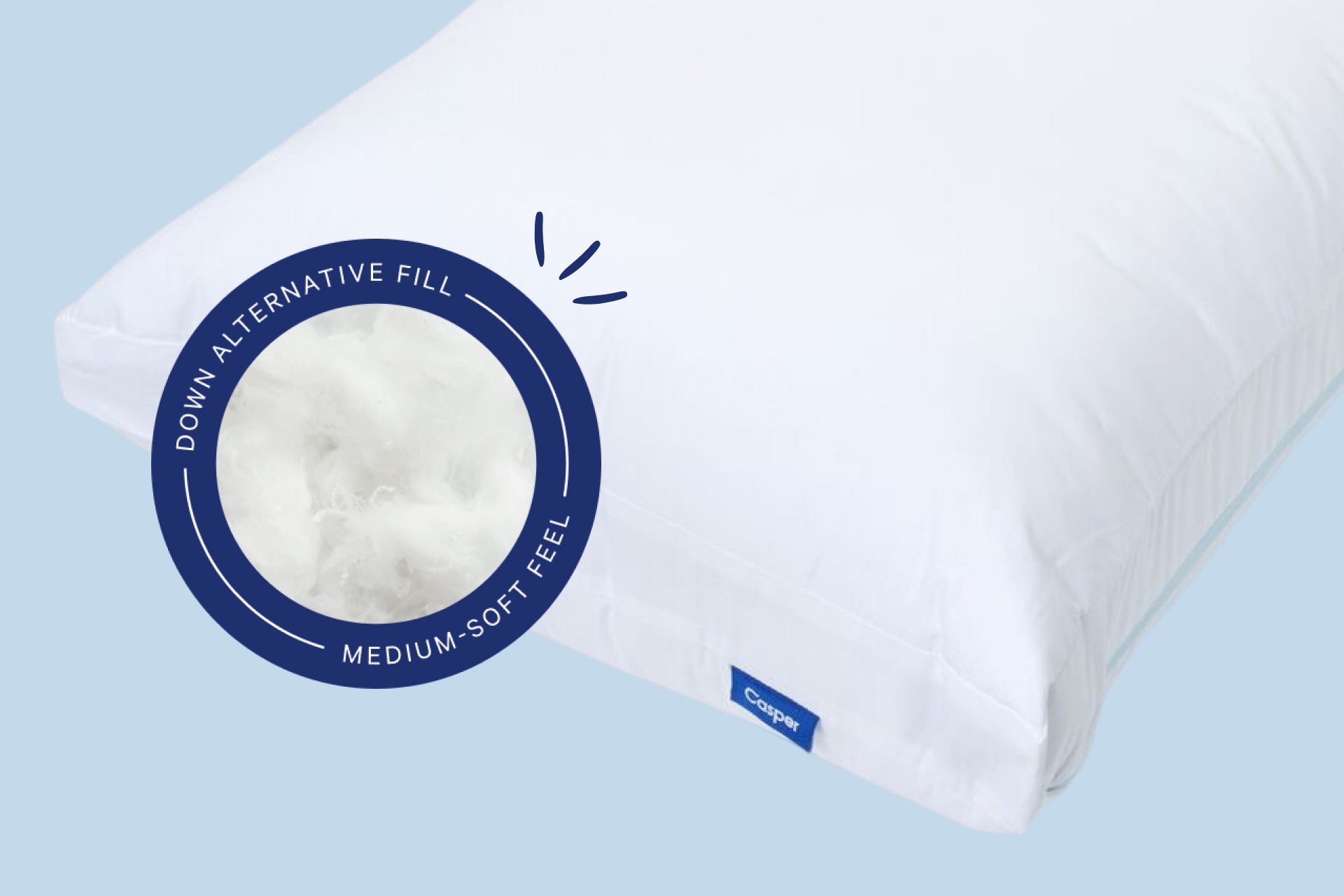
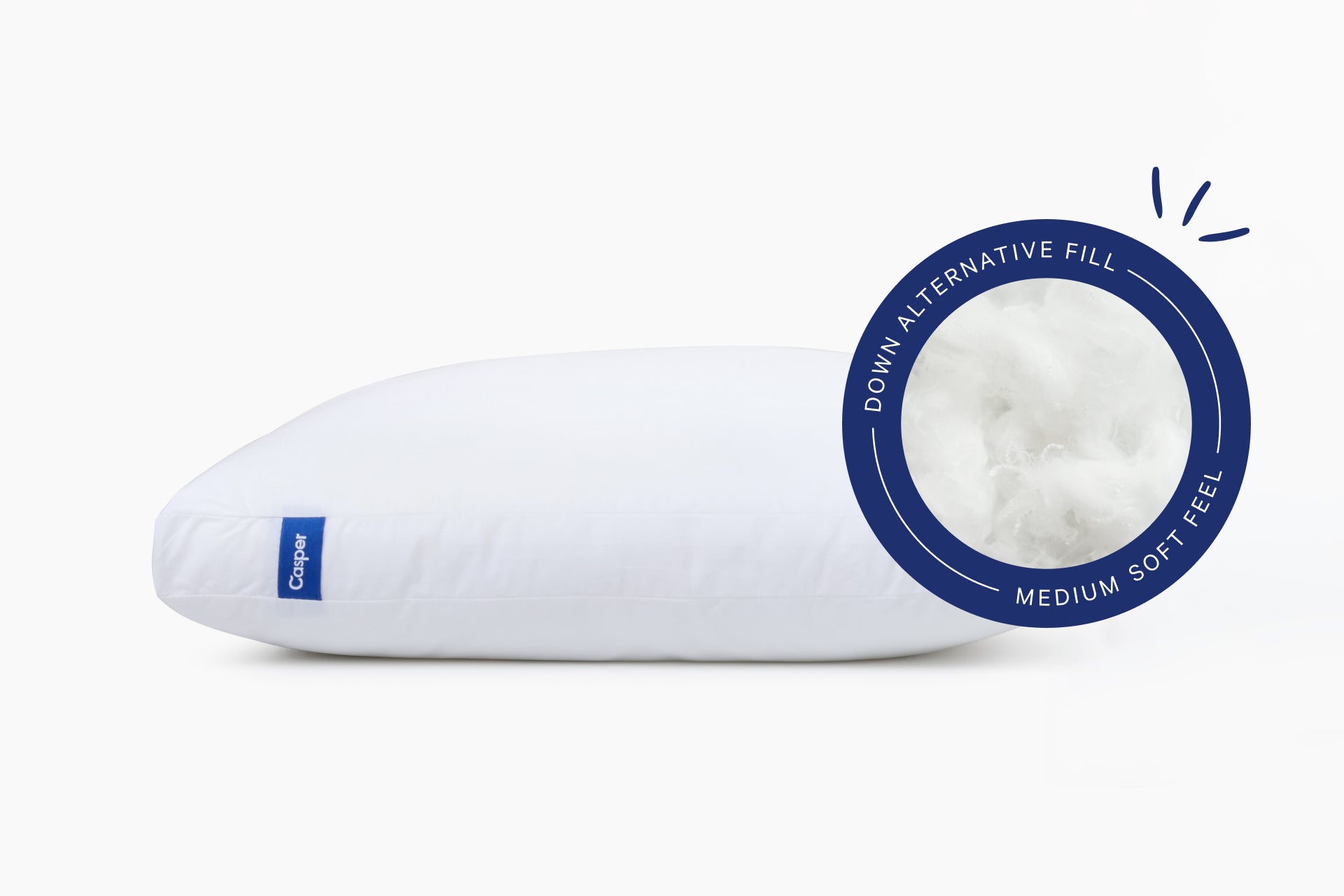
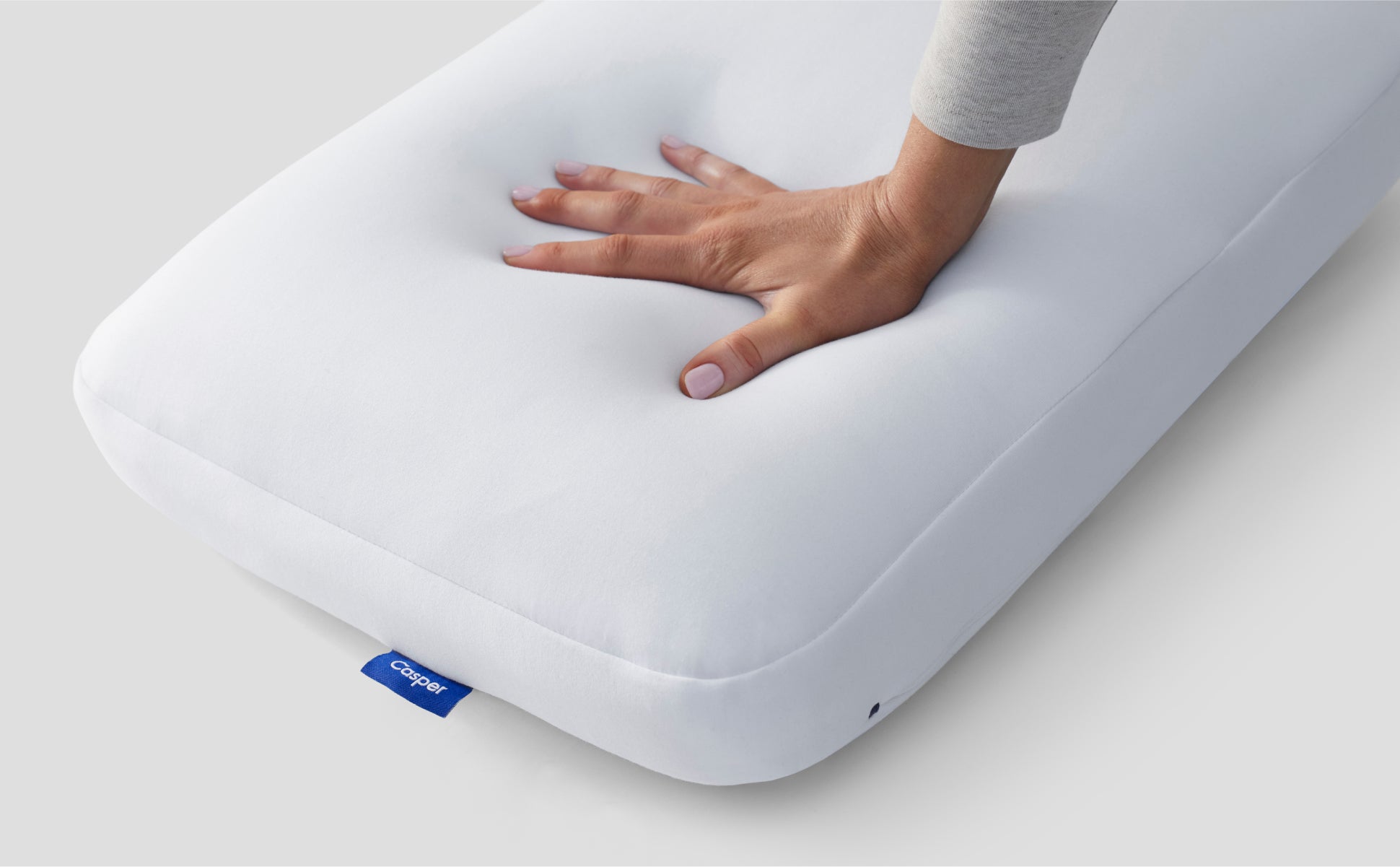
- Its hybrid design — combining ultra-soft foam with a down-alternative fiber core — helps keep your head and neck supported in a more neutral position so you can wake up feeling more rested.
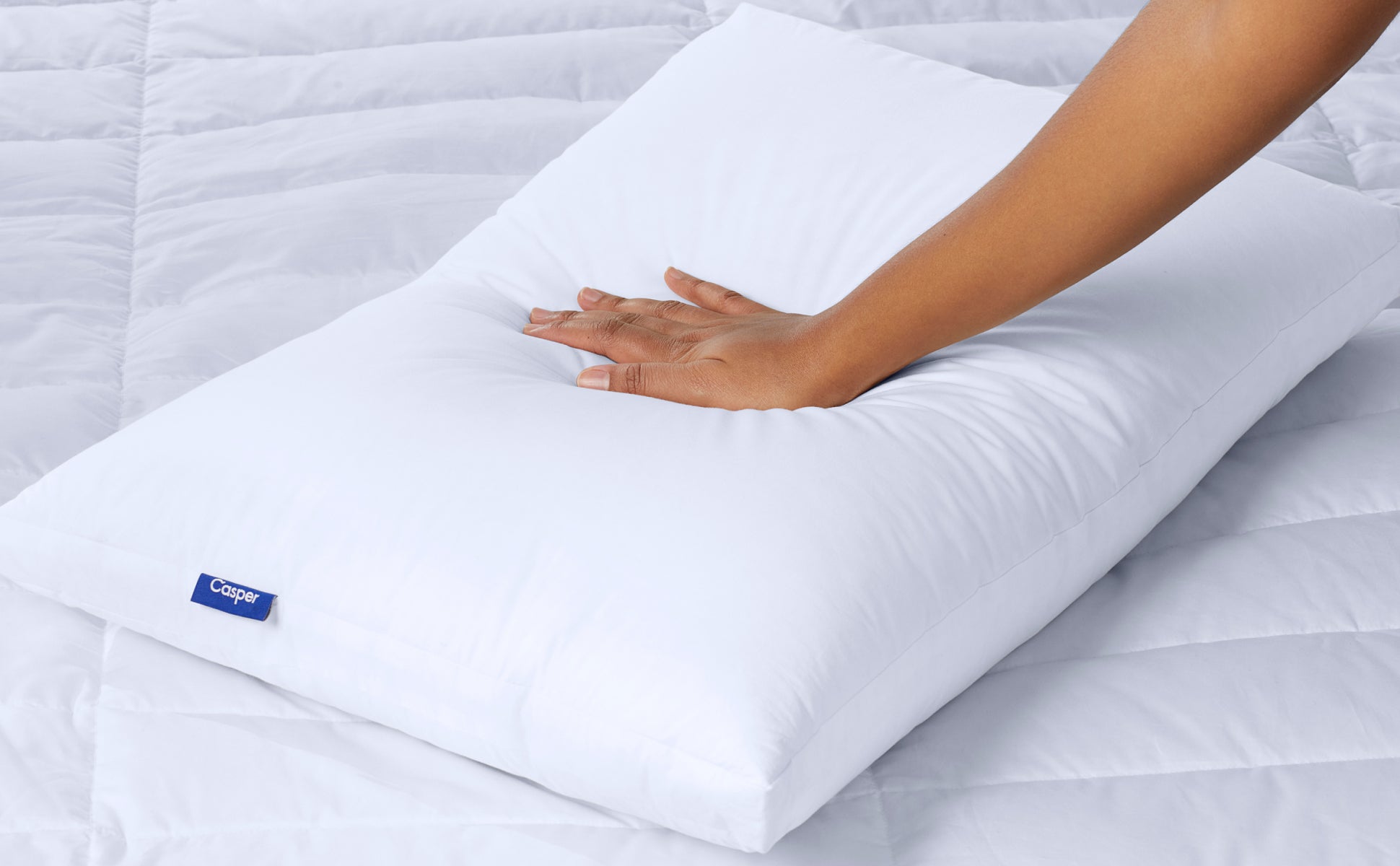
- The marshmallowy-soft feel is huggable and squishy, while still giving you the sturdy support your neck needs all night long.
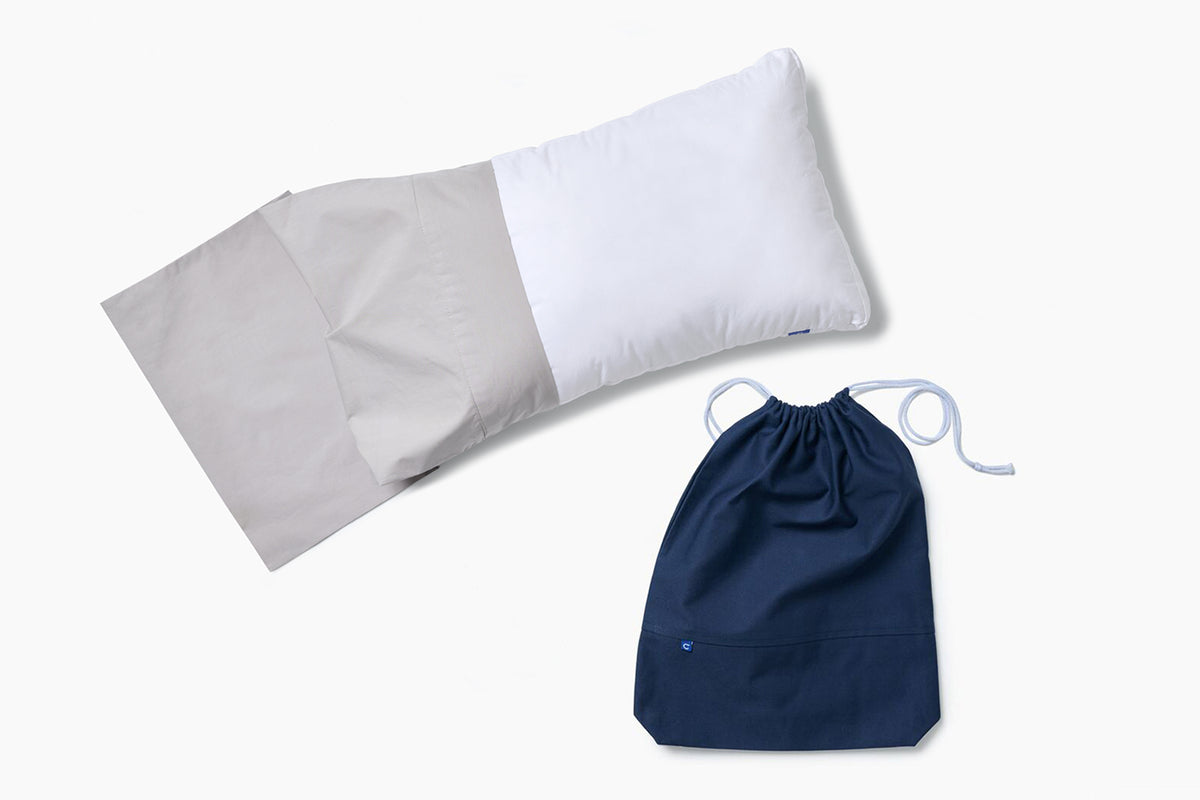
- Outer foam layers are designed to hold their shape and resist clumping, and the removable knit cover makes it easy to keep your pillow feeling fresh—no constant fluffing required.
For those who prefer having their head and upper back more elevated as they sleep, we recommend the Backrest Pillow:
- It balances softness and support to help you sleep deeply while supporting your neck.
- You can also use it behind your back while sitting up to promote proper posture during the day. Experts recommend improving your posture during the day — as well as your alignment at night — to help reduce neck pain.3
Ultimately, it’s about what helps you sleep best. Research suggests that regularly sleeping well can help make your neck pain more likely to improve.7 In addition to paying attention to expert recommendations, it’s also important to pay attention to what feels best for your body — whether you’re falling asleep or waking up.
Sources:
- Medicine (Baltimore.) Trends in diagnosis of painful neck and back conditions, 2002 to 2011. https://www.ncbi.nlm.nih.gov/pmc/articles/PMC5440123/
- Penn Medicine. Back and Neck Pain: Is It a Normal Part of Getting Older? https://www.pennmedicine.org/updates/blogs/neuroscience-blog/2017/april/spine-pain-and-age
- Cleveland Clinic. How to Get Rid of a Stiff Neck. https://health.clevelandclinic.org/do-you-have-a-stiff-neck-try-these-simple-remedies/
- WebMD. How to Stretch Your Neck. https://www.webmd.com/fitness-exercise/fitness-neck-stretches
- Cleveland Clinic. Back, Side or Stomach: Which Sleep Position Is Best for You? https://health.clevelandclinic.org/back-side-stomach-sleep-position-best/
- Harvard Health Publishing. What type of mattress is best for people with low back pain? https://www.health.harvard.edu/pain/what-type-of-mattress-is-best-for-people-with-low-back-pain
- The Clinical Journal of Pain. Patients with neck pain are less likely to improve if they experience poor sleep quality: a prospective study in routine practice. https://pubmed.ncbi.nlm.nih.gov/26153781/