



Updated Feb 22, 2026
A good night of sleep starts with getting comfortable. Everyone has different mattresses, pillows, sheets, preferred temperature — the list goes on. What stays consistent, though, is a person’s sleep position. There are back sleepers, stomach sleepers, and side sleepers. According to research, 69% of U. S. adults usually sleep on their side — by far the most archetypal sleeper.1 While there are pros and cons to each position, side sleeping is particularly interesting. Human anatomy plays a large role in which position is healthiest. With side sleepers, it all depends on which side you sleep on. We dive into specifics below on what the benefits and drawbacks are of sleeping on your side.
If you like to snuggle up on your side, you’ll want a mattress that supports you through the night. At Casper, we have the perfect mattress for you.

What Is a Side Sleeper?
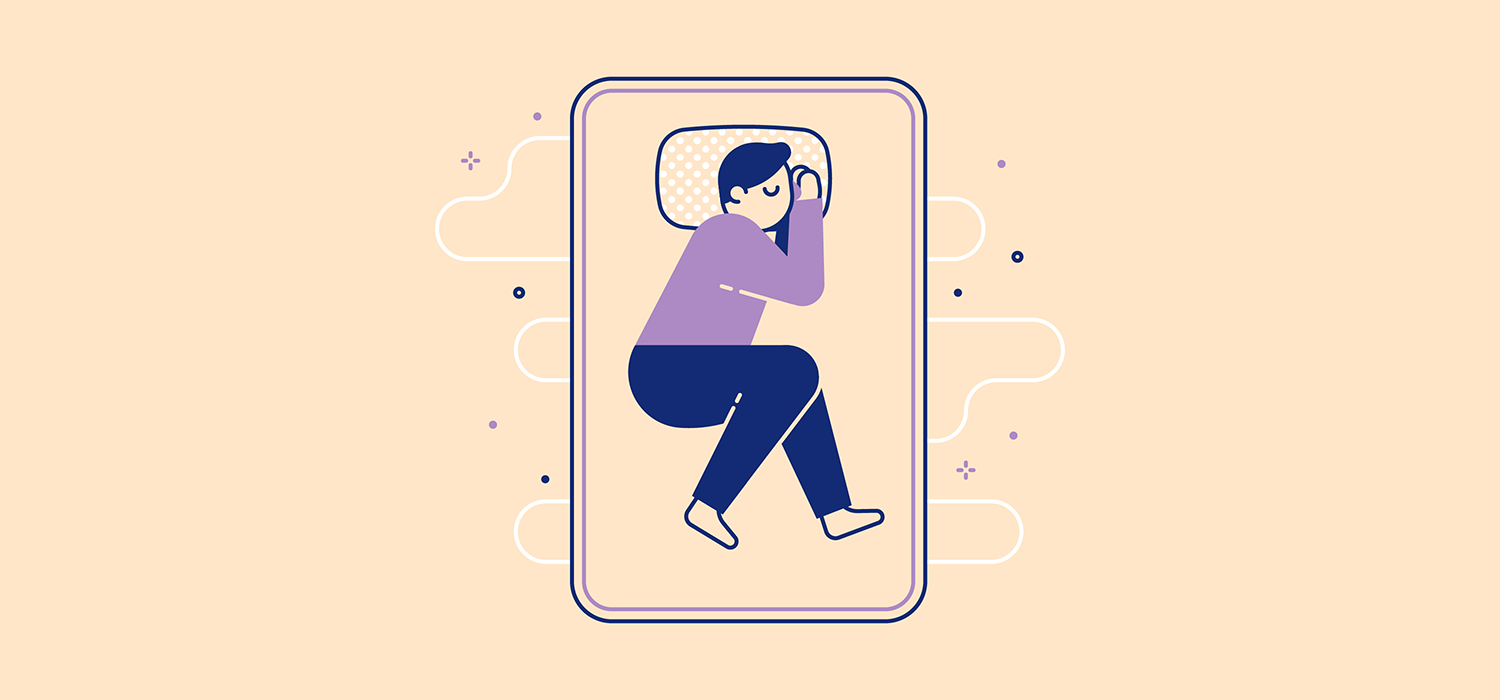
A side sleeper is someone who sleeps on either the left or right side of their body. These sleepers will often tuck a pillow in between their shoulders and head. A lot of side sleepers will hug a pillow as well. An easy way to tell if you’re a side sleeper is to look at your bedhead when you wake up. Flattened hair on one side means there’s a good chance you’re part of these ranks. You can also check to see if there’s any drool on your pillow. Gross? Maybe, but many people drool slightly while asleep, so if it’s going sideways, you’re sleeping on your side. It’s important to note that drooling while sleeping can be linked to sleep disorders like sleep bruxism,2 so it’s important to monitor this closely. Consult a doctor should excessive saliva be present night after night.
Potential Benefits of Side Sleeping

Side sleeping is one of the most popular sleeping positions for good reason. For many people, it supports better alignment, comfort, and overall sleep quality throughout the night.
Joint and Back Pain Relief
Good side sleeping posture can help reduce pressure on the spine, especially when your pillow, mattress, and body position work together. With proper support at the shoulder, hip, and knee, side sleeping may ease back pain and joint discomfort by keeping the spine in a more neutral position.3
Reduce Snoring
Side sleeping is often recommended for people who snore or experience obstructive sleep apnea. Lying on your side helps keep the airway more open compared to sleeping on your back, which can reduce airway collapse, improve airflow, and lead to quieter, more restful sleep.4,5 As always, this benefit is dependent on your side sleeping posture.
Healthier Pregnancy
If you're wondering how to sleep while pregnant, the American Pregnancy Association recommends sleeping on your side. This position may support better blood flow to the heart, uterus, and organs, while reducing pressure on the lower back and helping manage common pregnancy-related discomfort.6
When to Consider a Different Sleeping Position
Every sleep position comes with its own pros and cons, and comfort always matters most. However, a good night’s sleep will usually trump all of these minor issues associated with sleeping positions. As long as you aren’t snoring or experiencing day-altering side-effects from your sleeping position — like chronic back pain or neck aches — there’s no need to panic. If you’re concerned with any issues, contact a doctor.
Side sleeping may cause shoulder pain, hip soreness, or neck pain if your pillow doesn’t provide the right height, or if your mattress lacks proper support. Poor alignment can also lead to pressure on nerves, causing you to wake up feeling stiff or achy. If side sleeping feels consistently uncomfortable, adjusting your pillow, mattress firmness, or sleep position may help you sleep better.
Is There a Better Side to Sleep On?

As mentioned, there are pros and cons to side sleeping. These nuances are classified even further depending on if you sleep on your right or left side. Certain organs are located on each side of the body and can be affected by hours of compression (i. e. when you lay on them for a night’s sleep).
Right SideSleeping on your right side can make you more susceptible to acid reflux and other gastrointestinal distress. Heartburn can also be a side effect of sleeping on your right side.7 This is because if there is any backup, inflammation or general discomfort in the area, sleeping on your right side lets gravity pull acid toward the esophagus, increasing symptoms like burning and regurgitation. This adds to the discomfort and can eventually cause heartburn. Both occur because your stomach is going against gravity, which aggravates stomach acid. Generally, there are no pros to sleeping on your right side over your left. But, again, don’t worry if you’re getting a good night’s sleep on your right side without any noticeable side effects — it’s safe to keep snoozing this way.
Left SideSleeping on your left side is recommended for side sleepers. This helps digestion and reduces heartburn.8 This happens because gastric fluids stay below the esophagus, which makes it more comfortable to sleep.
For pregnant women, while early studies suggested that sleeping on the left side might reduce the risk of stillbirth, more recent evidence indicates that going to sleep on either the left or right side appears to be equally safe.9
Types of Side Sleepers
Within the subsect of side sleepers, there are even more types. All types are generally considered relatively healthy, as long as you’re getting a full night of sleep.
Fetal Position

Just as the name suggests, this type of side sleeper will curl up into a fetal position for sleep. When you wrap your hands around your legs and crunch your legs to your chest, you’re in the fetal position. This can be done to stay warm, so if you wake up in this position frequently, it may be worth investing in more blankets.
The Prayer Position

The prayer position is common for those who tend to have neck pain. This position involves sleeping on your side and placing your hands together, as if in prayer. Then, someone in the prayer position will place their hands under their head or under the pillow. This position helps elevate the head which could indicate your pillows are too thin and need to be switched out for something more supportive.
The Eternal Snuggler

You’re an eternal snuggler if you tend to grab pillows and blankets and hug them close to your stomach every night. While you may start out in this position, it’s also common to wake up like this. Generally, this is due to a lack of warmth or a need for extra support.
The Log

Log sleepers sleep almost completely on their side. With their arms along their torso and laying horizontal, it’s no wonder how they get their name. Going to bed in this position and then waking up in the same one can indicate that you were in a deep sleep and got a good night’s rest.
The Reacher

Reacher side sleepers are the most sprawled out of the group. In this position, sleepers will have their arms stretched out in front of them, and naturally, this can make it so their legs sprawl out as well.
Tips for Good Sleep as a Side Sleeper
The best way to improve your sleep as a side sleeper is to ensure your pillow gives your neck proper support. Many traditional pillows are meant solely for back sleepers. The extra space created between your pillow and your neck when you turn on your side can cause issues. Another way to sleep well on your side is to invest in a body pillow. These pillows are body-length and typically firmer than a traditional pillow. Body pillows can help ensure you don’t constantly roll from side to side. They’re also great for pregnant women and those with digestive problems, as they stop you from rolling onto your right side. Side sleepers should also remember to keep a neutral spine while sleeping. Regardless of pillows or mattresses, a neutral spine will help mitigate back pain in the morning. To neutralize your spine, relax while on your side, but make sure that your body isn’t twisted in any way. Your head should be between your shoulders (similar to how it would be when you’re walking). You’ll probably move during the night, but starting in this position can help kick the night off right. When in doubt, use more pillows! If you’re set on side sleeping, use pillows to minimize strain on parts of your body that aren’t getting enough support. Depending on body type, this tends to be your neck and shoulders. Positioning pillows in a way that takes the strain off these areas can dramatically increase your quality of sleep. Remember, you’re asleep for hours at a time, which can cause constant pressure to strained areas.
How to Switch Your Sleeping Position

You should only feel like you need to switch your sleeping position if you’re unable to sleep at night or wake up with pain in the morning. While back sleeping is objectively the healthiest option, you should be fine sleeping on your side as long as you feel well-rested and don’t snore. That being said, if you do experience any problems, it could be a good idea to switch your sleeping position. The process is different depending on what you’re trying to achieve.
Switch to a Back SleeperThe best way to switch to being a back sleeper is to use pillows — lots of pillows. Before you go to bed, set pillows around you to keep you from rolling over. Sometimes it can be helpful to stick a pillow between your knees, as this can help you prevent from rolling even more. You may have to ease into back sleeping. If this is the case, place pillows wherever your body “caves in” (e. g. lower back, neck, behind the knees, etc. ). By doing this you alleviate unneeded stress on your untrained back-sleeping body.
Switch from a Right Side Sleeper to a LeftIf you wake up with a stomach ache or heartburn, you could be sleeping on your right side. If you don’t want to become a back sleeper, there are simple steps that can help you switch to your left side. To switch sleeping sides, simply sleep on the couch for a few nights. Sleep on your left side with your back against the back of the couch. This will make it harder to flip to your right side during sleep. It shouldn’t take much time to switch your sleep position while training your body like this. Within a week, try moving back onto your bed. Use different types of pillows to keep you in place and gradually remove them as time goes on. This process is particularly useful for pregnant women. Back sleeping can be painful for pregnant women and right side sleeping can put pressure on internal organs.
Best Mattresses For Side Sleepers
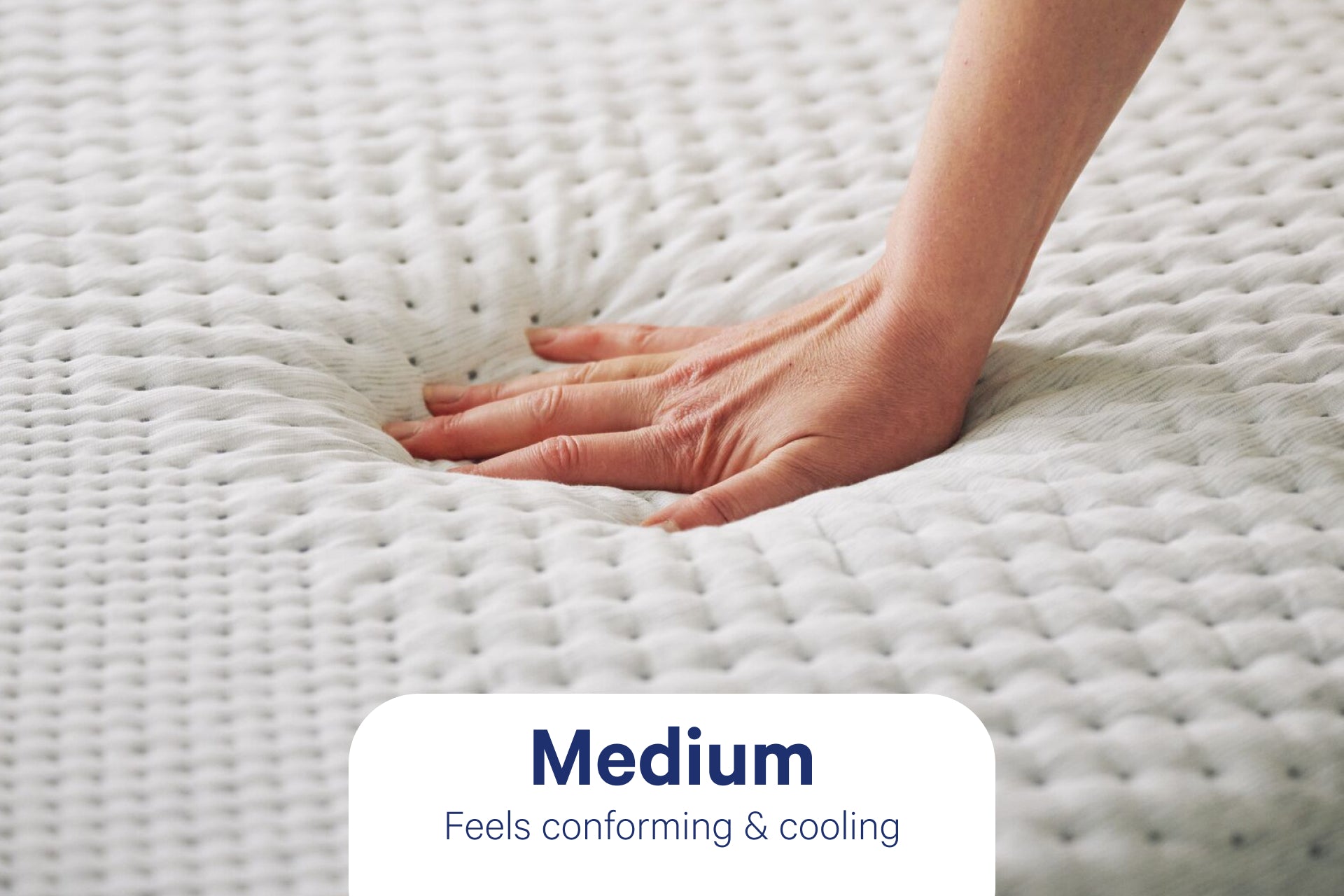
Side sleepers should find a medium-firm or medium-soft mattress. Again, a side sleeper’s main concern is that there can be a major strain on the neck, hips, and shoulders. In addition, a main function of any mattress is to support the spine. A medium mattress helps support these areas because it provides a good ratio between sink and support. To make sure your back and neck are supported, a medium mattress morphs to the curvature of the back — creating minimal blank space between the back and bed. Too firm of a mattress will put pressure on parts of your body and can exacerbate the pain of side sleeping. The shoulders and neck are particularly susceptible to pain and pressure on a firm mattress as a side sleeper. On the other hand, an exceedingly soft mattress will compress the body. Sinking into a mattress can crush pain points, provide little support in empty areas and curve the spine.
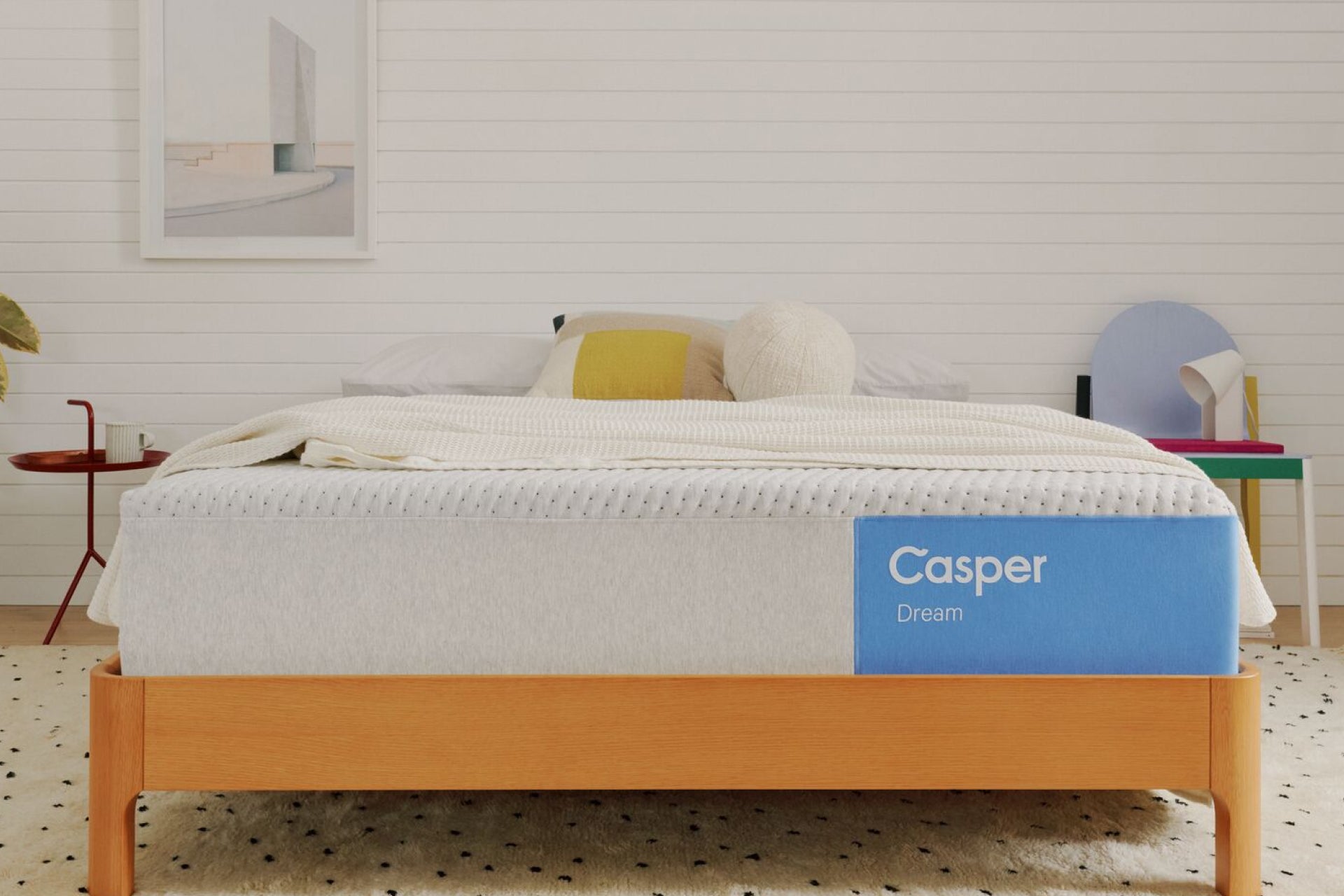
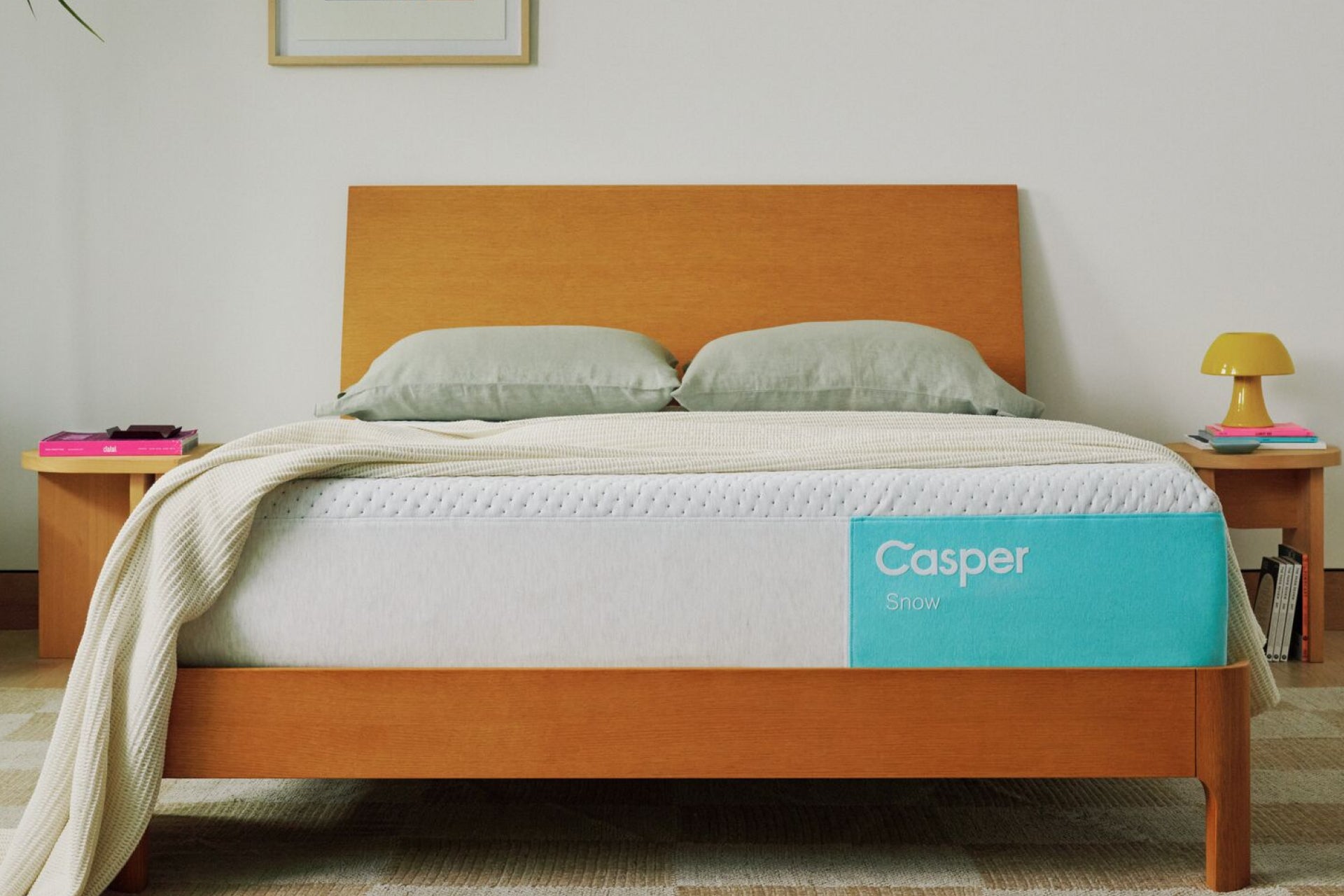
Size should also be considered, as side sleepers can take up more space than stomach or back sleepers. For couples, we’d recommend going with a queen mattress, if not something bigger. To figure out the right combination, try a mattress out in-store before purchasing one, or shop from mattress brands like Casper that offer risk-free trials. You need to understand how your body will mold to the firmness and make up of the pad because each person has a different body type and sleep position. Thankfully, the Casper Dream and Dream Max hybrid mattresses were uniquely designed to provide the perfect balance of cozy feel and great support for side sleepers.
Best Pillows for Side Sleepers
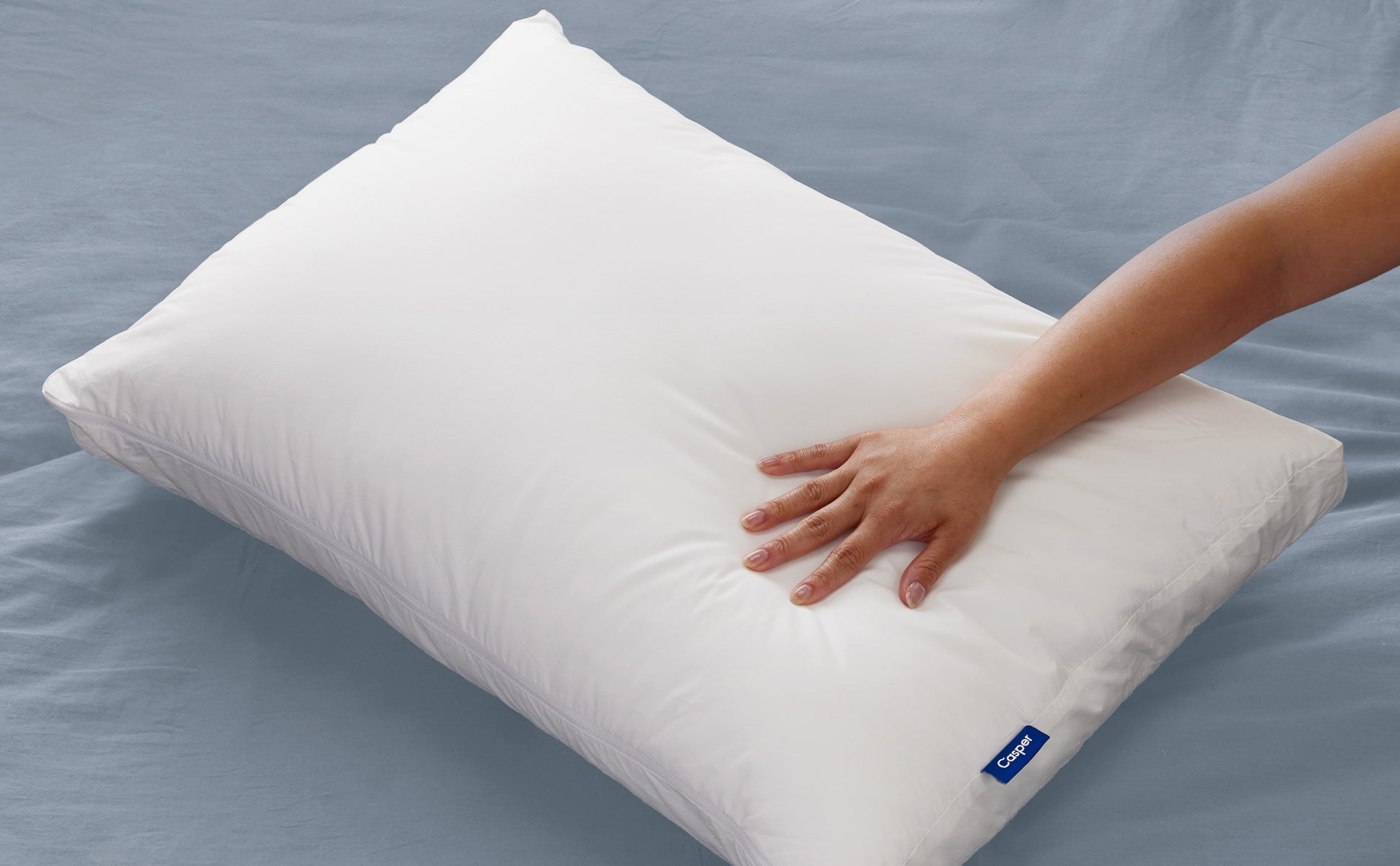
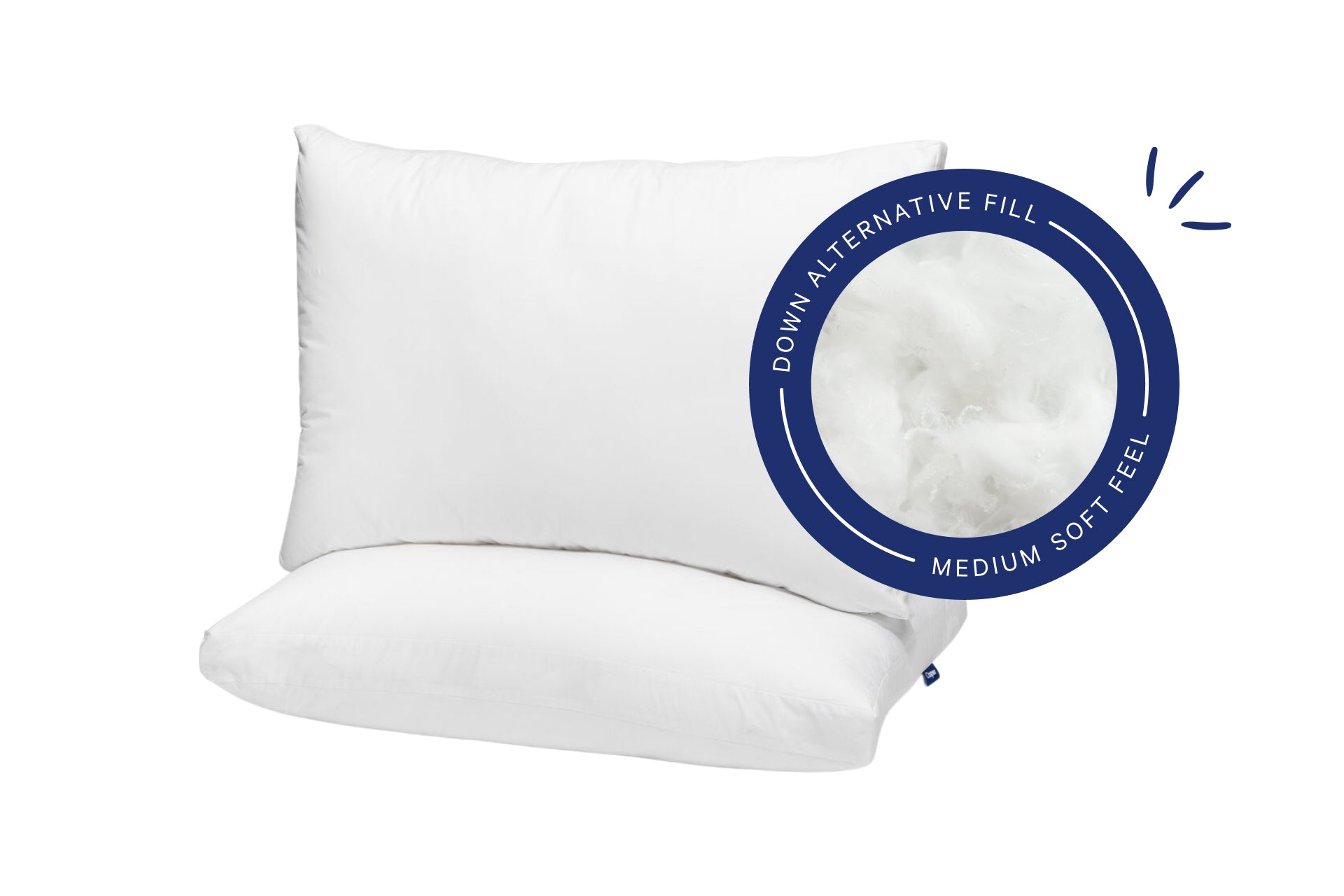
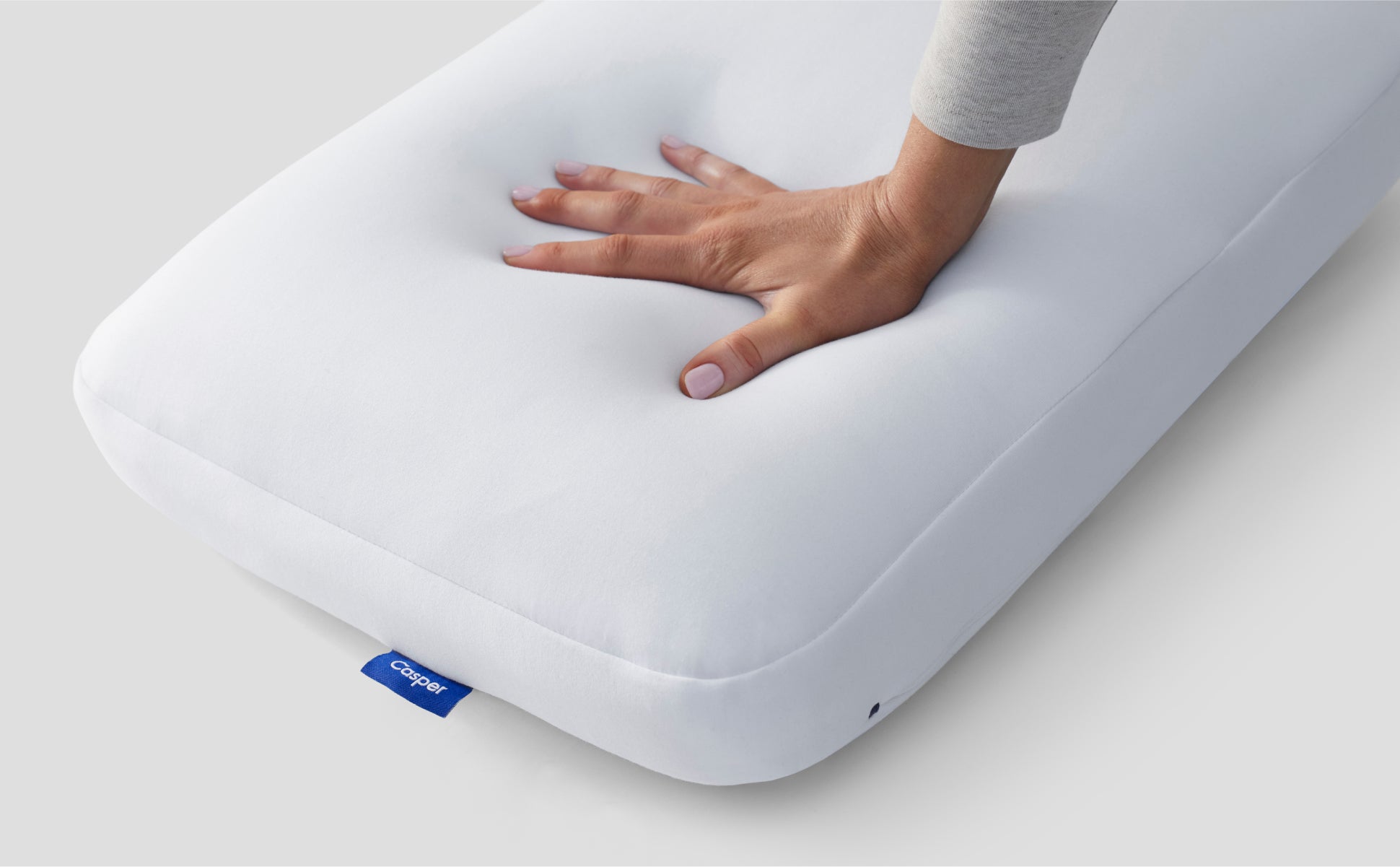
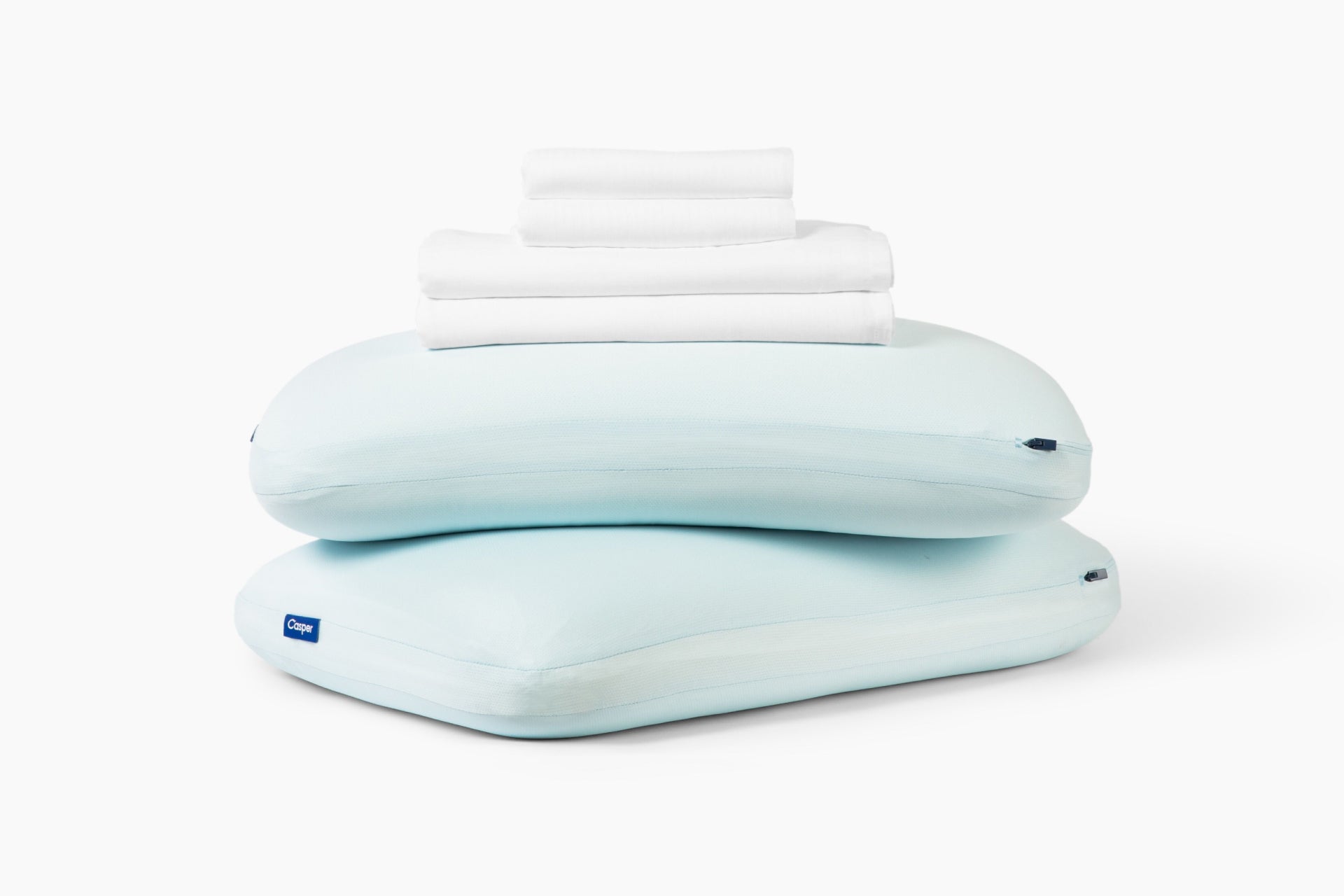
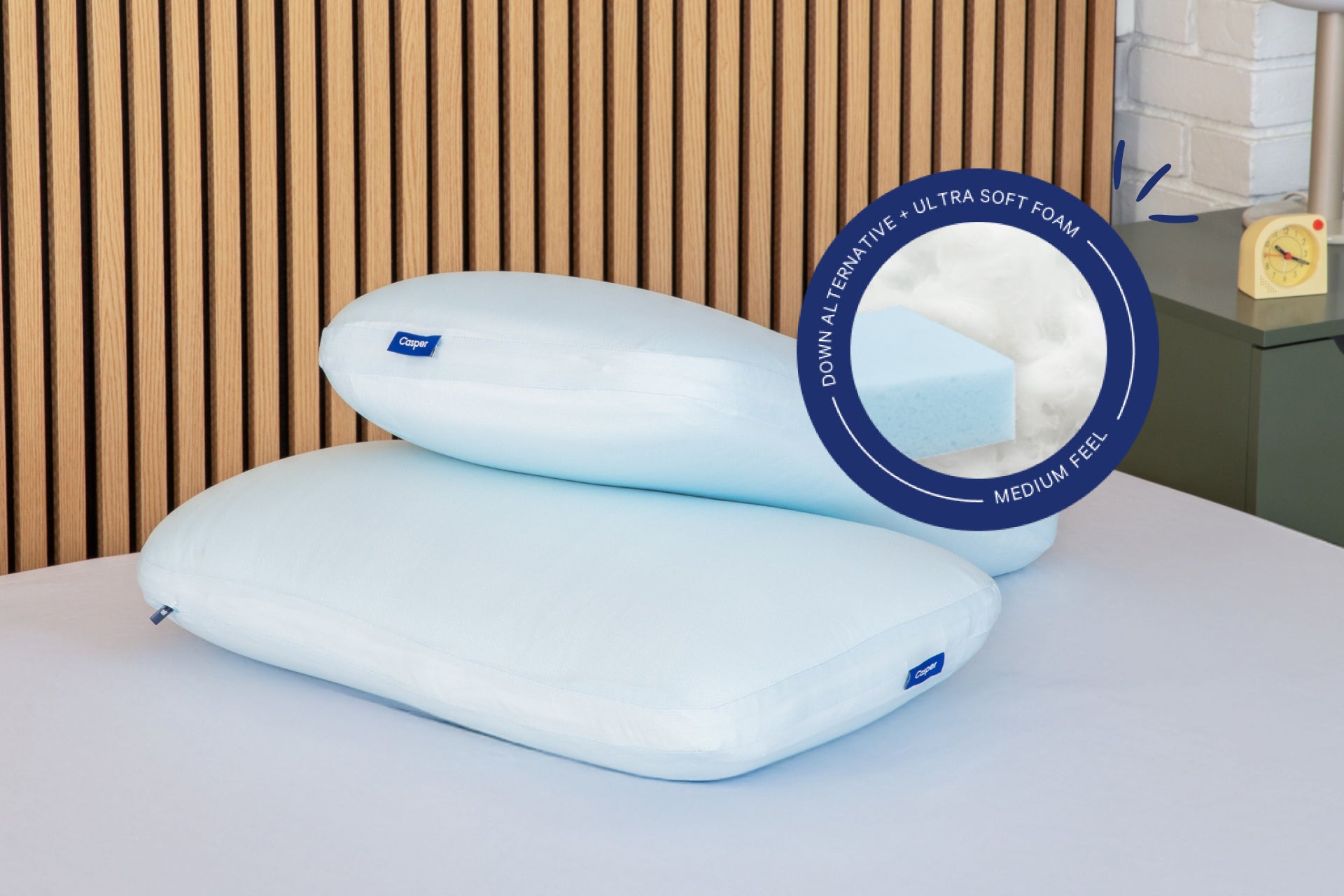
A good mattress and a quality pillow go hand in hand. Like yin and yang, pillows and mattresses balance each other out to create a wonderful night’s sleep — if paired right. Side sleepers should look for pillows that are supportive, yet can mold to their body type. Proper support should make your neck feel like it’s “floating. ” Another way to view it is to imagine your body in a walking position as you sleep. This typically means it’s at a constant 180-degree angle. Your neck will be subject to immense pressure if it’s crooked. With The Original Casper Pillow, you’ll get a malleable pillow that can not only mold to your body type, but provide you with the support you need for side sleeping. Whether you’re a side, back or even stomach sleeper, getting a good night’s sleep is essential to everyday life. If you wake up feeling rested, there isn’t much to be concerned about when it comes to sleeping position. It’s when you wake up in pain and unrested that you should be concerned. However, don’t fret. Switching your sleep position is a simple process that doesn’t take much time. Quality pillows and a pristine mattress are your first steps to a good night’s sleep — you use them every day, they should be top quality.
Finding the Right Side Sleeping Setup with Casper
Side sleeping can be a great way to support comfort, alignment, and more restful sleep — especially when your pillow and mattress work together to keep your spine neutral throughout the night. With the right support at your neck, shoulders, hips, and knees, side sleeping may help reduce discomfort and promote a better night’s sleep.
If you’re a side sleeper looking to sleep better, Casper offers thoughtfully designed mattresses and pillows that adapt to your sleep position. From supportive pillows for side sleepers to mattresses that balance comfort and support, Casper helps you wake up refreshed and ready for the day.
Sources:
- Social Science Research Solutions. 2025. “How the American Public Sleeps - SSRS. ” SSRS. March 10, 2025. https://ssrs. com/insights/how-the-american-public-sleeps/.
- González González A, Montero J, Gómez Polo C. Sleep Apnea-Hypopnea Syndrome and Sleep Bruxism: A Systematic Review. J Clin Med. 2023;12(3):910. Published 2023 Jan 23. doi:10.3390/jcm12030910. https://pmc.ncbi.nlm.nih.gov/articles/PMC9918154/
- Cary D, Briffa K, McKenna L. Identifying relationships between sleep posture and non-specific spinal symptoms in adults: A scoping review. BMJ Open. 2019;9(6):e027633. Published 2019 Jun 28. doi:10.1136/bmjopen-2018-027633. https://pmc.ncbi.nlm.nih.gov/articles/PMC6609073/
- Joosten SA, Edwards BA, Wellman A, et al. The Effect of Body Position on Physiological Factors that Contribute to Obstructive Sleep Apnea. Sleep. 2015;38(9):1469-1478. Published 2015 Sep 1. doi:10.5665/sleep.4992. https://pmc.ncbi.nlm.nih.gov/articles/PMC4531415/
- Marques M, Genta PR, Sands SA, et al. Effect of Sleeping Position on Upper Airway Patency in Obstructive Sleep Apnea Is Determined by the Pharyngeal Structure Causing Collapse. Sleep. 2017;40(3):zsx005. doi:10.1093/sleep/zsx005. https://pmc.ncbi.nlm.nih.gov/articles/PMC5806553/
- American Pregnancy Association. Best Sleeping Positions While Pregnant. https://americanpregnancy.org/healthy-pregnancy/pregnancy-health-wellness/sleeping-positions-while-pregnant/
- Katz LC, Just R, Castell DO. Body position affects recumbent postprandial reflux. J Clin Gastroenterol. 1994 Jun;18(4):280-3. doi: 10.1097/00004836-199406000-00004. PMID: 8071510. https://pubmed.ncbi.nlm.nih.gov/8071510/
- Simadibrata DM, Lesmana E, Amangku BR, Wardoyo MP, Simadibrata M. Left lateral decubitus sleeping position is associated with improved gastroesophageal reflux disease symptoms: A systematic review and meta-analysis. World J Clin Cases. 2023;11(30):7329-7336. doi:10.12998/wjcc.v11.i30.7329. https://pmc.ncbi.nlm.nih.gov/articles/PMC10643078/
- S C Horne R. Sleep your baby supine, but mums-to-be should sleep on their side. J Physiol. 2021 Mar;599(6):1725-1726. doi: 10.1113/JP281258. Epub 2021 Feb 10. PMID: 33533488. https://pubmed.ncbi.nlm.nih.gov/33533488/