











Your bed frame has a significant impact on your sleep quality, making replacement necessary if you notice signs like persistent creaking, sagging or bowing, visible damage, loose hardware, poor sleep, and overall deterioration.
Your bed frame might not be the first thing you think of when it comes to sleep comfort, but it actually plays a major role in how well you rest each night. A sturdy frame keeps your mattress supported and stable so it can perform the way it was designed to. But like any piece of furniture you use every day, bed frames don’t last forever.
Over time, joints loosen, and subtle shifts can begin to affect the feel of your entire sleep setup. For many people, the challenge isn’t knowing whether a bed frame matters, but when to let go of the old one.
Below, we’ll provide you with how often you should replace your bed frame, list the most common signs that your frame is reaching retirement, and discuss how to determine whether repairs are enough (or if a replacement is the smarter, safer choice).
How Often Should You Replace Your Bed Frame?
Unlike items with fixed expiration dates, bed frames don’t need to be replaced on a strict timeline. The lifespan varies based on:
- Materials
- Construction quality
- Weight load
- Everyday wear
However, there are general guidelines that help set expectations: Wood bed frames typically last 7 to 10 years, while metal bed frames often last up to 15 years, and sometimes longer.
Remember, these are averages, not rules. A high-quality solid wood bed frame that’s cared for properly can last well over a decade, while a lightweight metal frame with thin supports may wear down far sooner. The most important guideline is to replace your bed frame when you notice signs of wear and tear, not just when a certain number of years has passed.

7 Signs It’s Time to Replace Your Bed Frame
Here are some of the most common indicators that your frame is on its last legs. Some are subtle while others are more obvious, but all indicate that your sleep setup is no longer performing at its best.
1. Persistent Creaking and Squeaking
A little noise now and then isn’t unusual, but persistent creaking (especially after you’ve already tightened all the hardware) is one of the clearest signs that your bed frame is beginning to wear out.
Creaking often means1:
- Joints are loosening even after tightening
- Slats are shifting under pressure
- Fasteners aren’t gripping as well as they once did
- Structural components are rubbing or bowing under weight
Wood frames tend to creak when the joint connections start weakening, while metal frames squeak when bolts loosen or when metal components begin to warp or grind. Either way, if noise returns within weeks of tightening everything, it’s an early warning sign that the frame’s integrity is declining.
2. Sagging or Bowing Under the Mattress
One of the most noticeable signs of frame failure is visible sagging. This often shows up as:
- A noticeable dip in the middle of the mattress
- Slats flexing or curving downward
- A center support rail that bows under weight
- A mattress that no longer feels even or supportive
Mattresses require a stable, level foundation to perform properly. When the base softens or bends, your mattress compensates, meaning you’re more likely to feel uneven support or back pain. Even a brand-new mattress can feel “off” if the frame beneath it is dipping.
If you remove the mattress and see slats bending, breaking, or spaced too far apart, or if you notice your weight causes the frame to flex visibly, it’s likely time for a replacement.

3. Visible Damage and Deterioration
Physical damage is usually easier to spot, but many people live with it longer than they should. Over time, small problems like hairline cracks or minor beds become larger issues that compromise the entire structure.
Common warning signs include:
- Cracks or splits in wooden rails
- Warped or bowed slats
- Bent or dented metal supports
- Chipped or damaged finishes that indicate aging or dryness
- A single broken slat, which often leads to more under continuous pressure
Wood frames naturally expand and contract with humidity and temperature changes. Metal frames can slowly deform under repeated load. Both materials weaken as these changes accumulate. If you notice progressive deterioration, not just cosmetic wear, your frame may be nearing the end of its functional life.
4. Loose Hardware or Wobble You Can’t Fix
A good bed frame should feel steady and secure. If yours shifts or slides when you sit down or roll over, pay attention. A wobbling bed typically means:
- Bolts or screws won’t stay tight
- Pre-drilled holes have widened or stripped
- Connections are wearing out
- The frame has lost its structural alignment
Once hardware becomes impossible to keep tight, the frame can no longer provide consistent support. Movement also accelerates wear on your mattress by creating uneven pressure points.
A wobbling frame isn’t just irritating; it’s a safety concern. If tightening hardware only works for a short while, that’s your sign to start shopping for a replacement.
5. Your Sleep Quality Has Declined
One of the most overlooked signs of bed frame issues is the effect on your nightly rest. If your mattress is relatively new but suddenly feels uncomfortable (too firm, too soft, uneven, or unsupportive), the frame could be the underlying issue.
A failing frame can cause:
- Increased pressure points
- Mattresses to sag prematurely
- Misalignment in your lower back or hips
- A “rolling” sensation toward the middle
- Noise that disrupts sleep
This is especially common with heavier foam and hybrid mattresses, which rely on solid support surfaces. If you consistently wake up stiff or notice new discomfort despite loving your mattress, investigate the frame. You may find the support system beneath you is no longer doing its job.
6. It’s Past Its Expected Lifespan
Even if your frame appears stable, age alone can impact its performance. Materials slowly weaken, joints loosen, and accumulated stress takes a toll. A frame approaching the end of its projected life (paired with even minor signs of wear) is typically due for an upgrade. General lifespan guidelines include:
- Wood – 7 to 10 years
- Metal – Around 15 years
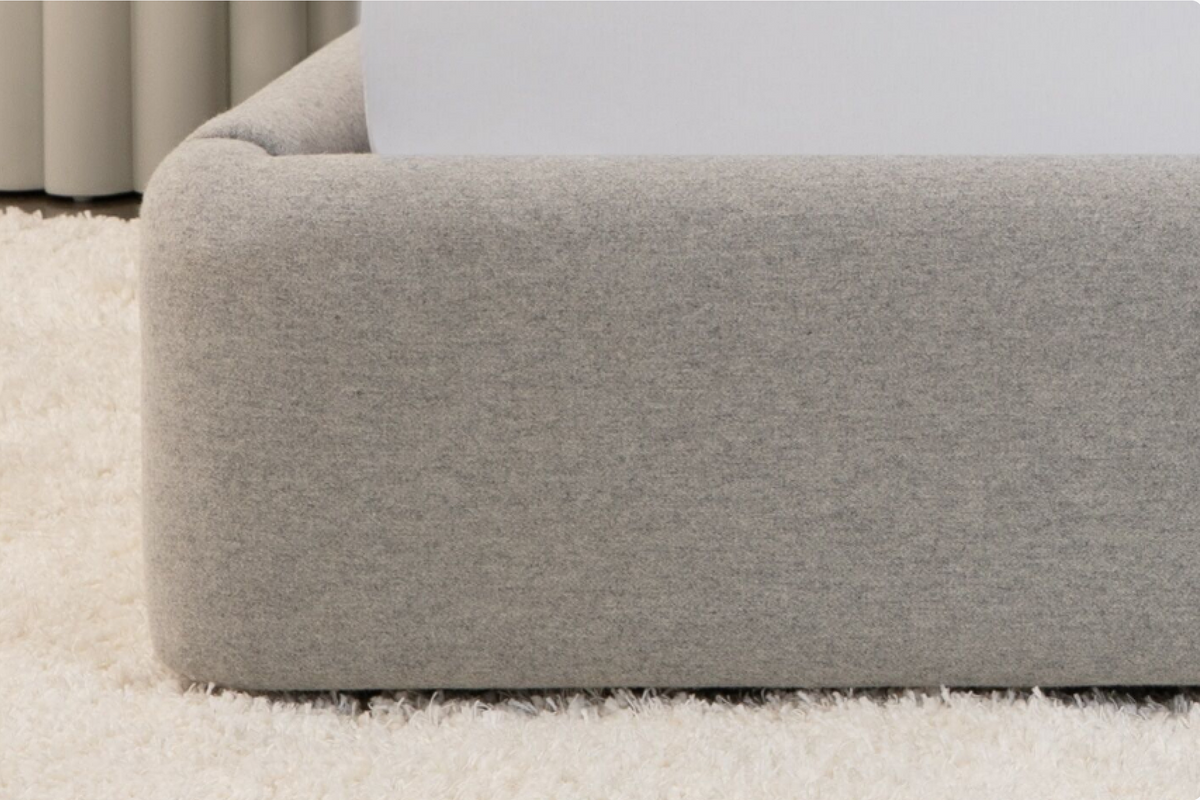
- Upholstered frames – Varies widely depending on construction quality
The more years your bed frame has supported nightly movement and weight, the more likely it is to lose structural efficiency.
Once you start spotting multiple signs, especially creaking, sagging, wobbling, or visible wear, it’s not worth pushing the frame further. Replacing it ensures your mattress can continue performing properly and helps prevent future sleep discomfort.
7. Repairs Keep Adding Up
A repair here and there is normal, but if you’re frequently tightening screws, reinforcing slats, replacing hardware, or propping up areas that feel weak, the frame may be past the point where repairs make sense.
Here are some of the signs that repairs aren’t solving the underlying issue:
- Slats keep cracking despite reinforcement
- Hardware constantly loosens
- The frame has multiple trouble spots
- The structural design simply can’t handle the weight or motion
When repair costs start to stack up, a new frame is usually more economical. A fresh frame will restore the stability your mattress needs and eliminate the frustration of temporary fixes.

Maintenance Tips (If You’re Not Replacing Yet)
If your frame passes inspection and you’re not ready to replace it yet, a little routine maintenance can help extend its lifespan and keep your setup feeling stable.
Frames take on more daily movement than most people realize, so giving the structure occasional attention helps prevent minor issues from growing into structural problems.
- Tighten hardware every few months – Bolts and screws naturally loosen over time, especially in wood frames or adjustable bed frame designs. A quick tightening session can quiet early squeaks and keep joints aligned.
- Inspect for cracks and bends regularly – Look over slats, center supports, and rail connections for early signs of stress. Catching a small crack or slight warp early gives you the chance to reinforce or redistribute weight before the issue spreads.
- Keep slat spacing appropriate – Foam and hybrid mattresses need slats spaced no more than about three inches apart to stay properly supported. If the gaps are wider, consider adding slats or using a bunkie board to create a flatter, more consistent surface.
- Rotate your mattress on schedule – Regular rotation helps spread pressure across the frame. This prevents repeated stress in the same spots and helps both the frame and mattress age more evenly.2
These simple habits can delay wear, but they can’t reverse major issues. Once a frame shows persistent sagging or hardware that refuses to stay tight, replacement is the safer long-term option.
Upgrade with a Casper Bed Frame Today
If you’re asking how often to replace your bed frame, your answer is less about a timeline and more about performance: Replace your frame when it stops supporting you.
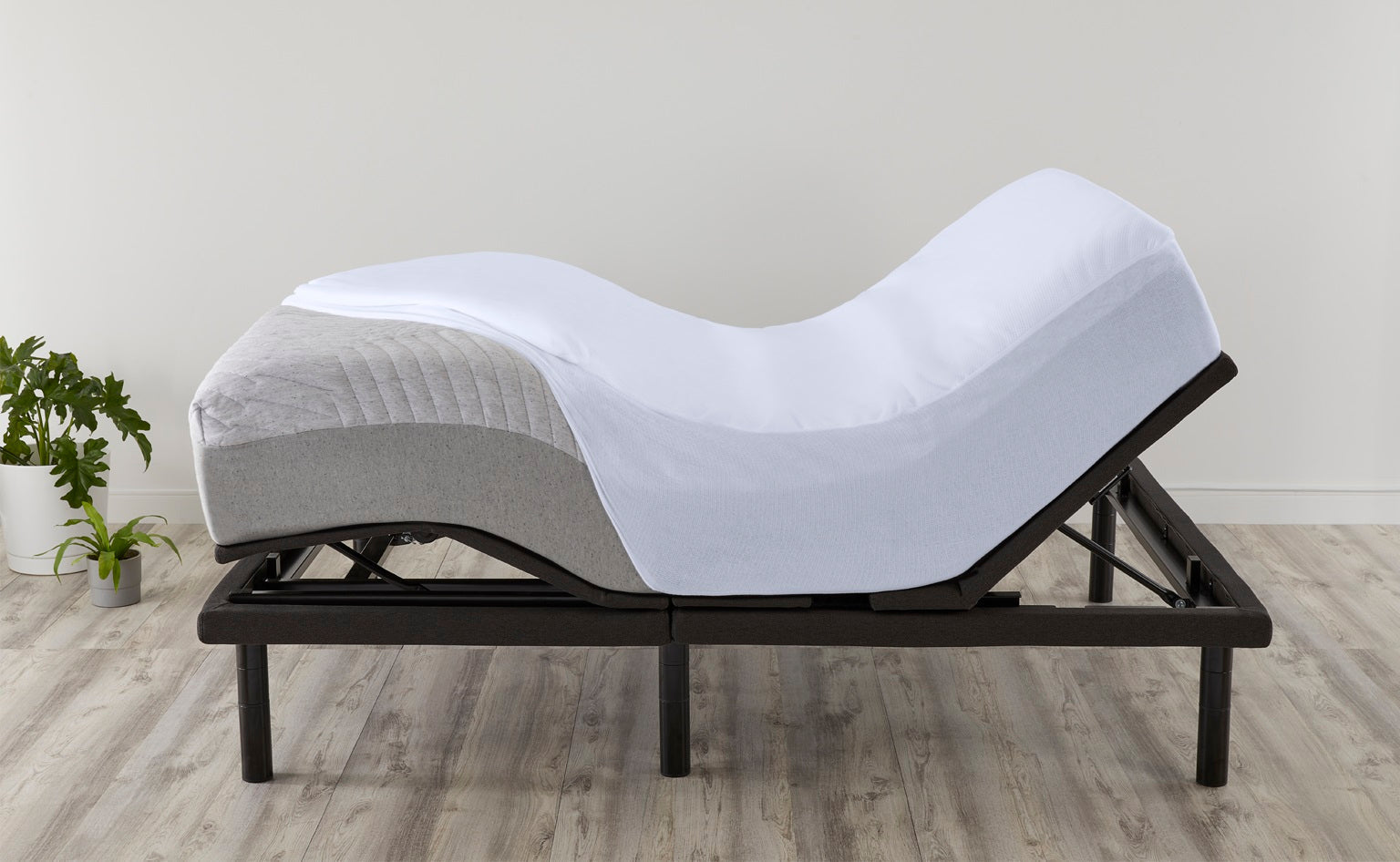
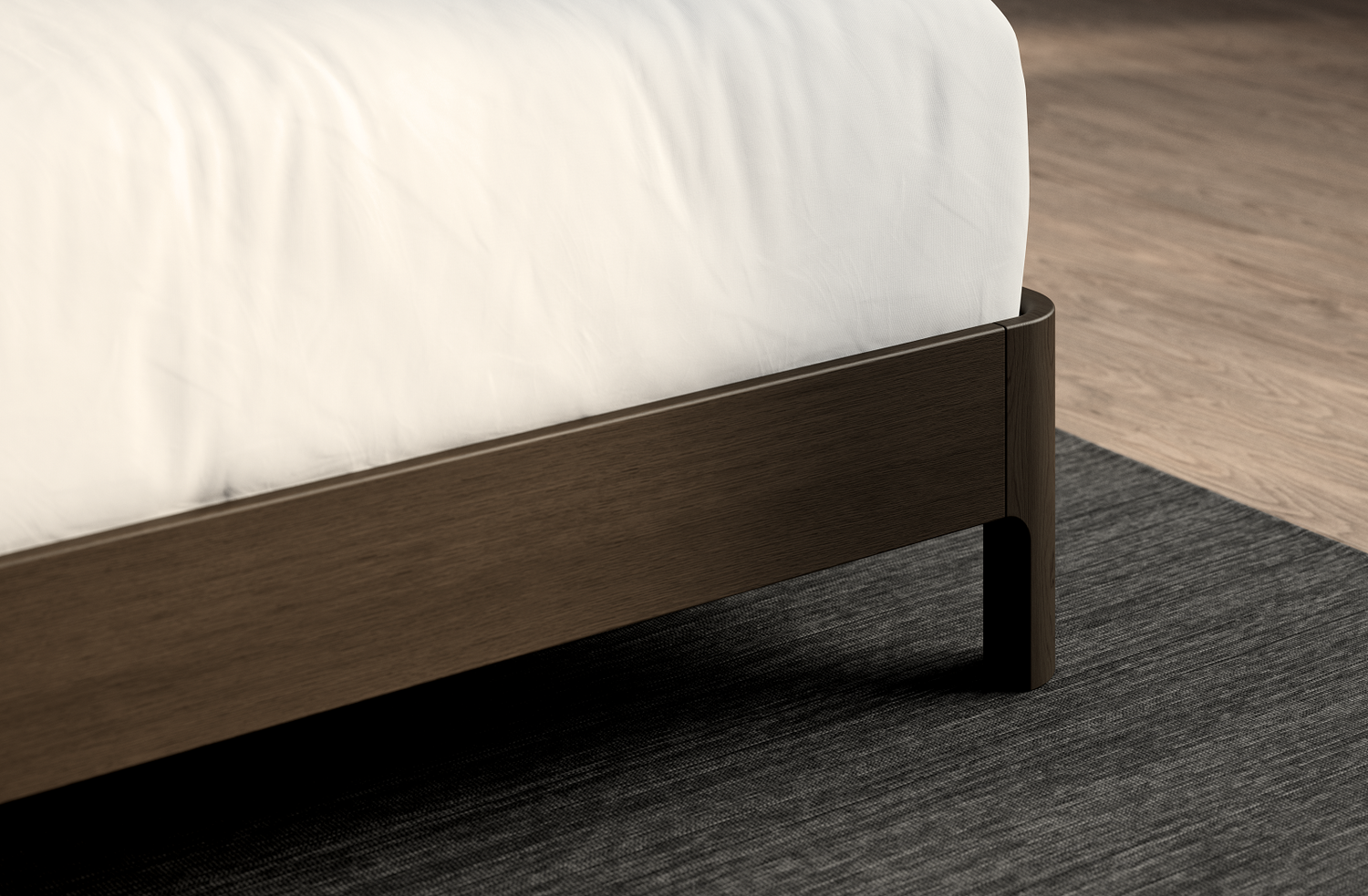
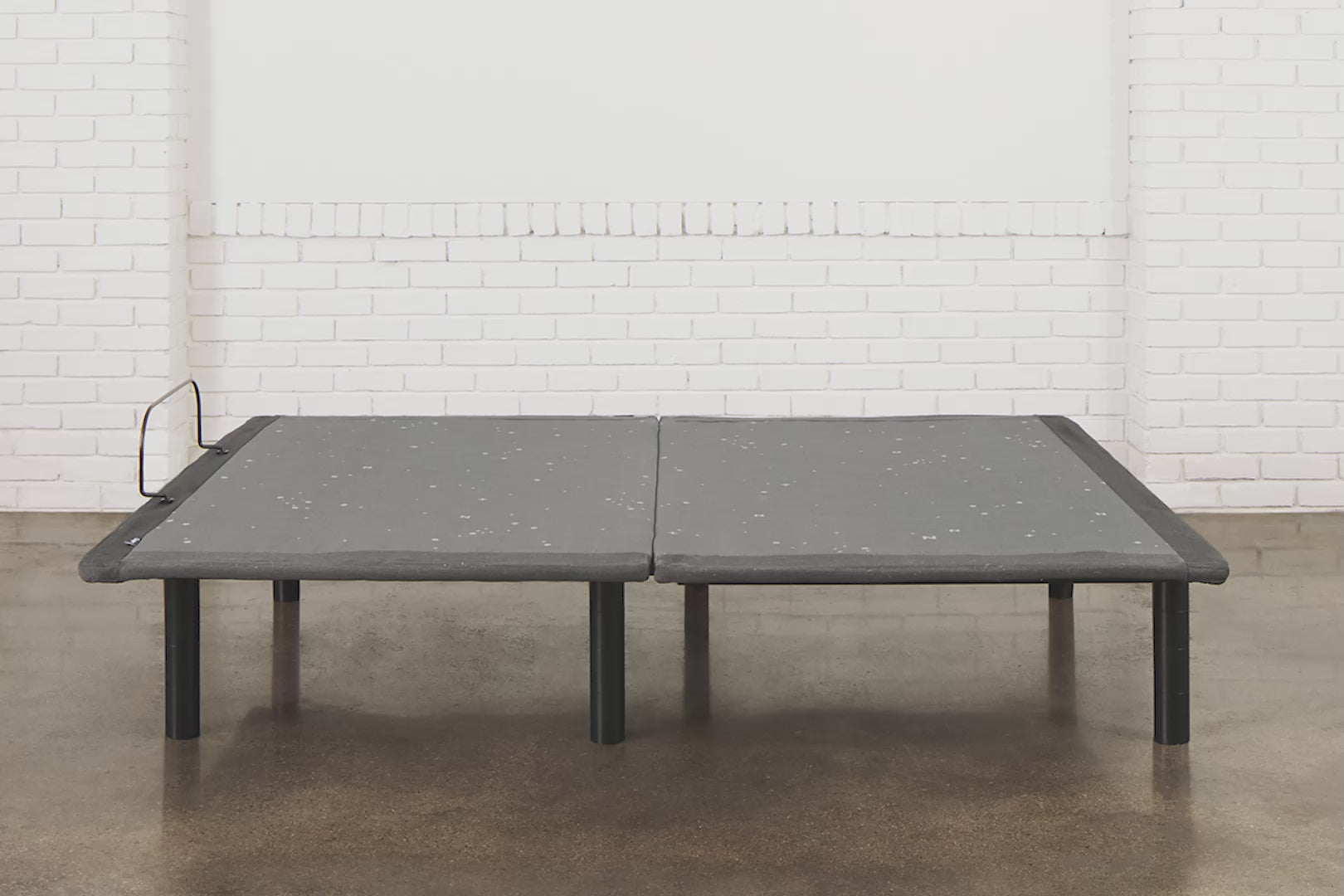
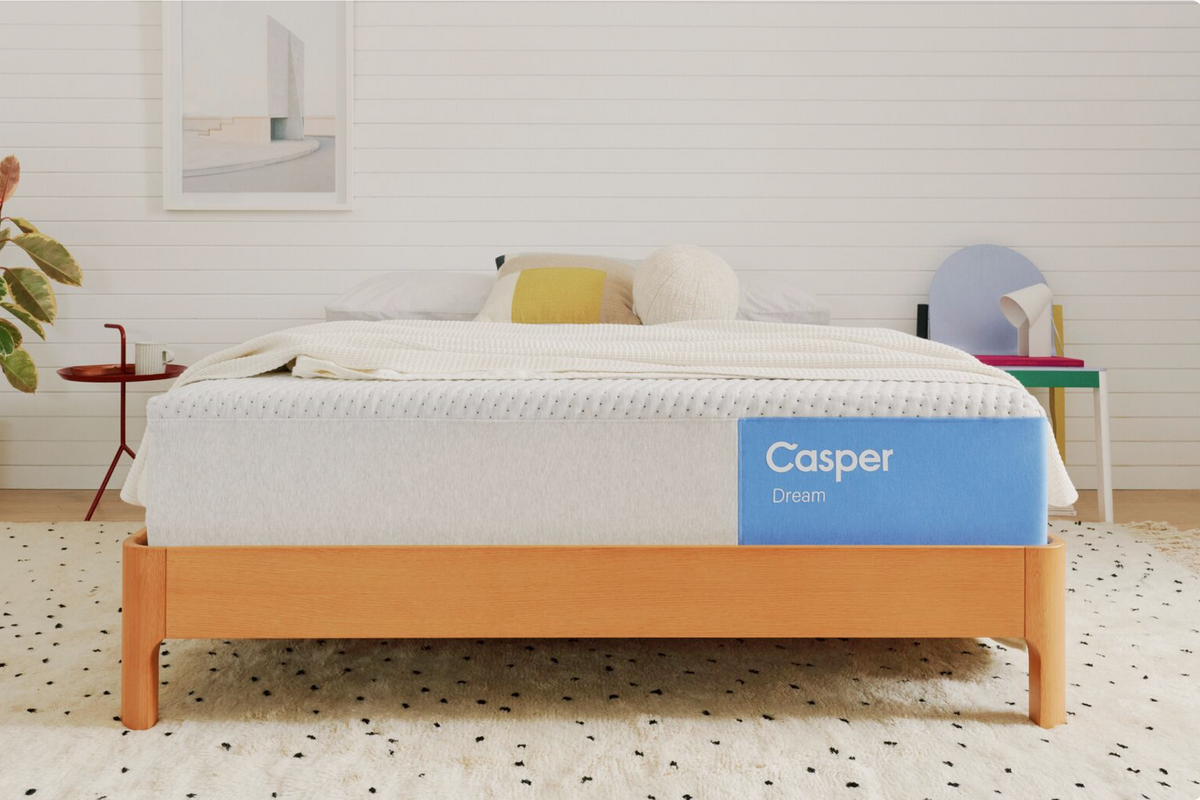
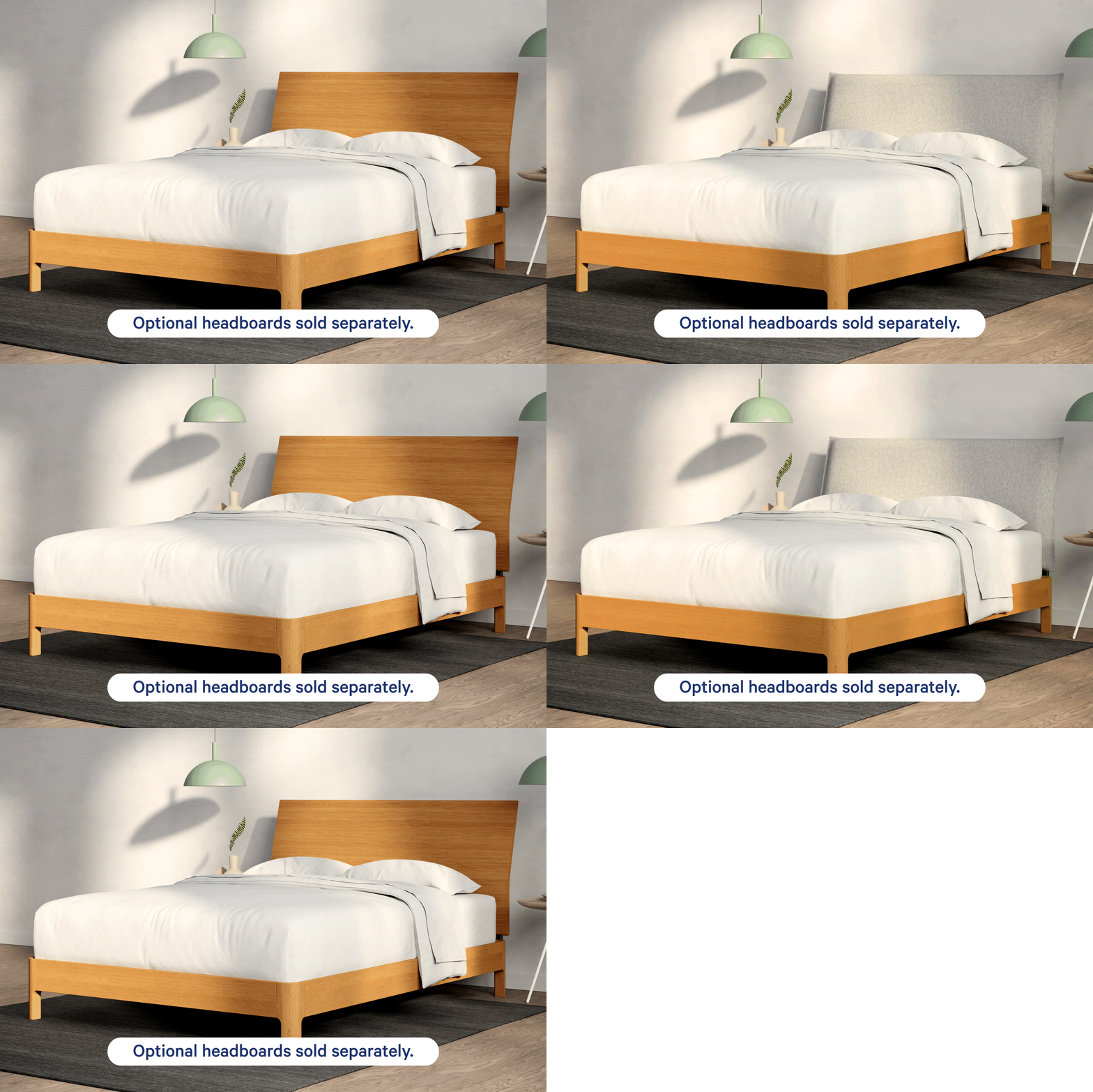
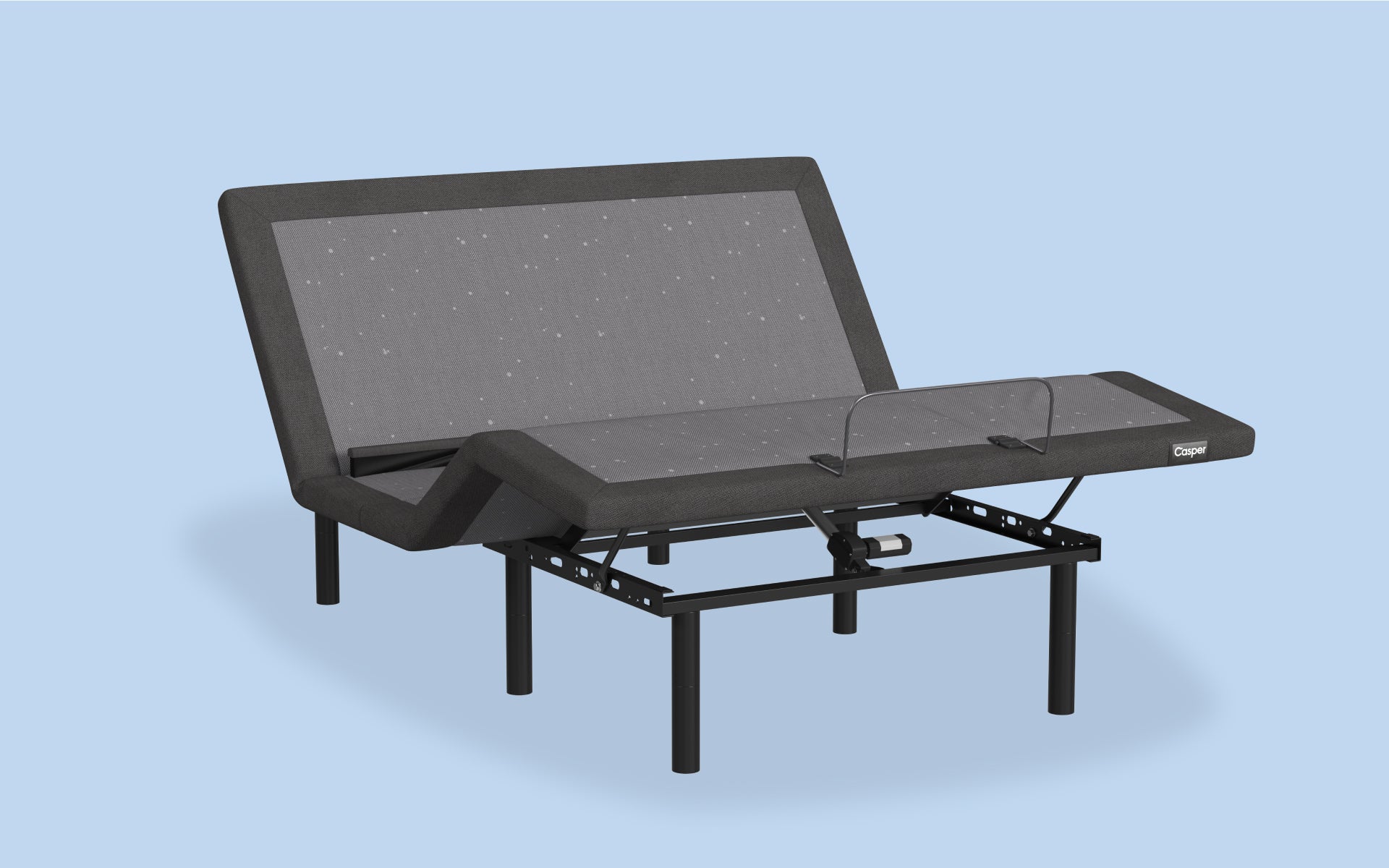
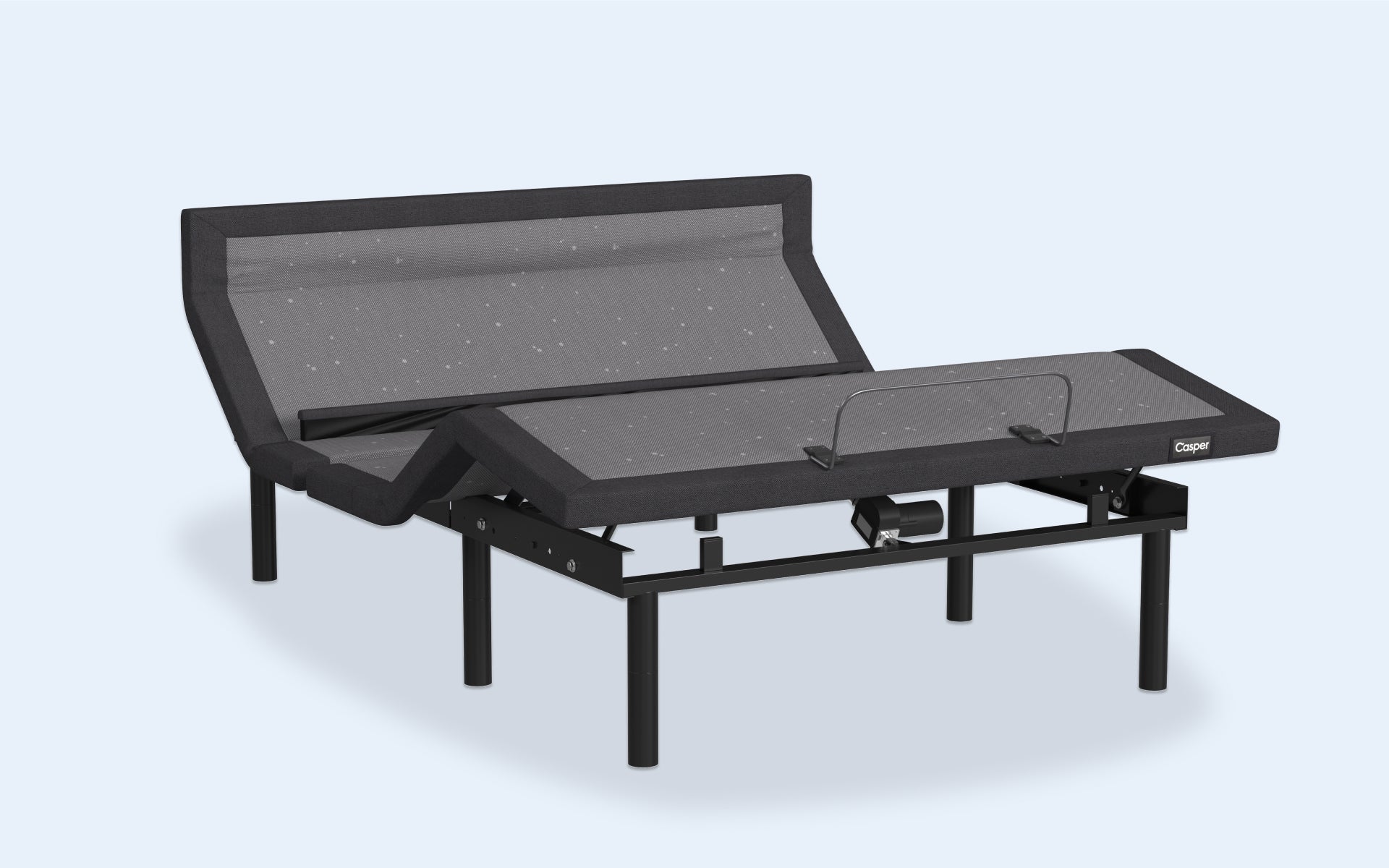
Replacing a worn frame can make a surprising difference in your sleep quality, reducing noise, preventing wobble, and helping your mattress perform at its best. Casper offers bed frames built for modern mattresses, including solidly constructed platform frames and adjustable bases that match today’s foam and hybrid designs.
If any of the seven signs above sound familiar, it may be time for an upgrade that makes every night more restful. Shop Casper today to find the best new frame for you.
Sources:
- Wired. How to Fix a Bed Frame. https://www.wired.com/story/how-to-fix-bed-frame/
- Southern Living. How Often Do You Really Need To Flip Or Rotate Your Mattress? https://www.southernliving.com/how-often-should-you-flip-or-rotate-your-mattress-11832854