













If you’re interested in a taller bed, there are ways to add height to your existing setup, like adding risers or a mattress topper, upgrading to a thicker mattress, installing a mattress foundation, switching to an adjustable base, and more.
If you’ve ever wished your bed sat a little higher (maybe to make getting in and out easier or to maximize storage), you’re in the right place. Learning how to make your bed higher doesn’t have to mean an expensive overhaul.
From quick add-ons to bigger upgrades, there are plenty of ways to give your setup a lift without losing comfort or stability. The best part? You don’t necessarily need to replace your entire bed frame to make it happen.
In this guide, we’ll break down nine ways to raise bed height, providing safety tips as well as pros and cons to consider for each method. Pick one, mix a few, or experiment until your bed height feels just right.
Use Bed Risers
If you want speed, affordability, and nearly instant height, bed risers are a go-to. They boost your frame by roughly 3 to 8 inches (some adjustable sets even go up to about 12 inches) without modifying the bed itself. Simply place one riser under each leg and enjoy the added lift.
Types of Bed Risers
Choosing the right type of riser ensures your bed remains stable and secure over time.
Plastic Risers
These are lightweight, stackable, inexpensive, and widely available. Plastic risers work best with lighter frames and foam mattresses. They’re convenient, but make sure to pay close attention to the manufacturer’s weight capacity so they don’t crack under pressure.
Wood Risers
A sturdier, more aesthetically pleasing choice, wood risers support heavier loads. Made from solid hardwood, they also offer a more cohesive look with other wood furniture pieces, and are less likely to squeak or shift.
Heavy-Duty Metal Risers
Metal risers are built for maximum strength and long-term durability. Some include rubberized bottoms for grip or textured cups to hold bed legs securely. Metal risers are ideal for larger mattresses like King or California King setups.
Whatever style you choose, the riser must match your bed leg’s shape, whether that’s round, square, angled, wide, or post-style. A tight, secure fit is essential for stability.
How to Install Bed Risers
You don’t need special tools to install risers, but you do want to work carefully:
- Remove the mattress and bedding to reduce the weight and improve access.
- Starting at one corner, lift the bed frame slightly, just enough to slide the riser underneath.
- Lower the leg into the riser’s recessed cup, making sure it’s centered and secure.
- Repeat on all other corners, keeping the height consistent.
- Once finished, gently rock the frame to ensure there’s no wobble.
If your frame has angled or decorative legs, double-check that they sit flush inside the riser. Anything that leans or feels uneven isn’t safe for long-term use.

Add a Mattress Topper
A mattress topper won’t transform a very low bed into a tall one, but it will add a few inches of height (usually between 2 and 4 inches) while also improving comfort. This option is ideal for sleepers who want a little lift and a softer, plusher surface.
Toppers come in several materials, each with its own personality:
- Memory foam – Contours to your body for cushioned support
- Latex – Springy and responsive, great for people who turn frequently
- Down alternative – Lightweight, plush, and breathable
- Fiberfill or quilted toppers – For added loft without dramatically changing firmness
A topper is also one of the easiest upgrades to remove or swap out later if your needs change.
Upgrade to a Thicker Mattress
If your mattress is older and thinner or simply not your style anymore, upgrading to a thicker profile is a simple way to increase bed height. Most modern mattresses range from around 8 inches to 14 or even 20 inches, giving you a noticeable boost.1
A thicker mattress also provides:
- More contouring
- More visual presence in the room
- A softer landing when you sit down
- A higher overall sleep surface
This approach keeps your frame and foundation exactly as they are. Just make sure your new mattress is compatible with your existing base, especially if you use an adjustable base or slatted frame.
Install a Mattress Foundation
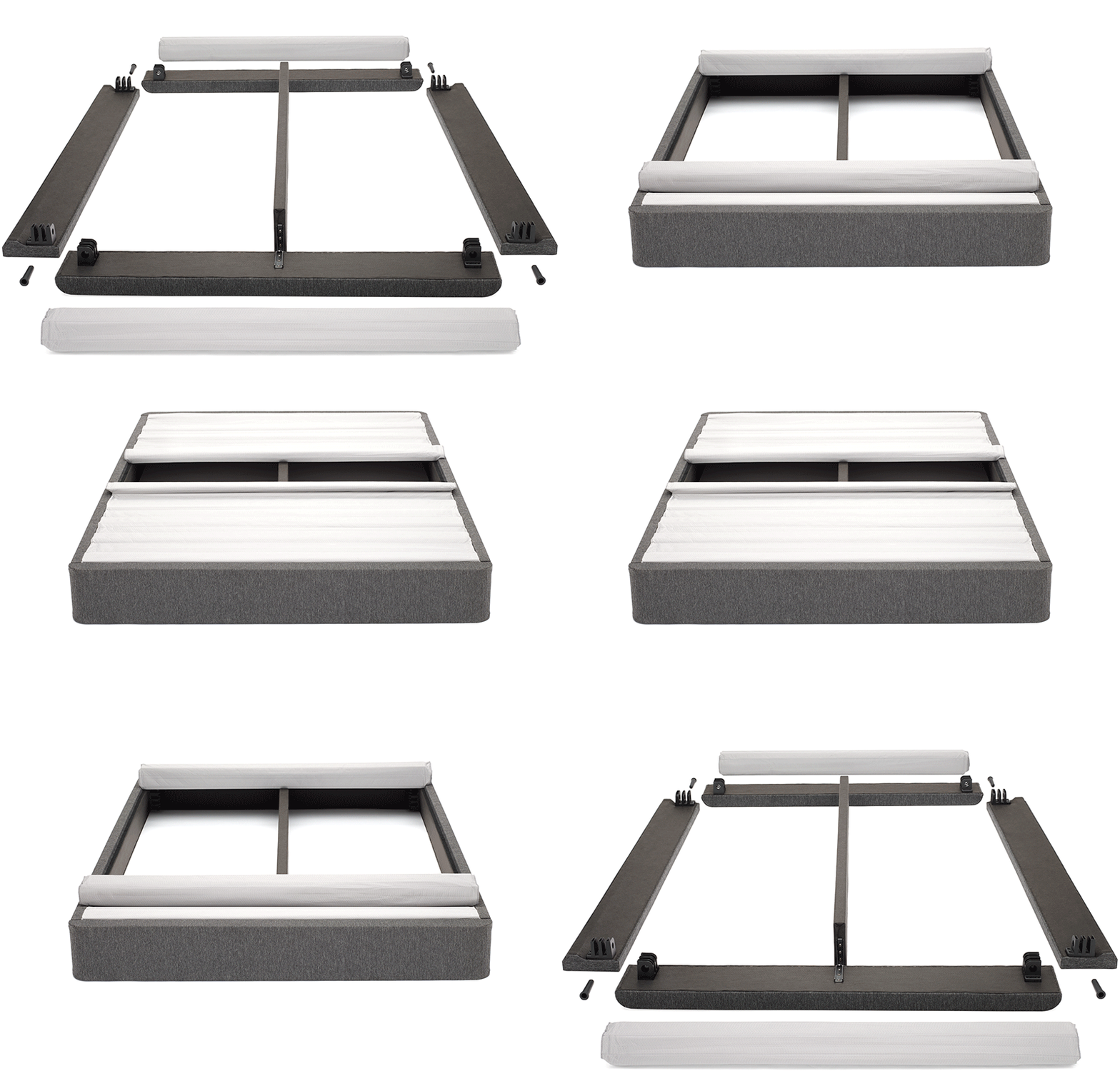
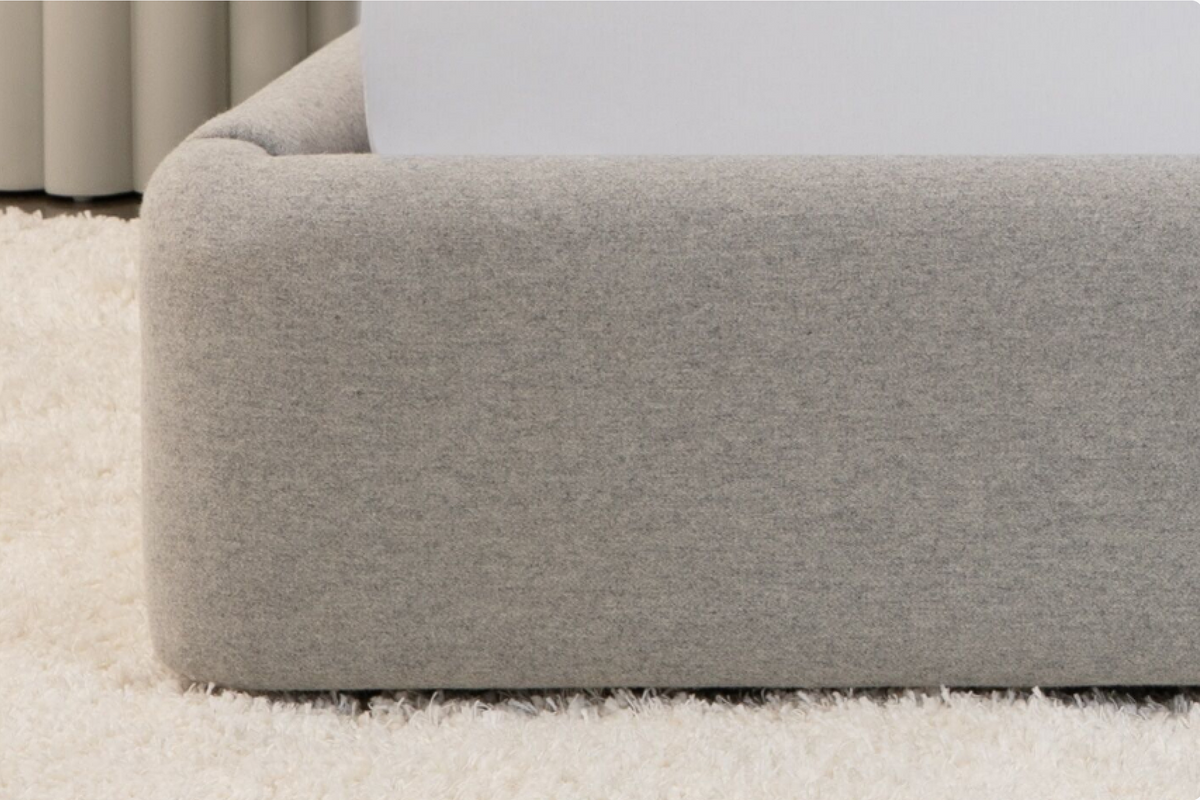
If you want height and support in one upgrade, a mattress foundation is a reliable option. Foundations typically add 4 to 9 inches of lift, depending on the style you choose.
Here’s exactly how foundations help:
- They raise your mattress off the frame.
- They provide even support across the entire surface.
- They can extend the life of foam or hybrid mattresses.
If you currently have a lower-profile bed frame, especially a minimalist one, a foundation can provide a more traditional height that many people find easier to get in and out of.

Switch to an Adjustable Bed Base
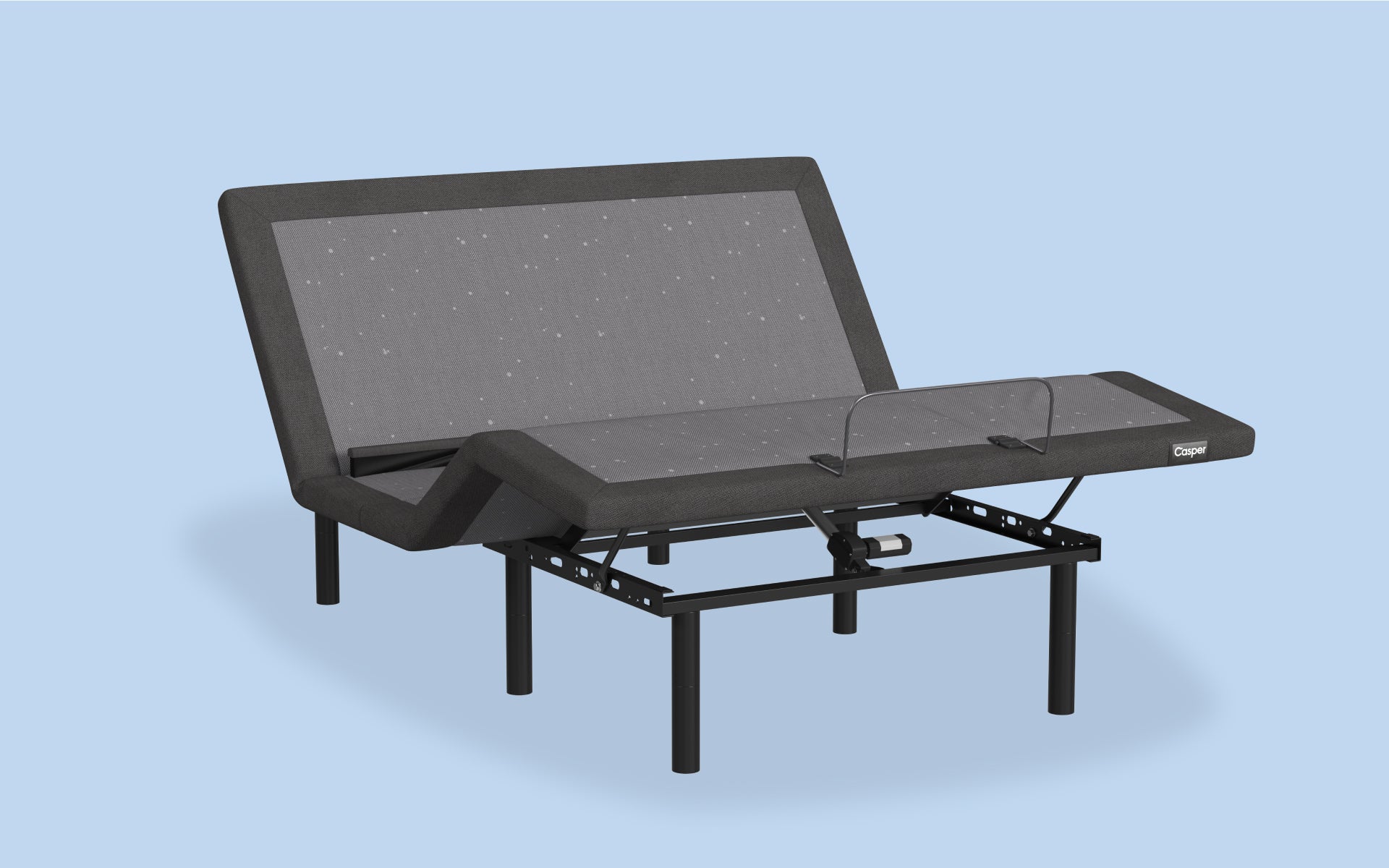
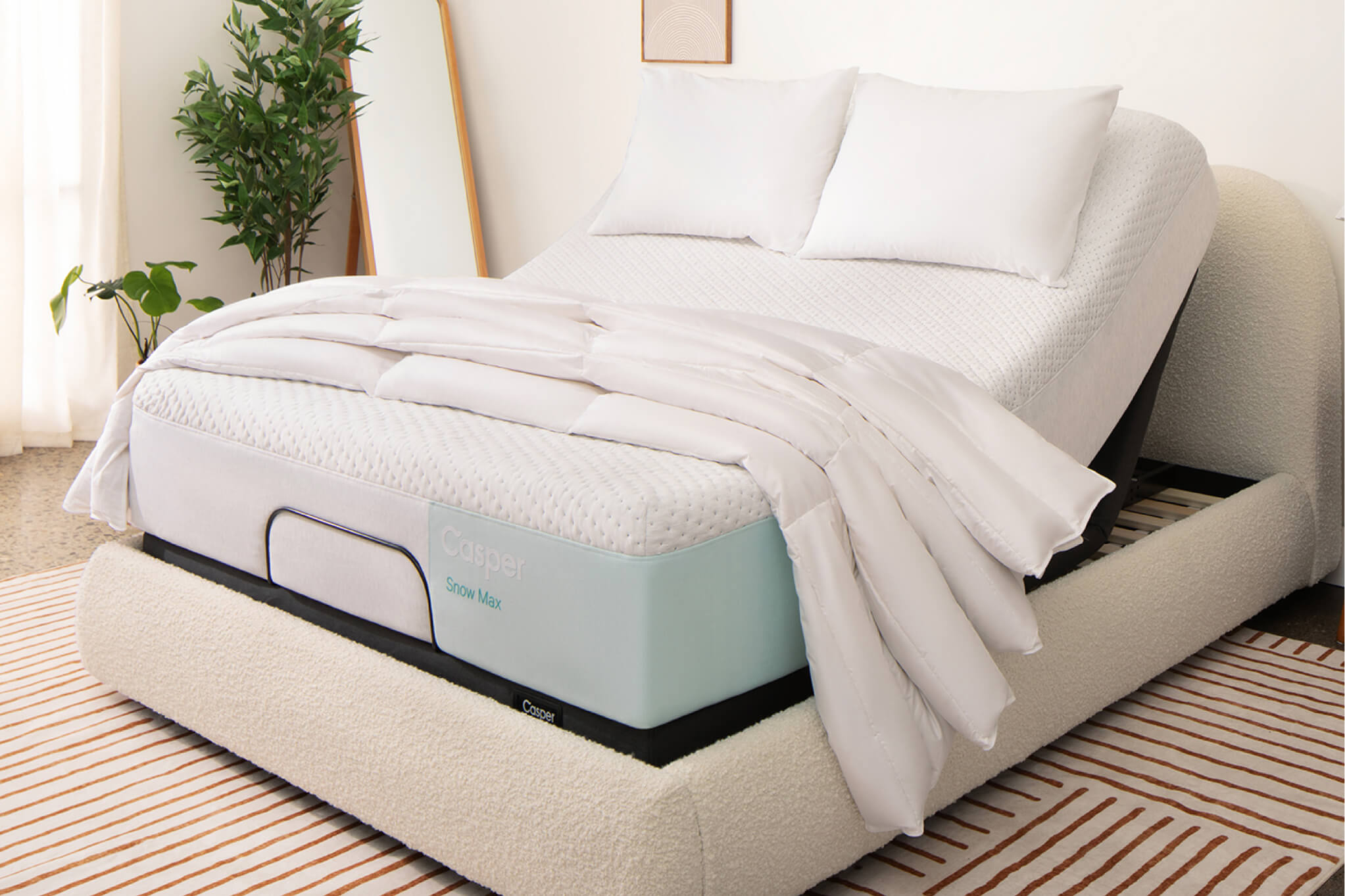
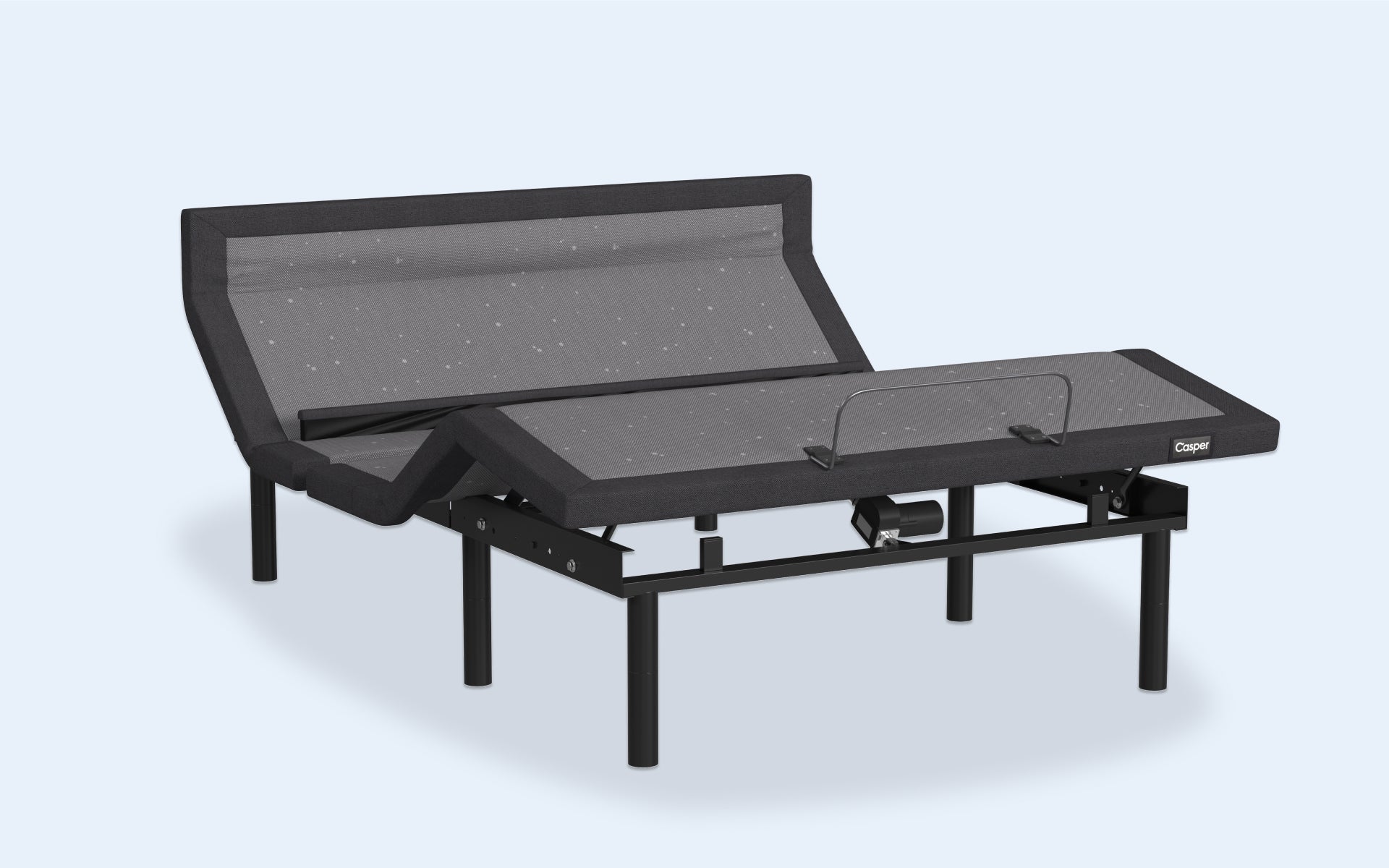
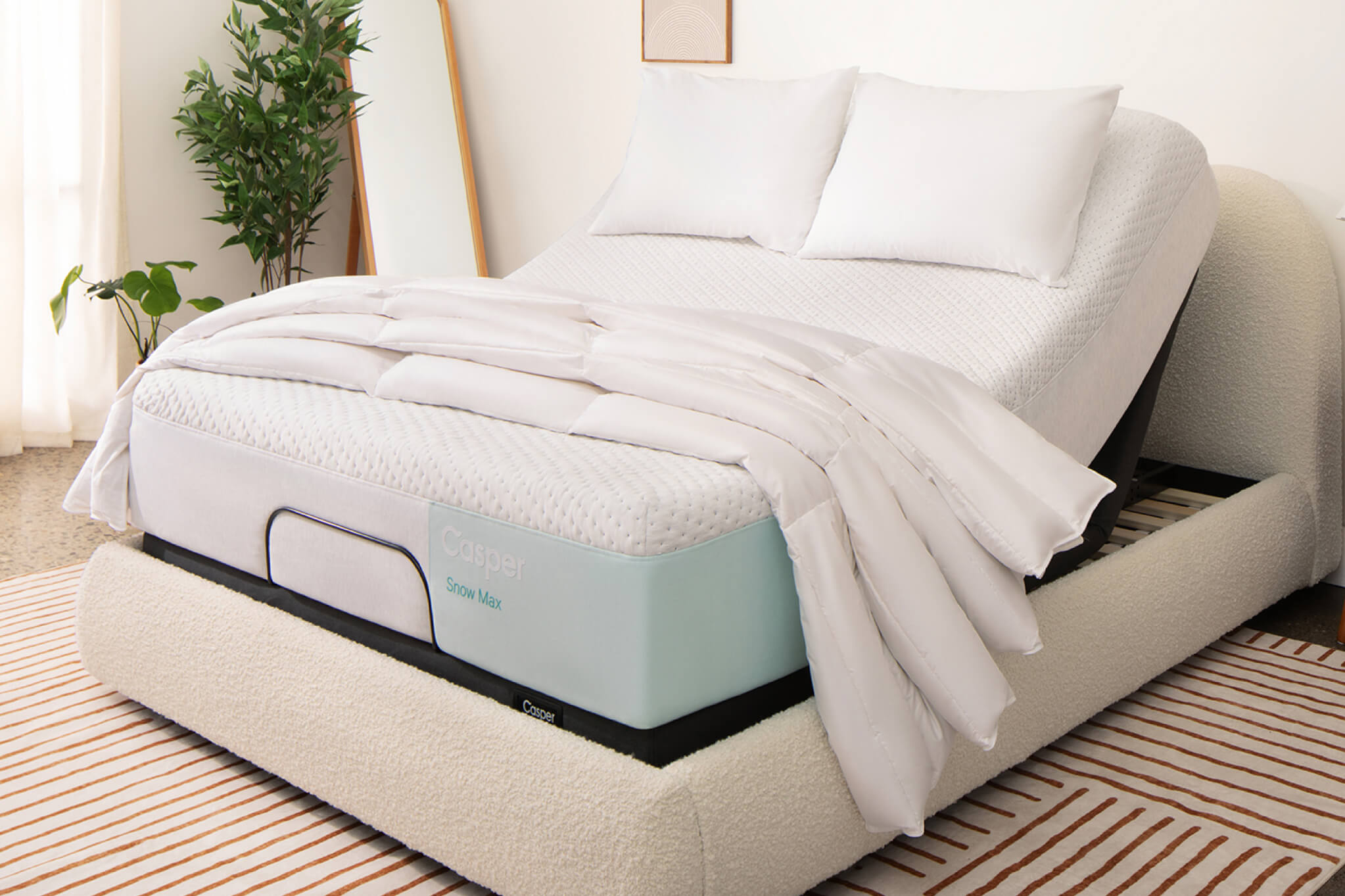
Adjustable bed bases do more than raise your bed; they give you custom height and custom angles. Many offer leg segments that allow you to choose between heights like 3, 6, or 9 inches. This is especially helpful if you’re experimenting to find your ideal setup.
Beyond height flexibility, adjustable bases offer plenty of other benefits:
- Head and foot incline for reading or relaxing
- Zero-gravity presets to reduce pressure
- Massage settings
- Anti-snore positions
- Wireless remote or app control
If you’ve been considering an adjustable base already, the height personalization may make the upgrade even more appealing.
Add Caster Wheels to the Frame
Caster wheels are a clever way to raise your bed 1 to 5 inches while adding mobility. They’re especially practical for people who frequently clean under their bed or rearrange furniture.
Specifically, look for:
- Locking casters to keep your bed from shifting
- High weight ratings that are suitable for your mattress type
- Stem or plate mounts that match your frame’s leg design
Casters work best on simple metal bed frames or frames with straight wooden posts. They’re a functional, low-visibility upgrade that gives your bed extra height and flexibility.
Use a Bed Wedge for Head-Only Lift
If you don’t want to raise the entire bed, consider lifting just the head. A bed wedge slides under the top portion of your mattress, creating a gentle incline that offers comfort benefits without modifying your furniture.
A wedge can help with2:
- Snoring
- Acid reflux
- Shoulder or upper-back tension
- Breathing comfort
- Upright reading or lounging
This isn’t a full height adjustment, but it’s great for sleepers seeking targeted elevation rather than more under-bed clearance or visual height.
Build DIY Bed Risers (With Care)
If you want a custom approach (and you’re handy with tools), DIY risers can provide a strong and stylish solution. Just make sure safety remains the top priority.
Concrete Block Option
Concrete blocks offer exceptional strength and a no-nonsense industrial look. To use them safely:
- Select blocks with smooth, intact surfaces
- Sand sharp edges
- Paint or seal them if desired
- Use felt pads underneath to protect your flooring
- Ensure the bed legs sit firmly inside the block or on a flat surface
Concrete provides extreme stability, but it’s heavy, so measure carefully before committing.
Wood Block Option
Wood risers can blend seamlessly with your bedroom furniture when built well. To ensure safe construction:
- Cut 4x4 lumber to your desired height
- Drill a centered recessed cup to cradle the leg
- Add a wider bottom plate for stability
- Sand thoroughly to avoid splinters
- Finish with pain or stain
Done correctly, DIY wood risers can look custom-made. If anything feels wobbly, turn to store-bought risers for a safer option.

Replace the Frame with a Taller Platform Bed
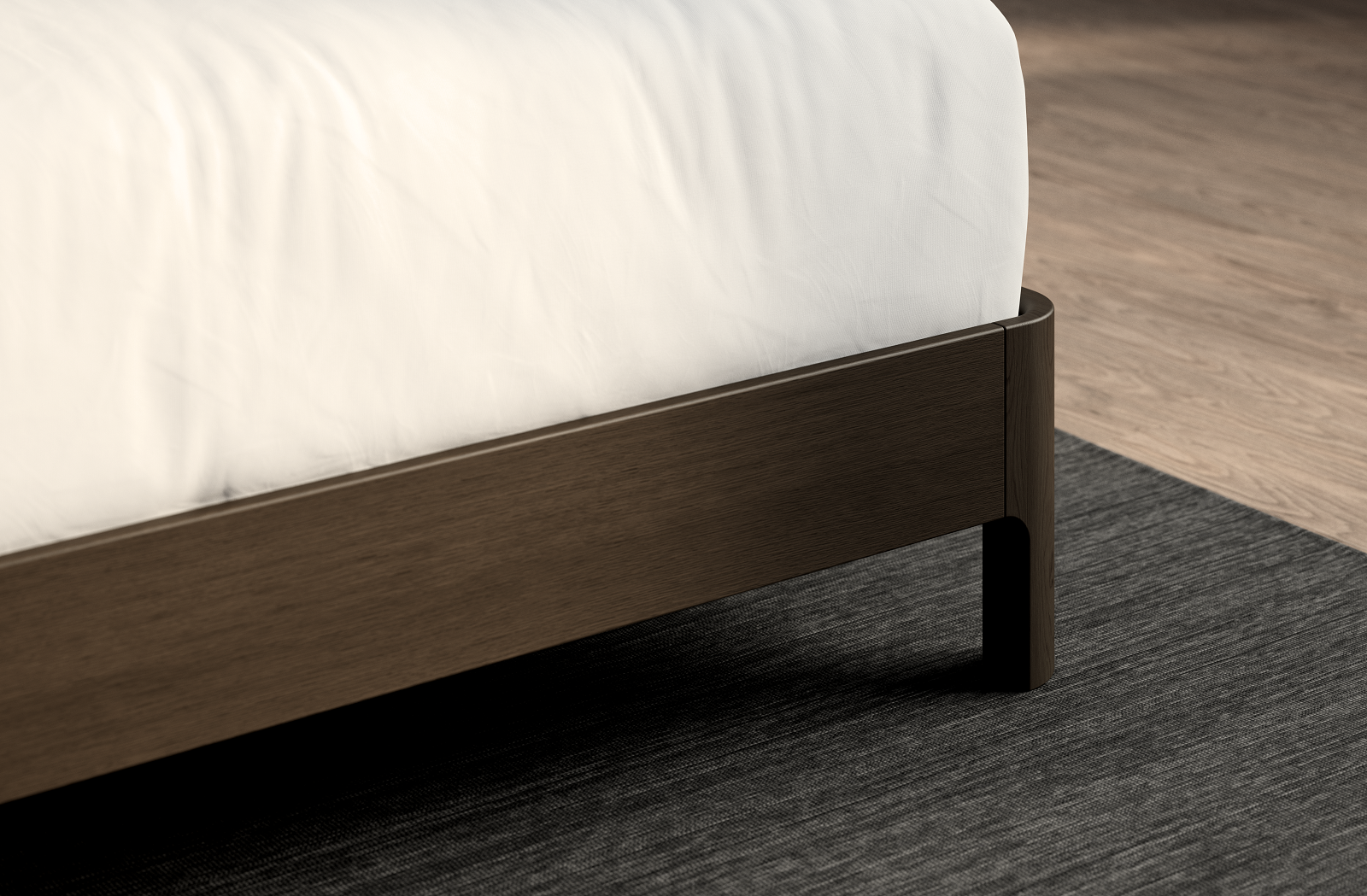
If your current bed sits too low or isn’t delivering the look or support you want, replacing it with a taller platform bed may be the long-term, furniture-level upgrade you need. Platforms come in a wide range of heights and styles, from minimalist solid bases to luxurious storage beds with deep drawers.
Advantages include:
- Permanent height (no accessories required)
- Built-in stability
- Added storage underneath or within drawers
- A cohesive, elevated bedroom aesthetic
Ultimately, a taller platform can give your entire setup a fresh start.
Important Safety and Stability Tips
A higher bed should still feel strong and safe. Keep these guidelines in mind while making any of the above adjustments:
- Always raise all corners evenly
- Match risers to your frame’s leg shape and size
- Verify the combined weight limit (frame, mattress, and sleepers)
- Avoid very tall risers with angled legs, which can slide
- Test stability after each adjustment
- Use locking casters if adding wheels
- If anything rocks, wobbles, or tilts, stop and reassess
Remember: Your bed should feel secure no matter how high you raise it. Always make sure it’s stable before you tuck in for a snooze.
Discover Casper Mattresses and Bed Frames
If you’re ready to raise your bed (and refresh your comfort at the same time), Casper makes it easy. Our lineup of thicker mattresses, supportive foundations, adjustable bases, and taller platform bed frames gives you plenty of ways to find the height that feels just right.
Whether you’re looking for a simple lift or a more transformative upgrade, the right combination of height and support can make your entire sleep setup feel new again.
With Casper, you can build a bed that’s elevated, well-supported, and tailored to the way you live and rest every day.
Sources:
- Sleep Report. Mattress Thickness, Does Depth Matter? Which Is Best? https://sleep.report/mattress-thickness/
- Medical News Today. Who can benefit from sleeping on an inclined bed? https://www.medicalnewstoday.com/articles/inclined-bed