





Updated Aug 13, 2026
Like tasting a fine wine before ordering the whole bottle, you deserve to be sure of a meaningful investment—especially when investing in your comfort and sleep. As such, before you decide on a new mattress type, it’s essential to test its comfortability, support, and breathability before committing to a decade of tossing and turning.
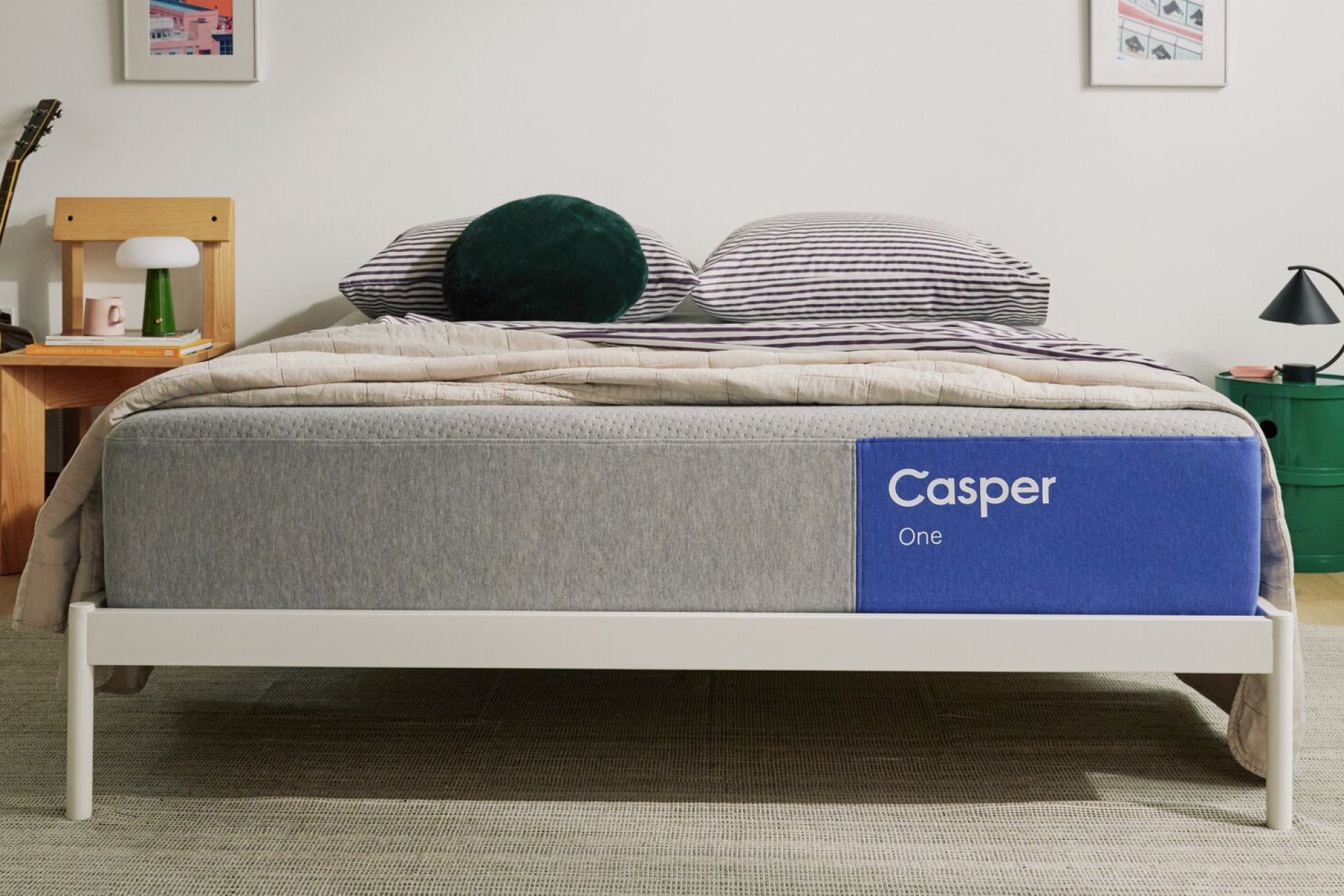
While you can take to a mattress store to start testing mattresses, Casper also offers a 100-night risk-free trial for online purchases to help you and your test mattress become intimately acquainted.
Whether you’re buying in-store or online, testing out your future bed before buying is a must.
In this mattress expert guide, we’ll outline a few simple tips for how to test a mattress before buying to ensure you get the marshmallow-soft springiness, cool temperature control, and dependable back support you’ve dreamed of.
Is It Better To Test At Home or In Store?
So, is it better to test a mattress at home or in a store? Ultimately, that depends on your personal preferences. While an at-home trial may provide you with more privacy, comfort, and time with the bed, the sleep specialists at our Casper Sleep Shops can help you identify exactly what you’re looking for.
How to Test a Mattress At Home
With Casper’s speedy home delivery and 100-night trial period, testing your future bed in the familiarity of your home has never been easier. Wondering how to test mattress firmness and compatibility at home? You can:
- Take a bonafide snooze on your mattress for a clear impression of how your sleeping body feels before, during, and after a respite.
- See how your mattress visually fits into your space and confirm your current frame or box spring pairs well.
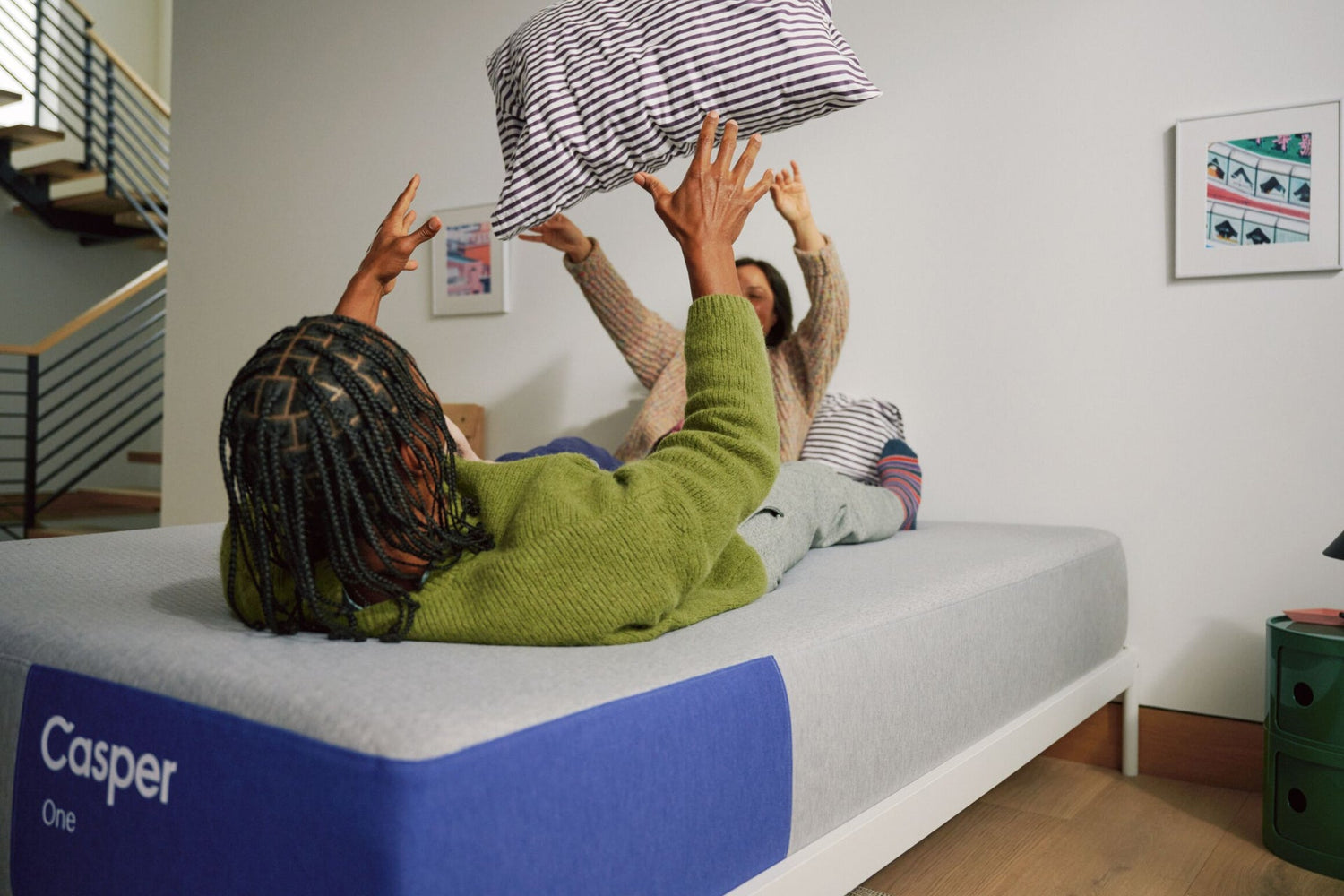
- Share your mattress trial with a fuzzy pet or family to prove its merit as a spacious hang-out zone.
How to Test a Mattress In Store
Casper Sleep Shops can be found across the country and offer the eager sleeper a chance to cut their shipping time in half. To learn how to test a mattress in the store, visit one of our outlets where you’ll:
- Enjoy the perks of having a whole range of mattress styles at your fingertips, making it possible to test the lot and weigh your options.
- Glean advice and testimonials from our sleep specialists who help you choose a mattress for the best mattress cost.
- Walk out with your new mattress that same day, so you no longer impatiently dream of better sleep.
- Book a nap appointment with our sleep specialists, so you can get a taste of an overnight trial.

How to Tell if a Mattress is Good Quality
Good quality sleep is dependent on a good quality mattress. When testing bedtime contenders, consider the following factors for your bed base:
Materials
Mattresses are made from a variety of materials, including latex, memory foam, and springs. Overall, memory foam mattresses are considered to be the most comfortable materials because they mold to your body type to provide a snug sleep. However, if you’re looking for a longer-lasting mattress, a resilient latex mattress may be your best choice. They’re also bouncy and won’t cause you to sink if you’re looking for more support and pressure relief. An innerspring mattress is perhaps the most supportive, but not as plush as other mattress types.
Support
Everyone sleeps differently—while some may opt to slumber on their sides, others prefer to lie on their stomachs or backs. Your unique sleeping position will determine the mattress type that’s best for you.
- Back sleepers will benefit from a foam mattress or hybrid mattress
- Side sleepers should look for mattress thickness, plush, and soft materials.
- Stomach sleepers will benefit from more firm mattress types.1
Edge support is another important factor to consider when testing mattresses. Sit and lie near the edge of the mattress to see how well it supports your weight without excessive sinking. No matter what mattress firmness or material you choose, adequate support is essential to a quality mattress.
Breathability
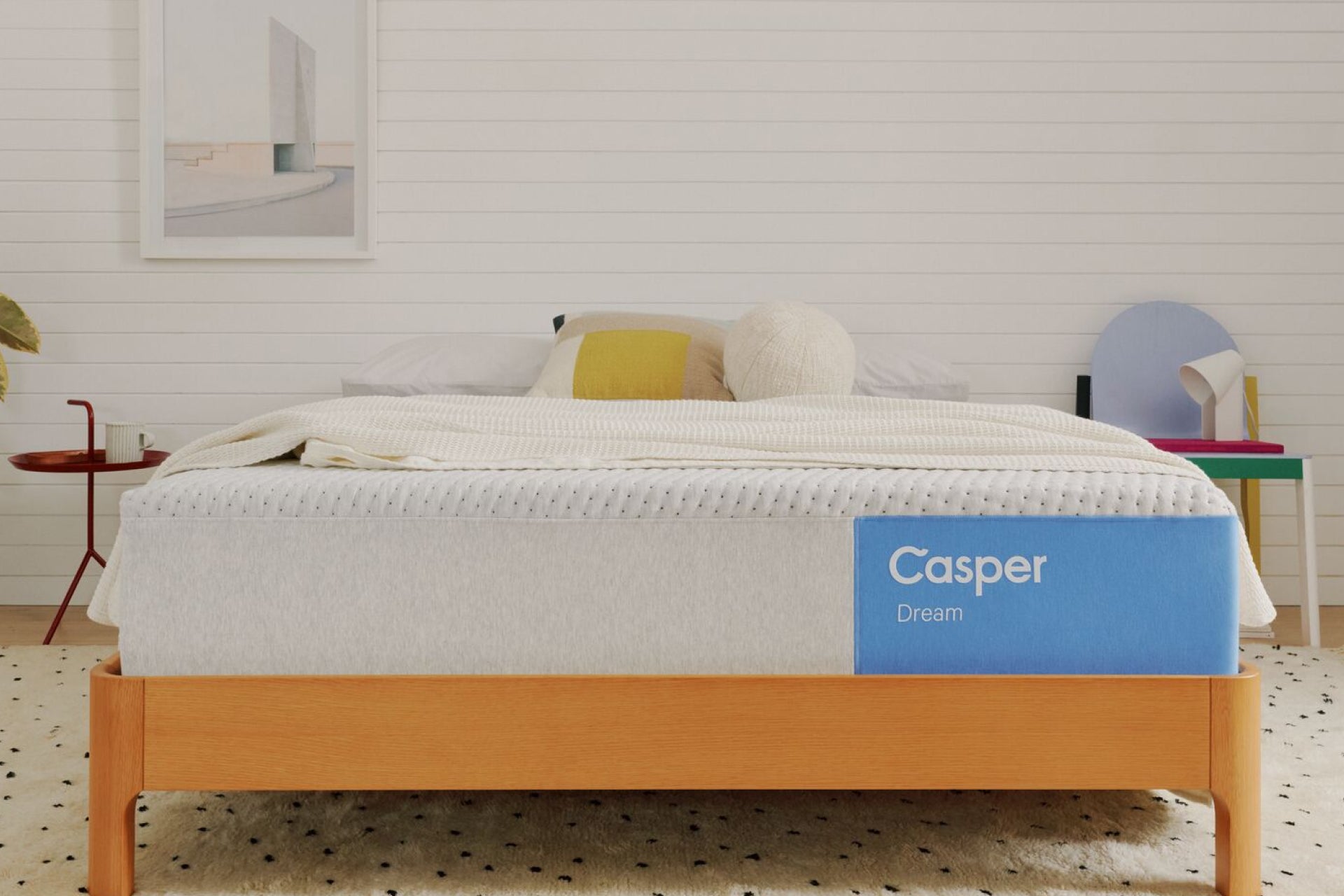
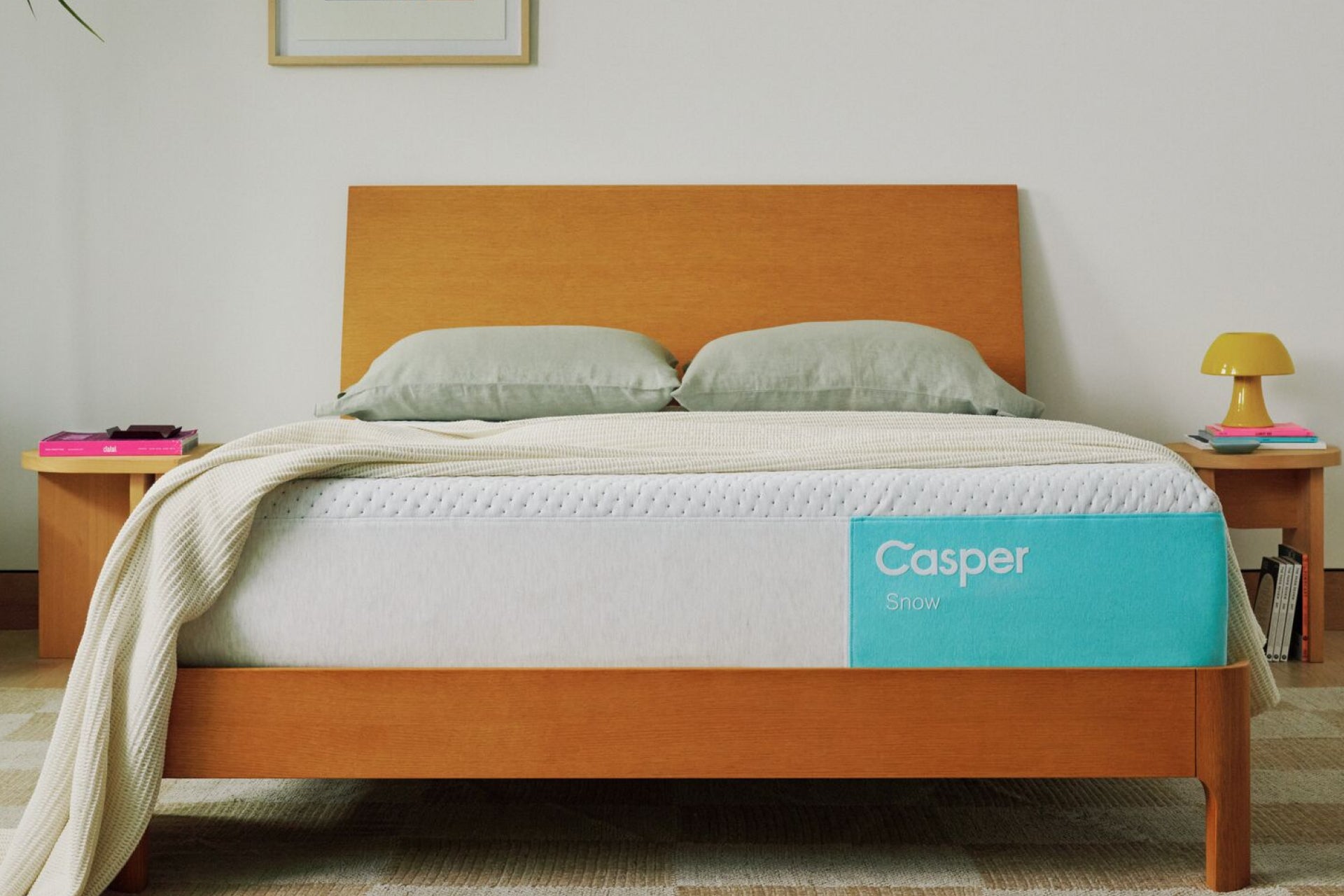
Some prefer their bed to be blissfully balmy, while others need constant cool to achieve deep rest. Check your mattress for cooling features to keep your nights comfortable no matter your preference. A hybrid mattress provides maximum airflow, like Casper’s Dream, Snow, and Snow Max mattresses.
You can also take Casper’s mattress quiz to explore your sleeping habits and find your perfect mattress match before visiting us in-store or online.
Motion Isolation
If you sleep next to someone, motion isolation can have a major impact on your sleep quality. A mattress with good motion isolation helps reduce movement across the sleep surface, so you’re less likely to feel your partner tossing, turning, or getting out of bed throughout the night.
Memory foam and many hybrid mattresses tend to perform especially well in this area. When testing a mattress, have a partner move around on one side while you lie on the other to see how much motion transfers across the bed.
How Should You Lay On A Mattress To Test It?
Once you’ve factored in a mattress’ materials and support elements, it’s time to lie atop its pillowy top to see if it’s a fit. Whether you’re testing a mattress at home or in-store, you’ll want to follow these mattress expert steps:
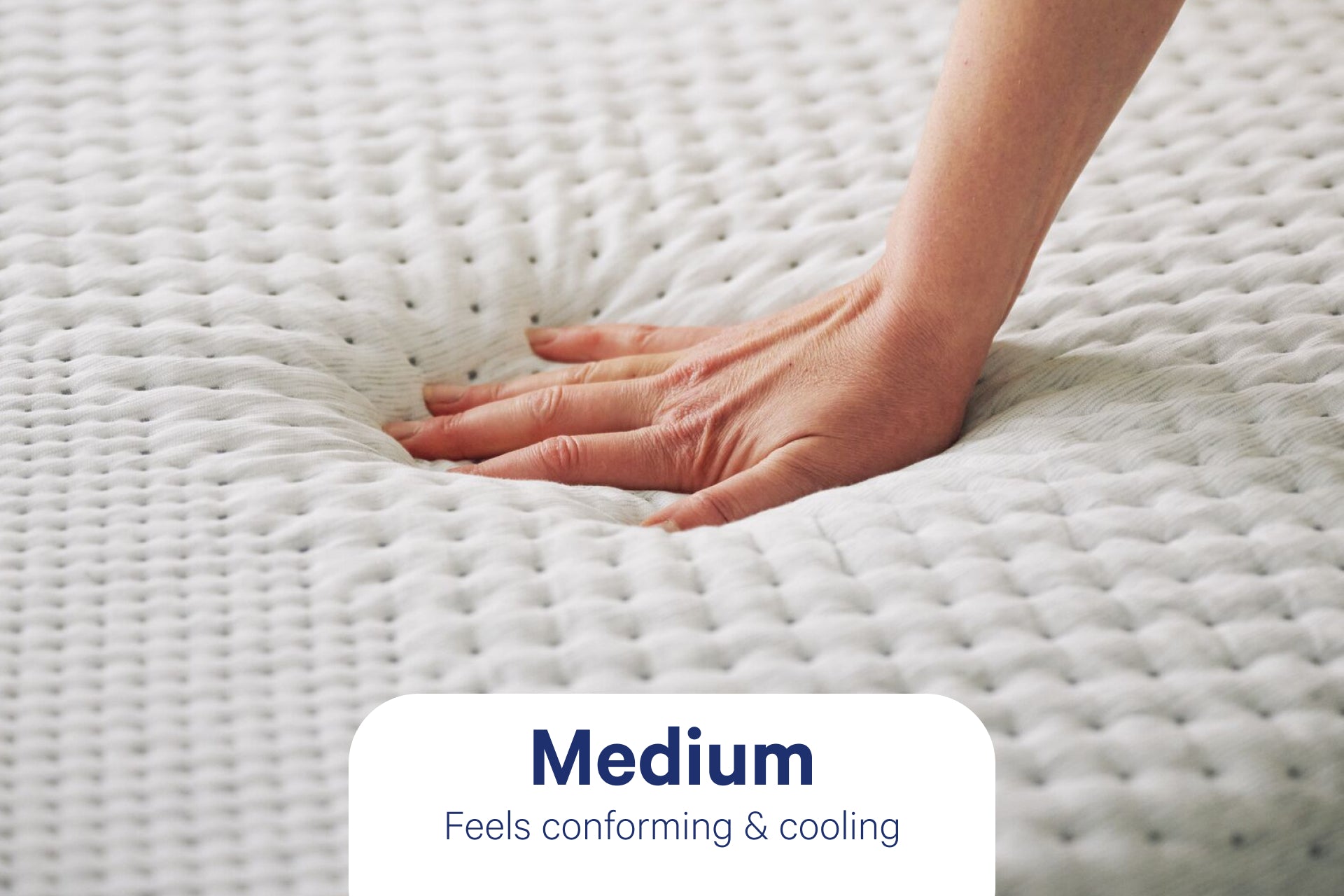
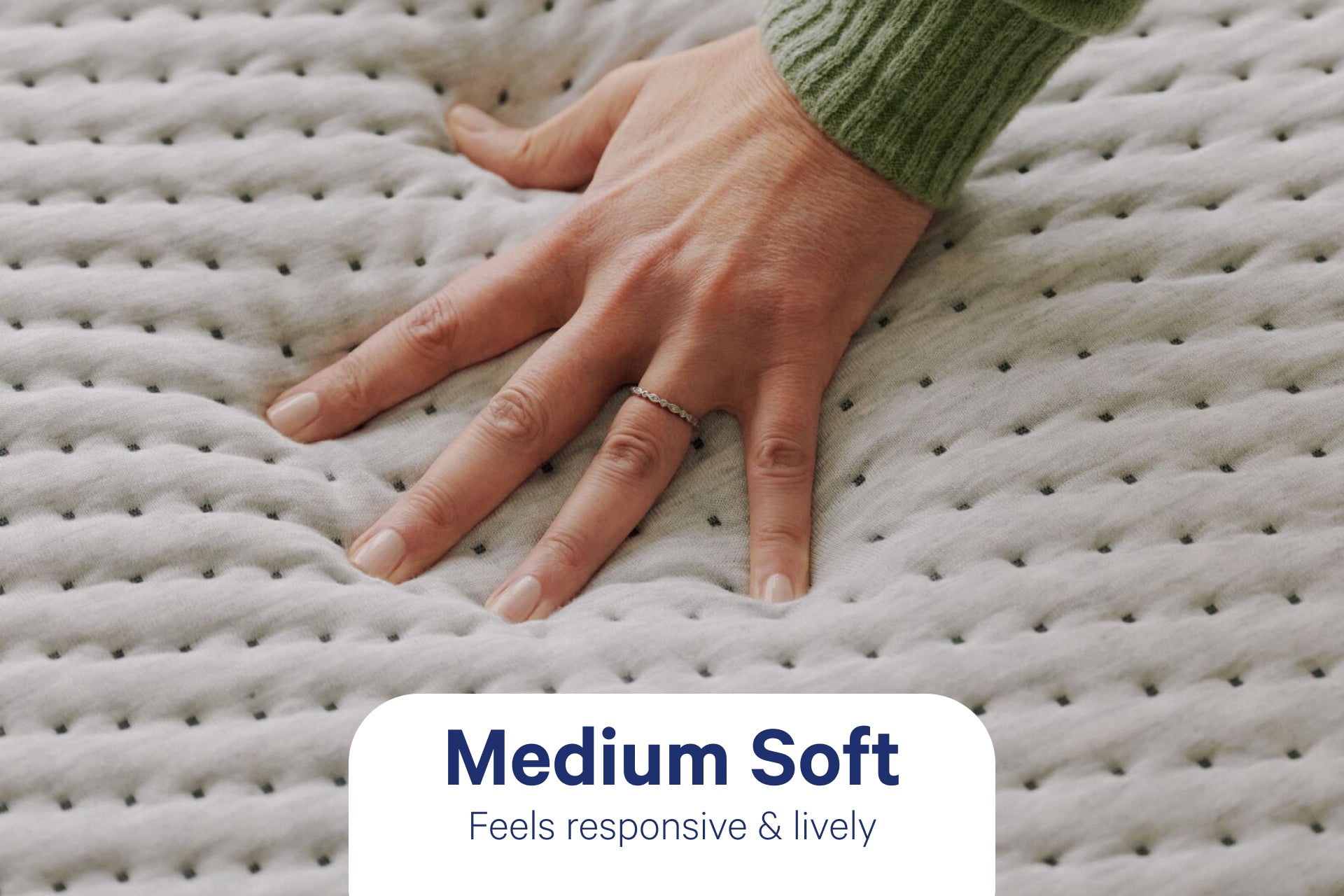
- Step 1 – Lie on your trial mattress for at least 20 minutes. This gives your body time to fully acclimate, settle into the material, and test its firmness. You’ll be able to gauge any pressure points, and hopefully, you’ll feel your body naturally melt into a comfortable, stress-free position that supports your Zs.
- Step 2 – Be sure you lie the same way you sleep. Whether on your side, stomach, or back—your mattress should cradle you naturally in whatever shape you gravitate towards. If you’re in the store, try mimicking the position you sleep in. At home, you can enjoy the benefit of an actual catnap.
- Step 3 – If you share a cozy bed with other sleepers like pets or humans, you’ll want to be sure there’s enough room for you and your bedfellows to luxuriously sprawl. Bring a partner to the store for testing or invite them over for at-home lounging.
Take a Sleep Walk with Casper
For cloud-like softness and a dreamy slumber, look for a mattress that supports your pain points, shapes to your sleeping style, and provides adequate airflow. The best way to identify a winner is to test it in-store or at home yourself.
Engineered with memory foam, breathable materials, and ergonomic support, Casper mattresses are made for top-quality sleep. Whether you’re opting for our online trial or an in-store catnap, you can rest assured that the decision you make is the right one.
Elevate every step of the journey toward better sleep with Casper.
FAQs
How long should I test a mattress at home before deciding?
Most sleepers need at least 30 days to adjust to a new mattress. While some mattress companies offer shorter trial periods, longer mattress trial periods give your body time to adapt and help you determine whether the mattress truly provides the comfort and support you need.
What is the best way to test a mattress?
The best way to test a mattress is to lie on it in your normal sleep position for at least 10 to 15 minutes. Pay attention to comfort, support, pressure relief, and spinal alignment. If possible, test the mattress both in-store and at home through a sleep trial.
How often should I replace my mattress?
So, how often should you replace your mattress? Most quality mattresses last between seven and 10 years, though lifespan varies by mattress type, materials, and usage. If your mattress is sagging, causing discomfort, or no longer supporting your body properly, it may be time to start shopping for a new mattress.
Do I need to test a mattress before buying?
While it’s possible to buy a mattress without testing it first, trying a mattress can help you find the right mattress for your sleep position, body type, and comfort preferences. If you purchase online, look for a mattress with a generous sleep trial and return policy.
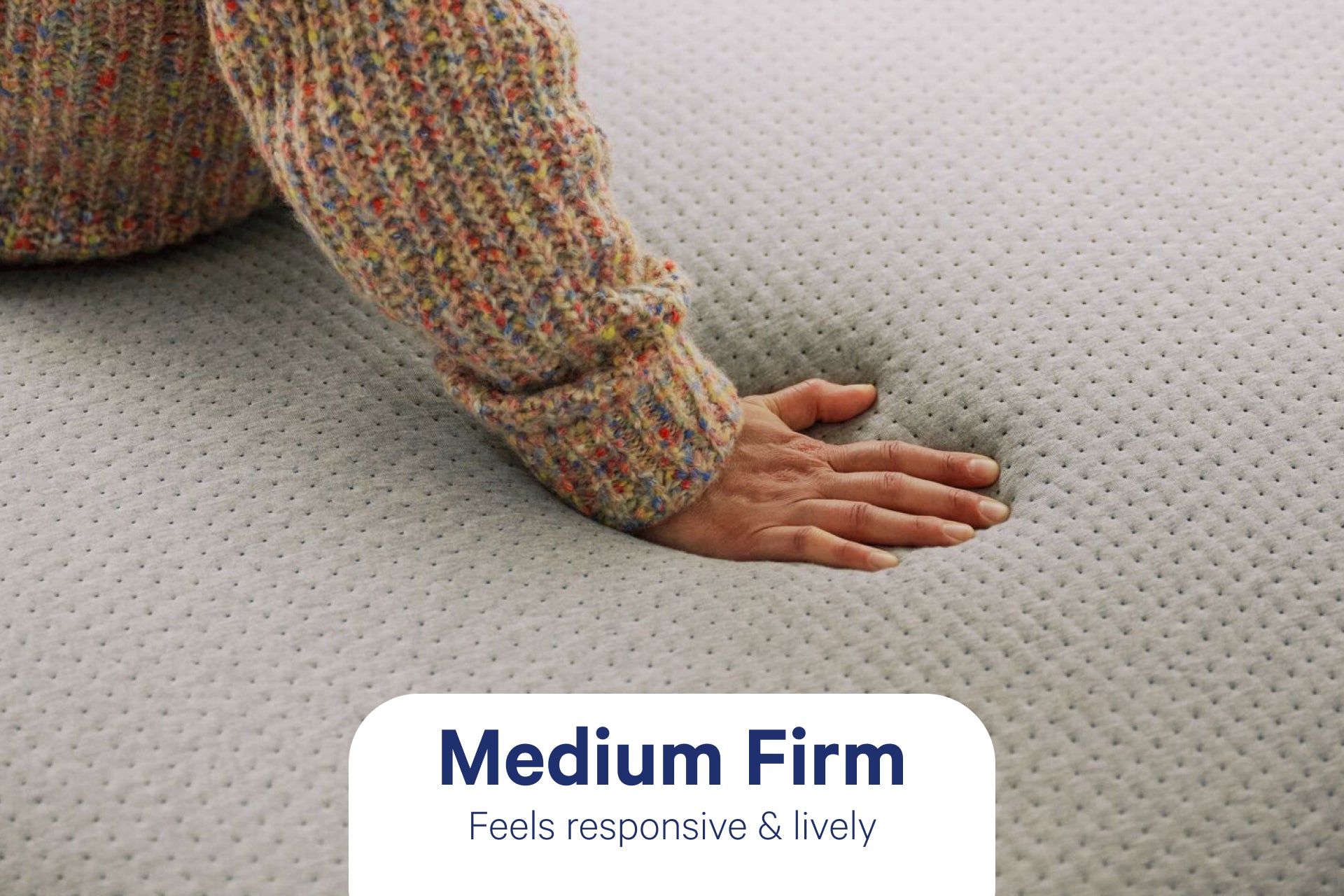
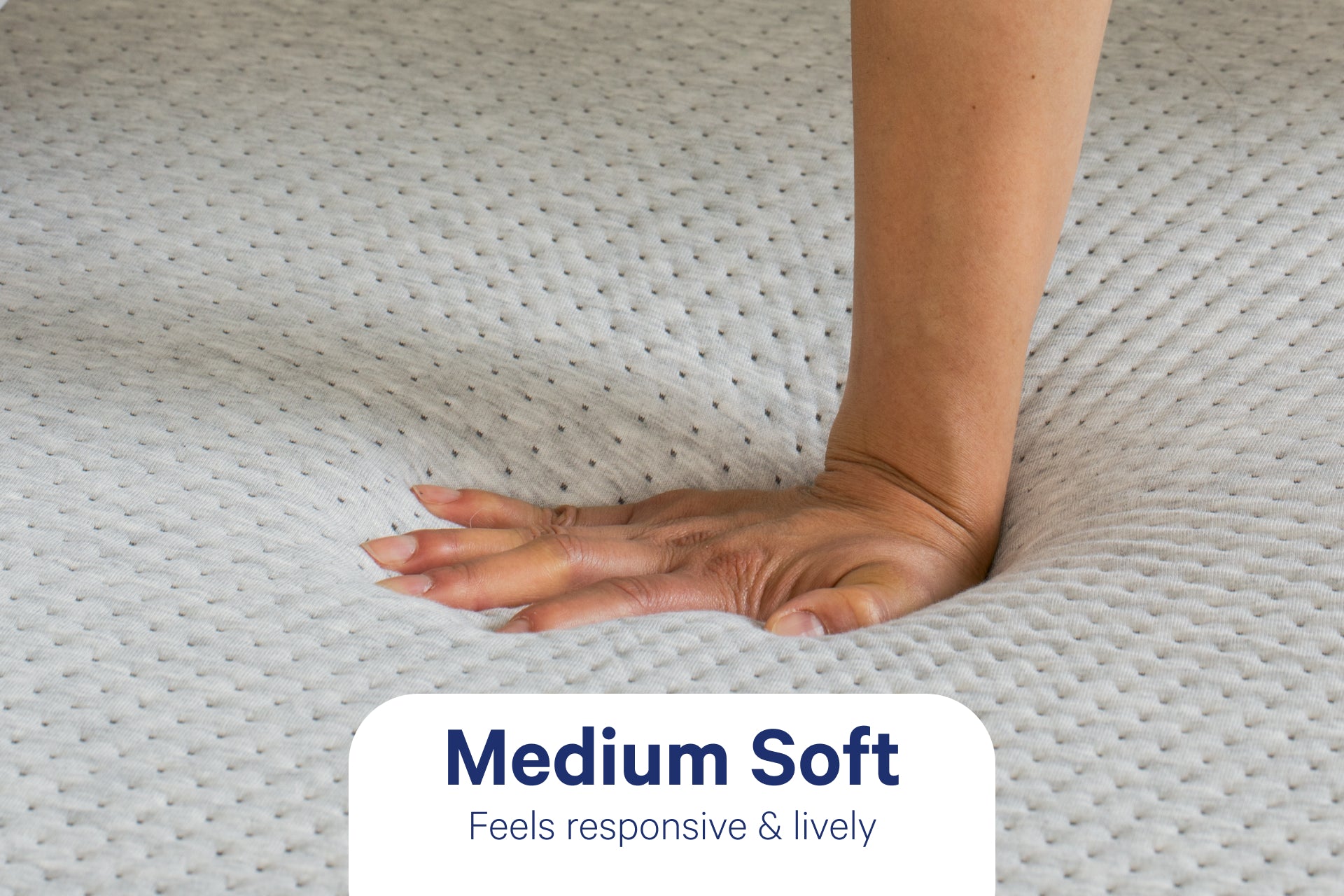
How do I know if the mattress is too firm or too soft?
A mattress may be too firm if you notice pressure building around your hips, shoulders, or lower back. On the other hand, a mattress that feels too soft may allow your body to sink excessively, making it difficult to keep your spine aligned and supported throughout the night.


