











Updated April 25, 2026
Once you’ve decided it’s time for a new mattress, the first step is to figure out what mattress size is right for you. Those who have large spaces and want room to sprawl may prefer a queen or California king. Meanwhile, sleepers with smaller bedrooms or tighter budgets may prefer the cozy price of a twin or full. When looking into smaller options, you may wonder what the difference is between twin XL vs. full beds.
From your price point to your height, there are a variety of factors that set the bed sizes apart. Keep reading for an in-depth comparison of the twin XL vs. full size.
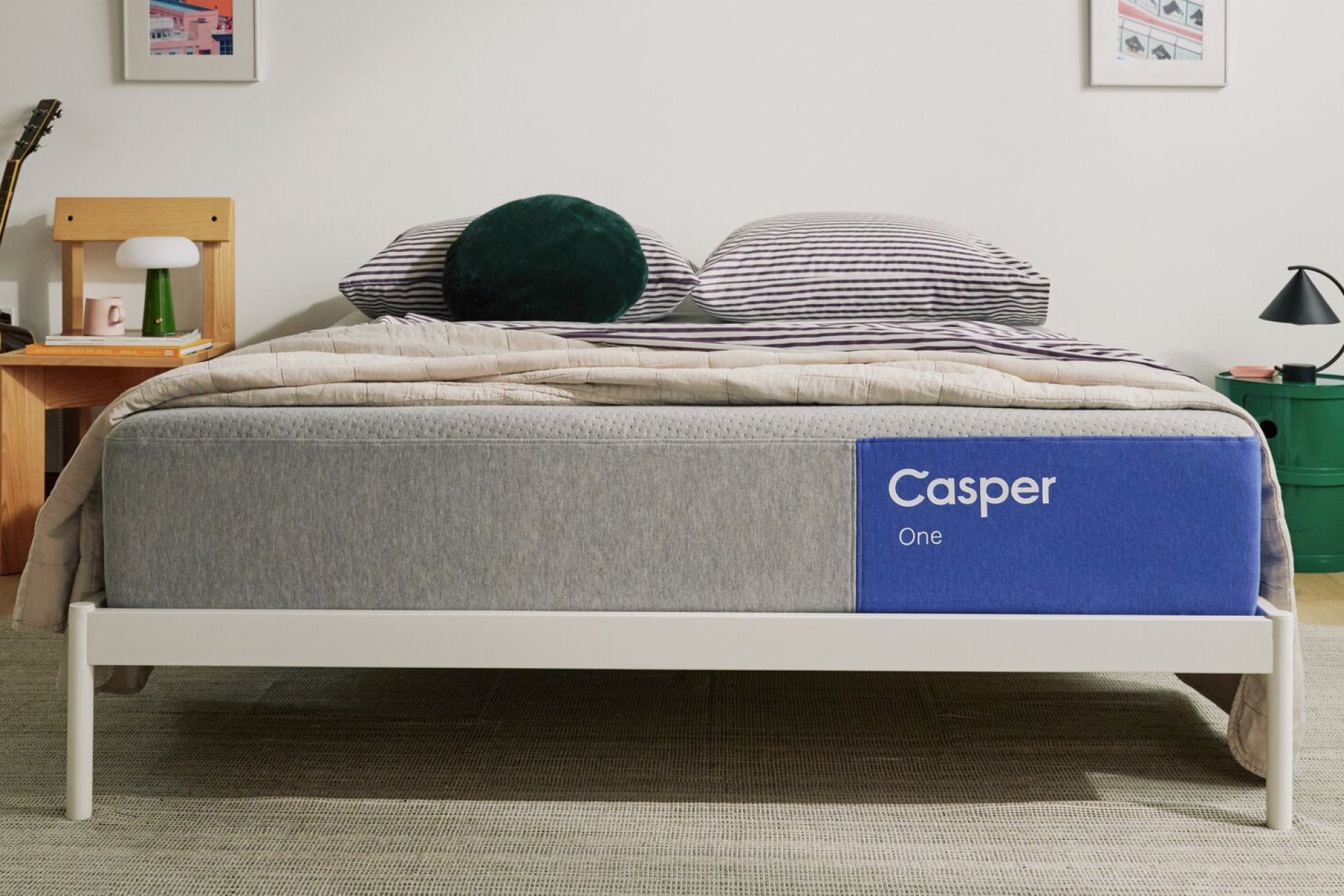
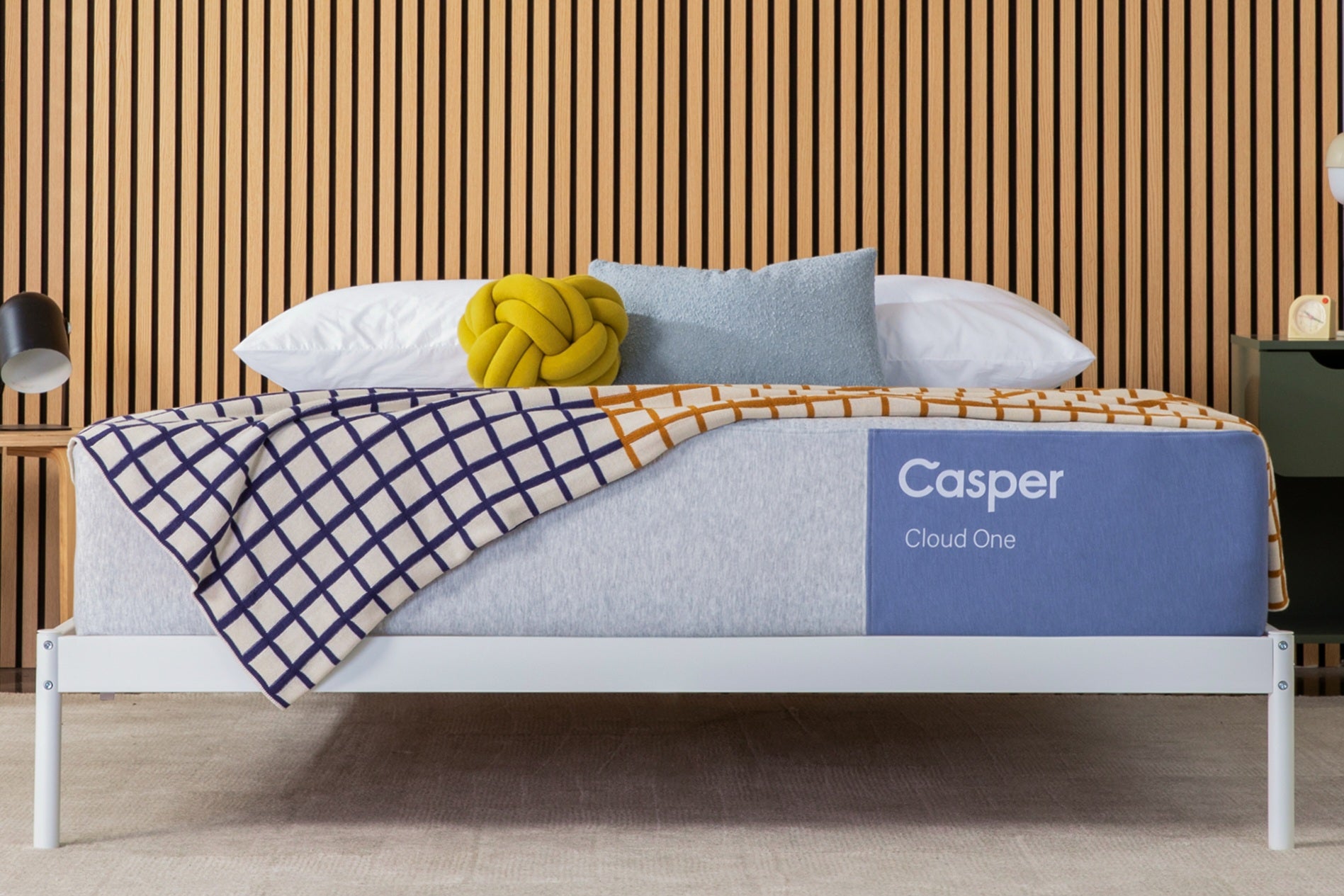
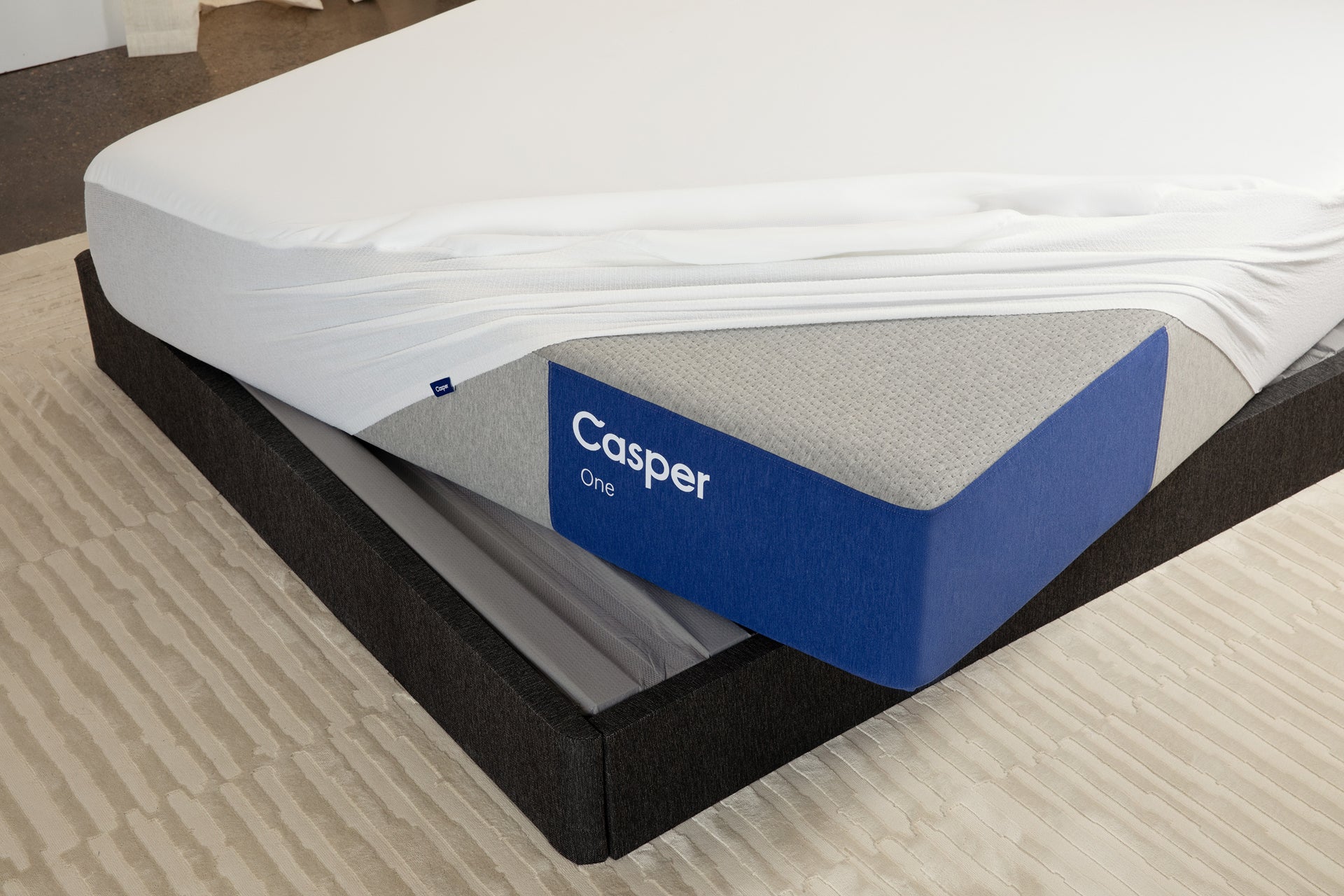
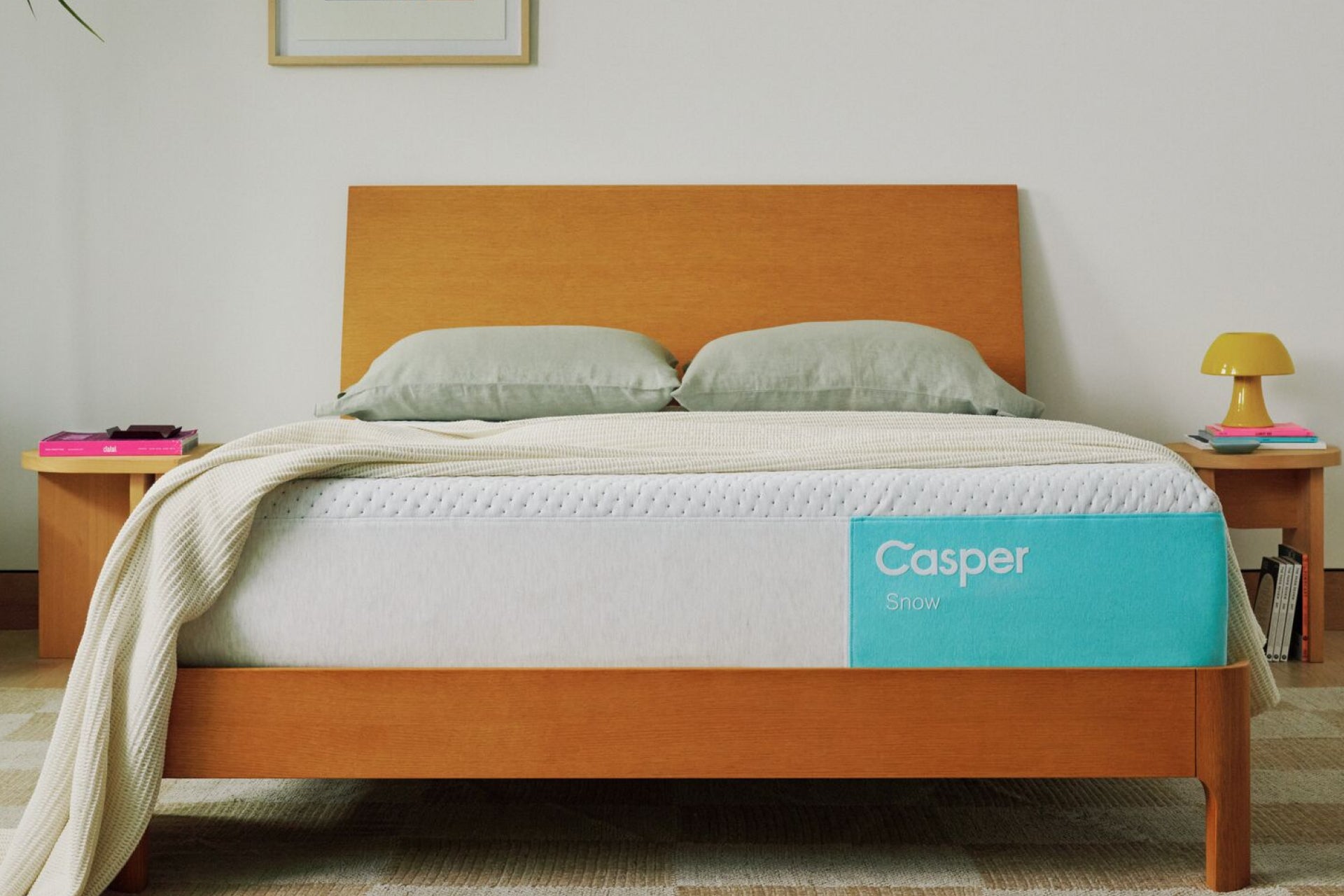
Our innovative twin XL and full size mattresses are made from multiple layers of cooling foam. They’re squeezed down into a tiny box, which magically appears on your doorstep within a few days.
| Twin XL | Full | |
|---|---|---|
| Dimensions | 38” x 80” | 53” x 75” |
| Surface Area | 3,040 square inches | 3,975 square inches |
| Best For |
|
|
| Pros |
|
|
| Cons |
|
|
Twin XL vs. Full Dimensions Comparison
A twin XL mattress is 38 inches wide and 80 inches long with a surface area of 3,040 square inches (21.1 square feet). This size is best for tall sleepers, those with narrow bedrooms, or people on tighter budgets.
Meanwhile, a full mattress is 53 inches wide and 75 inches long with a surface area of 3,975 square inches (27.6 square feet). The full is best for shorter sleepers with square-shaped bedrooms and shared sleeping arrangements.
Note: Some brands list full beds at 54" wide; Casper’s Full is 53"—always confirm specs when mixing brands (mattress, frame, sheets).
Pros and Cons of a Twin XL vs. Full Mattress

Now that you know the size difference between a twin XL vs. full beds, it’s time to compare the options head-to-head. Check out the pros and cons of each bed size below:
Pros of a Twin XL Mattress
Twin XL beds are most commonly found in college dorm rooms. That’s because they’re long enough to fit most heights and cost-effective enough to fall within most budgets. Here’s where they come out on top:
- More leg room for tall sleepers
- Fits in small or narrow bedrooms
- More affordable than other mattress types
- Lighter than full beds; easier to move
Cons of a Twin XL Mattress
If you don’t mind the smaller surface area, those who opt for a twin XL mattress can save money without sacrificing bedroom space or leg room. These factors may be considered cons:
- Less surface area than a full
- Makes finding accessories more difficult
- Only suitable for single sleepers
Pros of a Full Size Bed
Full beds come with a larger surface area, making them an excellent fit for bigger rooms or shared sleeping arrangements. The pros of a full mattress include:
- Fits multiple sleepers
- Works well in both smaller or larger bedrooms
- Makes finding accessories easier
Cons of a Full Size Mattress
A full-size bed does have a few drawbacks depending on your space and sleep style:
- Costs more than a twin XL
- Heavier than a twin XL
- Offers tall sleepers less leg room
To learn even more differences between a twin XL and full mattresses, take a look at the other factors setting them apart:.
Key Differences Between Twin XL and Full-Size Beds
When comparing a twin XL vs. full mattress, the main differences come down to length, width, and how much sleep space you actually need. Understanding these differences between twin XL and full beds can help you choose the right size for your room and sleep style.
Price
In general, twin XL foam mattresses are easier on the wallet than full mattresses. For example, our most affordable twin XL mattress, the One, costs $849 USD, and its full size counterpart costs $949 USD.
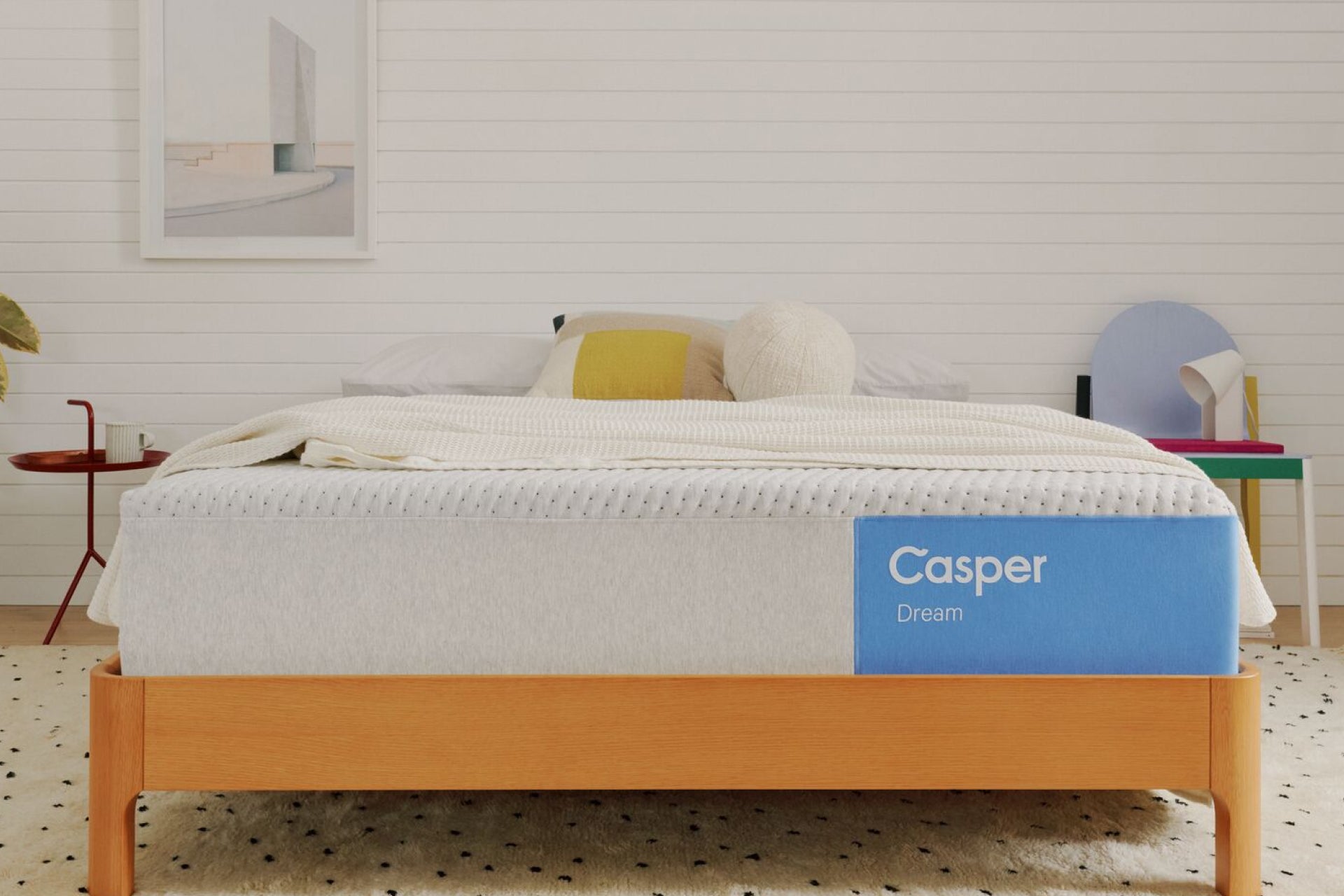
Meanwhile, our luxurious twin XL Dream Max Hybrid mattress costs $2,595 USD, and the full size costs $3,095 USD. Although the price difference varies, a twin XL generally is best for single sleepers on a tighter budget
Your Height
Due to the difference in length between a twin XL and full mattress, your height also factors into the decision. The length of a full bed is six feet three inches, so it may be long enough for most sleepers. However, single sleepers over six feet tall may prefer the extra five inches in length on a twin XL mattress. Since a twin XL comes in at six feet eight inches long, it offers enough length for cozy pillows and room to spare.
Still looking for more length? California King beds are seven feet long, making them an ideal fit for tall sleepers who want more spare space to share the bed with a partner.
Room Size

The size of your bedroom might also make a certain size the better choice for you. The general rule of thumb is that the width of your mattress shouldn’t be more than one-half the width of your bedroom. As a result, a twin XL mattress is better suited for bedrooms that are at least 8 feet by 10 feet. Since a twin XL has a smaller width than a full, it also fits comfortably in narrow bedrooms that are 7 feet wide or more.
On the other hand, a full mattress works best in a bedroom that is 10 feet by 11 feet or larger. Single sleepers with smaller or more narrow bedrooms should opt for a twin XL bed, while those with bigger or wider bedrooms can easily fit a full size mattress.
Other Sleepers
Since the dimensions vary between a twin XL vs. full mattress, other sleepers sharing your bed may affect the size you choose. The added width of a full mattress makes it a comfortable choice for those who share the bed with a partner or children.
Meanwhile, single sleepers may not mind the narrower width on a twin XL. In fact, for those who share the mattress with a pet, the added length on a twin XL leaves more space for your pup to snooze at the foot of the bed. For extra room to sprawl, queen and king beds offer additional surface area.
Space to Sprawl
The width and surface area of each bed size can also affect your choice. While twin XL beds are longer, full beds are 15 inches wider. Additionally, a twin XL mattress has a surface area of 3,040 square inches (21.1 square feet), while a full mattress has a surface area of 3,975 square inches (27.6 square feet).
For those who like to sprawl out or move around in their sleep, a full bed provides more space. Other sleepers who prefer a snug fit won’t be bothered by the smaller surface area on a twin XL.
Accessories
The cost and availability of twin XL vs. full bed accessories will vary as well. Just as with the mattress prices, twin XL accessories are a little less expensive than full accessories. For example, our twin XL Hyperlite™ sheet set costs $109 USD, while our full sheet set costs $139 USD.
Although the sheet sizes and costs differ, both twin XL and full mattresses need the same standard pillow size.
In addition, since twin XL accessories aren’t as common, you may have a harder time finding them in stores. Luckily, Casper offers a variety of premium sheets in every size.
Twin XL or Full, Casper’s Got You Covered
After considering the benefits and drawbacks of a twin XL vs. full bed, one option might just be the clear winner. From there, you’ll need to choose the type of mattress — including spring, memory foam, or hybrid — that’s right for you.
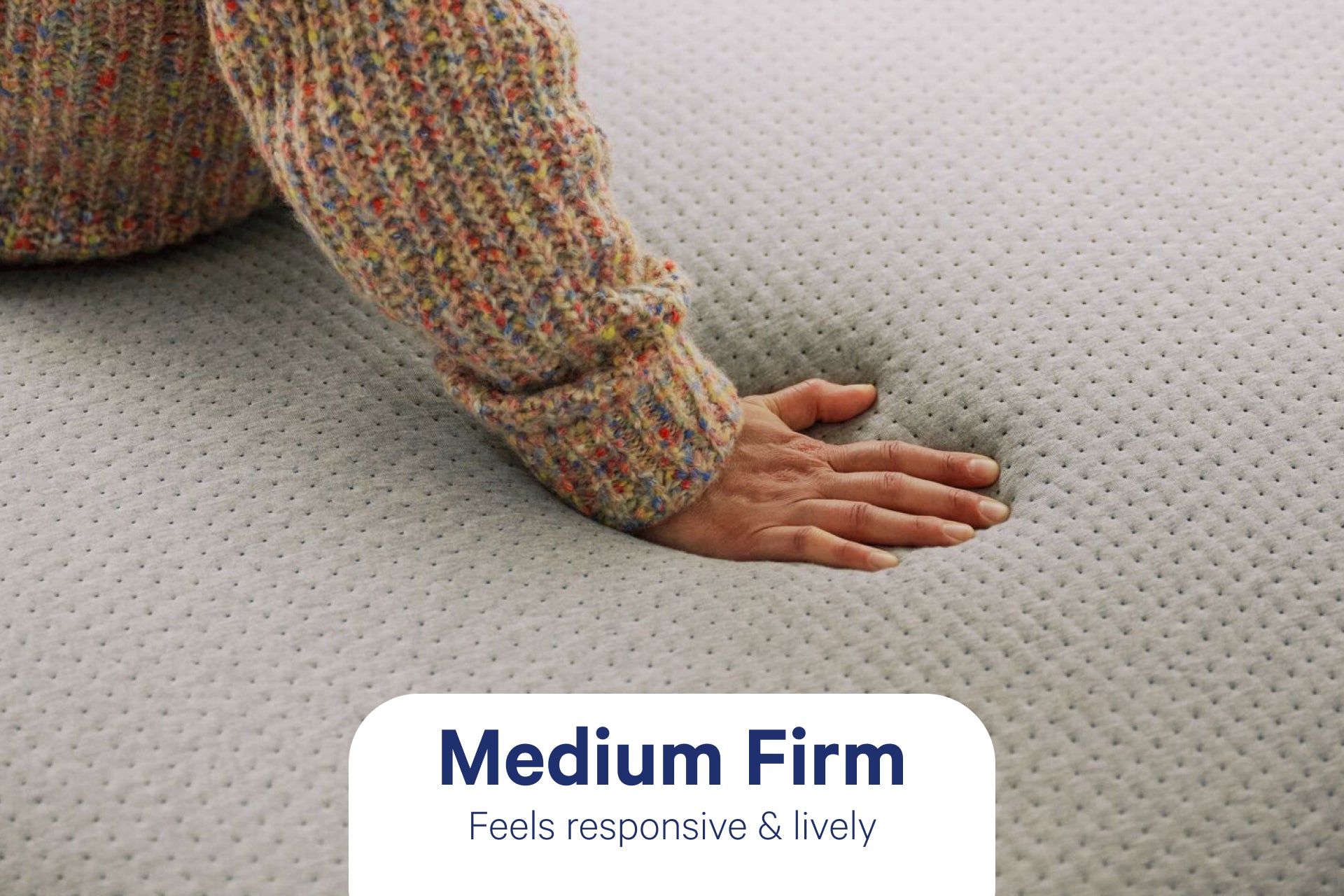
Whether you prefer a budget-friendly mattress that doesn’t sacrifice comfort or a luxurious bed that feels like you’re sleeping on a cloud, you can find your best bed at Casper. The One provides a seriously comfortable sleep at our lowest price, and our Dream Max gives you the ultimate support for less aching and more sleeping — plus springs for added lift and airflow.
Regardless of the size and type you pick, you can find the best bed for better sleep by scrolling through Casper’s top-rated mattresses.
FAQs

Still unsure where you stand in the twin XL vs. full debate? Read through these answers to commonly asked questions to finally put the topic to bed.
How Much Bigger Is a Twin XL Than a Full?
A twin XL mattress is 38 inches wide and 80 inches long, while a full mattress is 53 inches wide and 75 inches long. A twin XL mattress is five inches longer than a full, and a full is 15 inches wider. In total, the surface area of a twin XL is 3,040 square inches and a full is 3,975 square inches, meaning full beds have 935 square inches more space.
What’s the Difference Between a Twin XL and a Full?
The difference between a twin XL and a full is in the dimensions. Twin XL beds are longer than full beds, but full beds are wider. Due to their larger surface area, full beds cost more than twin XL beds. While the twin XL is best for tall solo sleepers, a full is best for shorter sleepers or those who share the bed.
Will Twin XL Sheets Fit a Full Bed?
Twin XL sheets will not fit a full bed. Since twin XL mattresses are five inches longer and full beds are 15 inches wider, the two mattress sizes need their own sheet sets.
Can Twin Sheets Fit a Twin XL Bed?
Many twin flat sheets may be able to fit a twin XL bed, but it’s a good idea to purchase twin XL fitted sheets so they don’t slip off overnight. Casper has a variety of twin and twin XL sheet sets that are sure to stay put while you sleep.
Do Two Twin XLs Make a King?
Yes. Two Twin XLs side-by-side match a standard king’s footprint (76" x 80") and pair perfectly with split-king adjustable bases so each sleeper can customize their side.
Can I Use a Full Comforter On a Twin XL (Or Vice Versa)?
Sure, but it’s not ideal. Dimensions don’t match, so you’ll either get overhang (Full on Twin XL) or come up short (Twin XL on Full). Choose bedding labeled for your exact mattress size for the best fit.
Is There a Full XL Size?
Yes—a full XL is typically ~54" x 80". It adds length for taller sleepers but is less common than standard full; availability for frames and bedding can be limited. If you want both width and length, consider sizing up to a queen mattress.
Can Couples Sleep on a Twin XL?
Just like a twin bed for two adults isn’t the comfiest, a twin XL mattress is usually not ideal for couples. Since it measures 38 inches wide and 80 inches long, it’s designed mainly for a single sleeper. Couples who share a bed will likely find the width too narrow for comfortable sleep space.
What's the Difference Between a Twin XL and Split King?
A twin XL mattress is a single mattress. If you compare a twin XL vs. a split king, you’ll find that the latter combines two twin XL mattresses placed side by side to create a king-size bed that still allows each sleeper to customize their side.


