






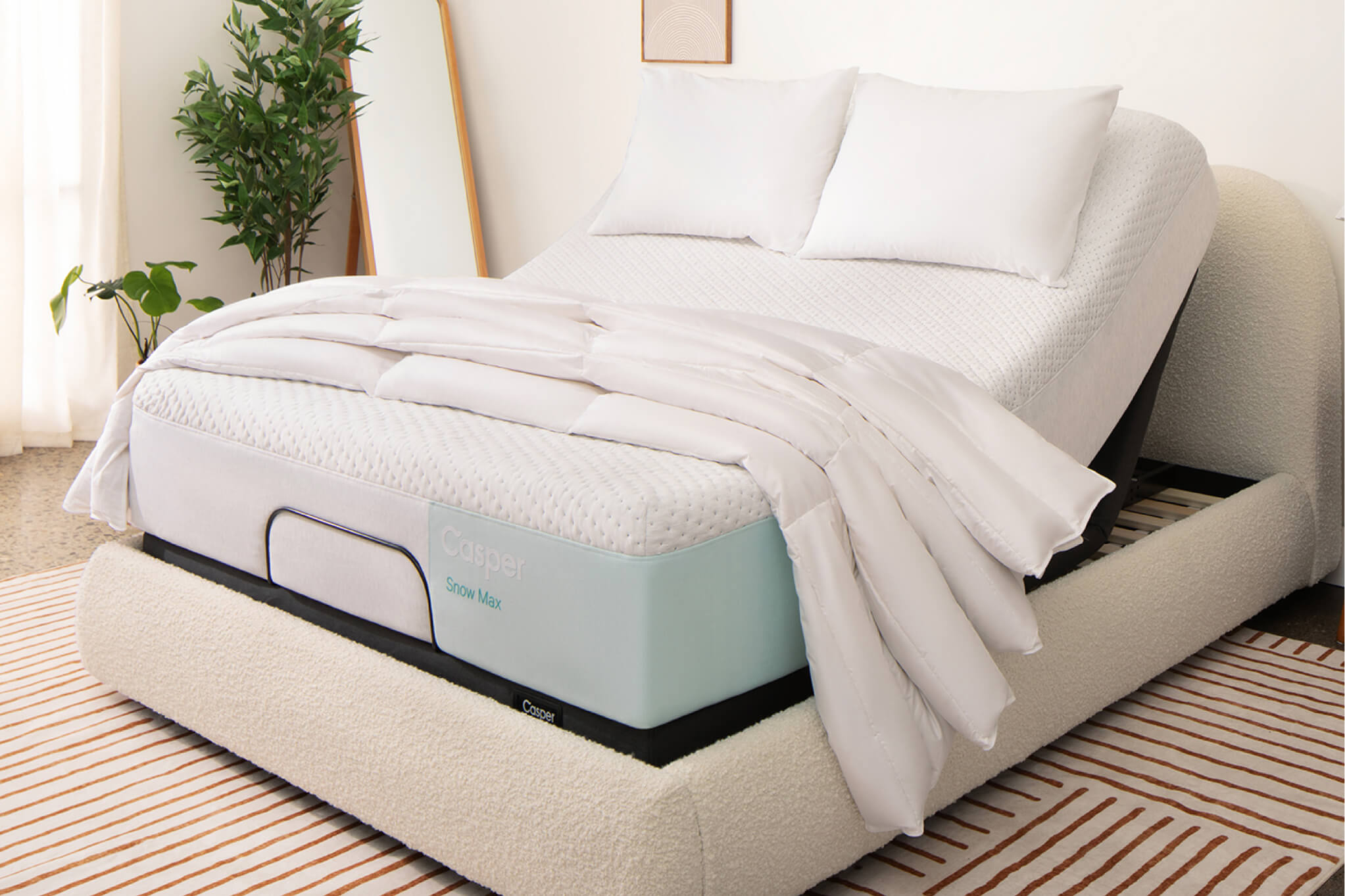
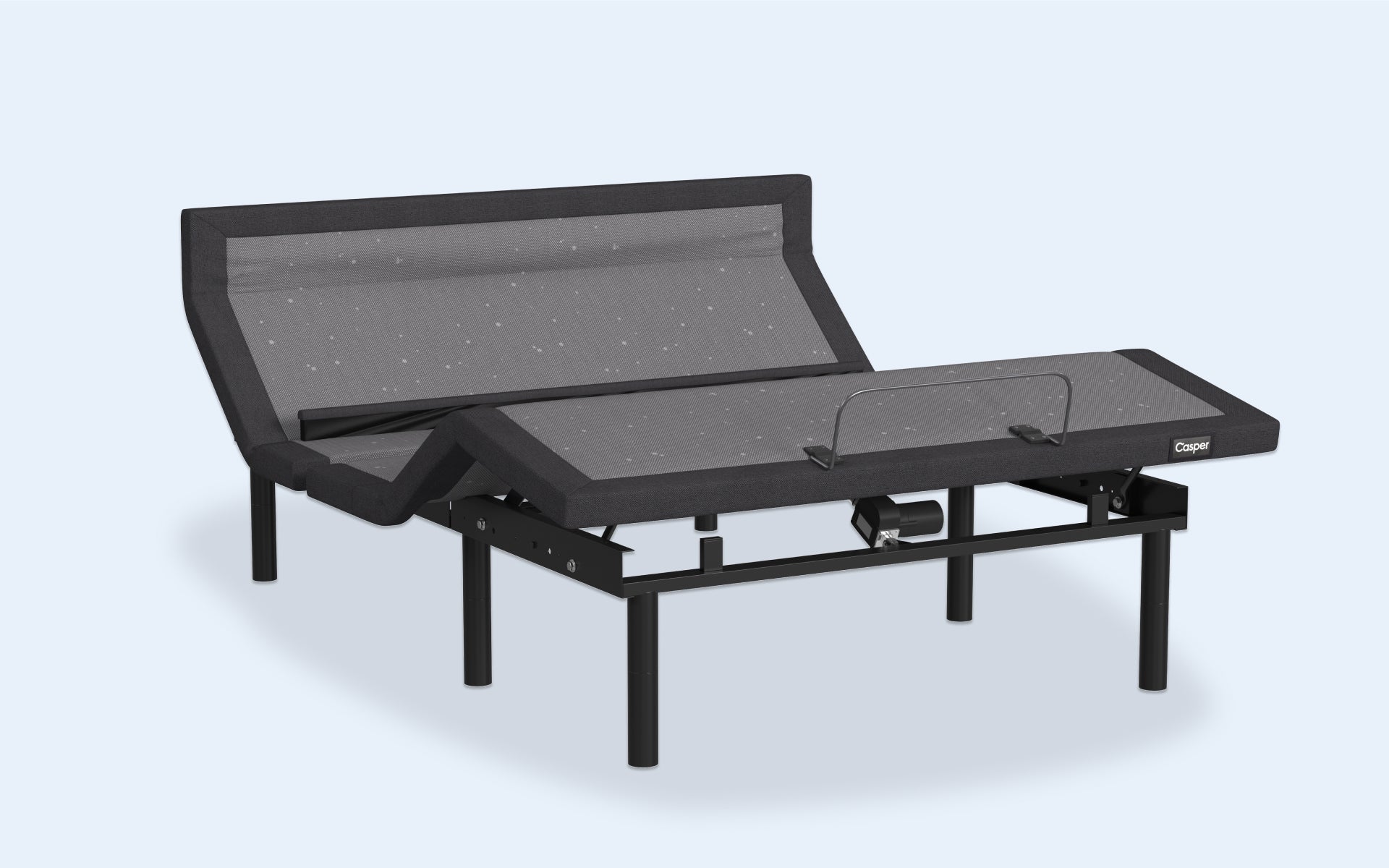
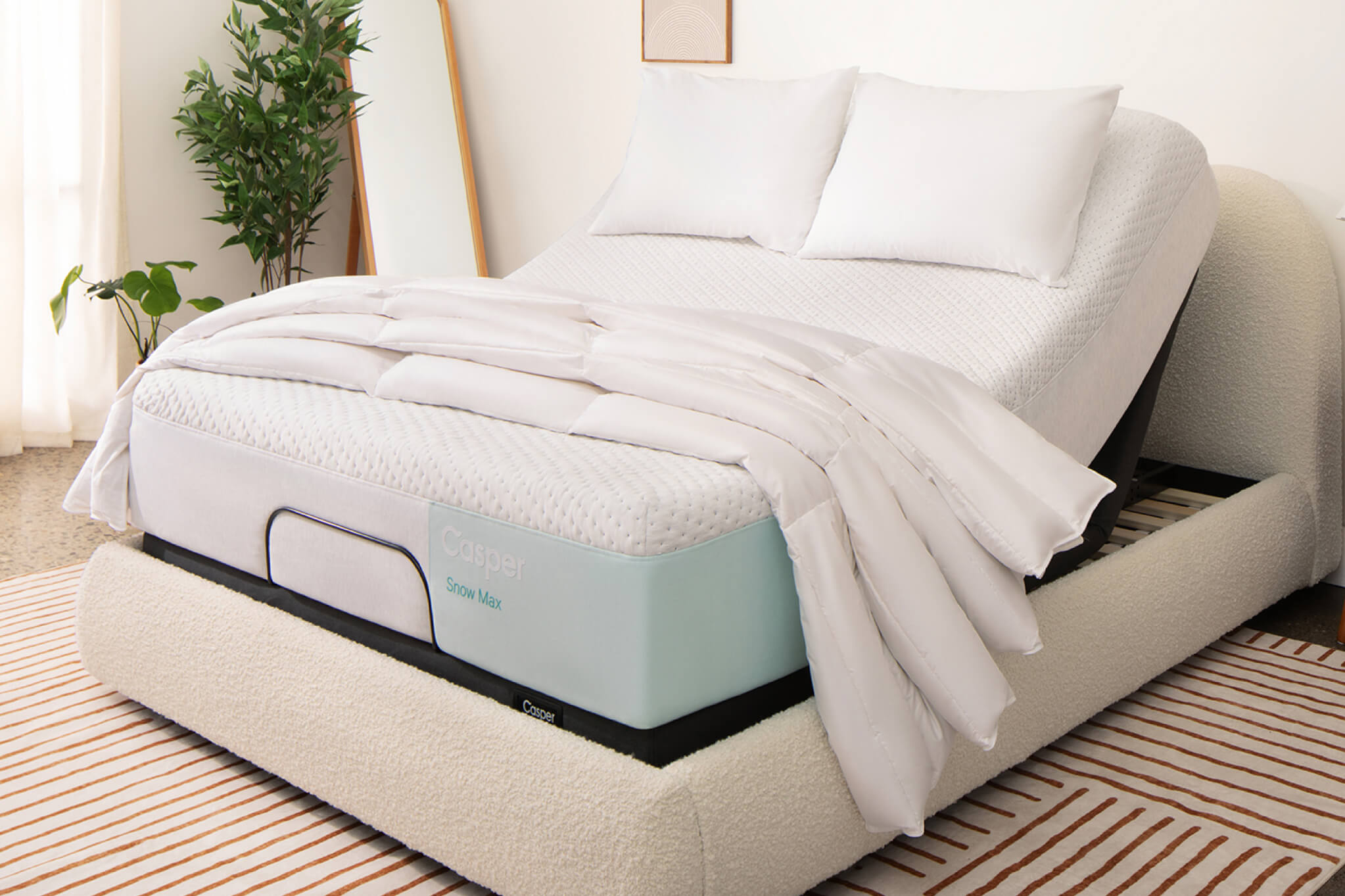
Let’s be real—your mattress foundation matters just as much as what’s on top of it. But not all foundations are created equal, and an adjustable base and a box spring serve very different purposes. The right call depends on your mattress type, how you like to sleep (or lounge), and what you’re working with budget-wise.
Quick Answer
Not sure which direction to go? Here’s the short version:
- Go with an adjustable base if you want customizable positions—whether you’re reading in bed, watching TV, or dialing in the perfect sleep angle.
- Go with a box spring if you have a traditional innerspring mattress and want a simple, budget-friendly setup that just works.
What Is A Box Spring?
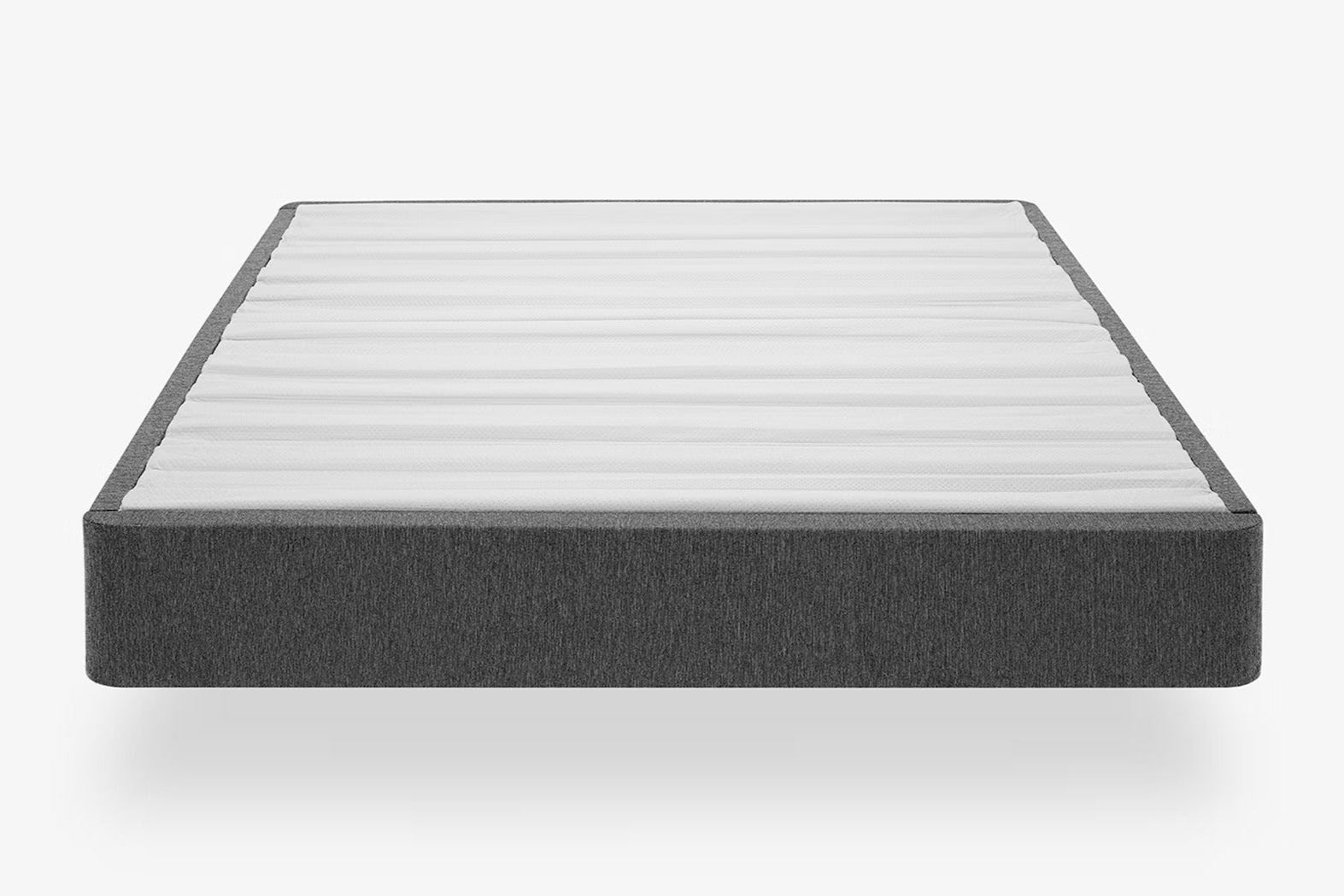
A box spring is the classic foundation—a rigid frame filled with coils or wooden slats, wrapped in fabric, and designed to work hand-in-hand with traditional innerspring mattresses. It sits between your mattress and bed frame to absorb shock, add height, and provide a stable base. Simple, reliable, and time-tested.
What Is An Adjustable Base?
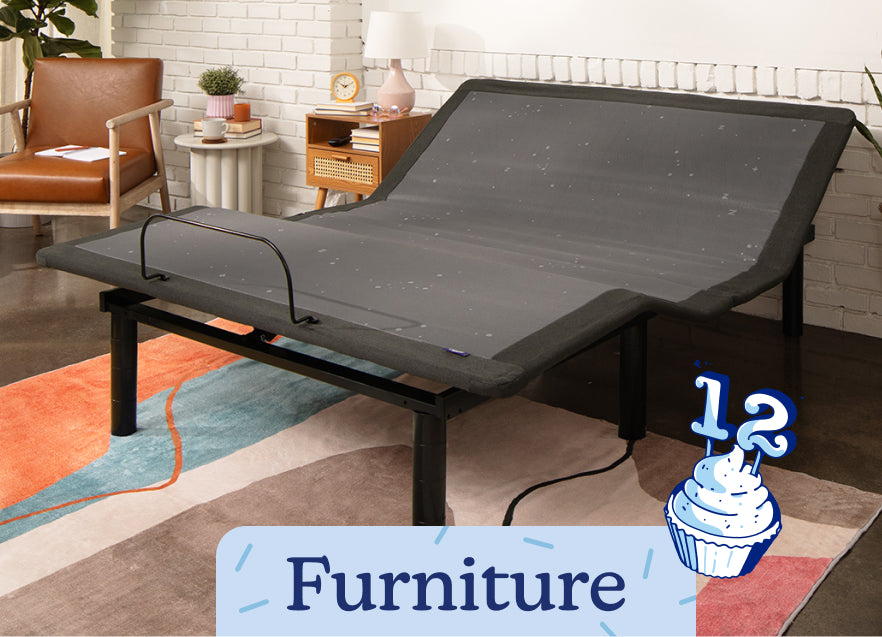
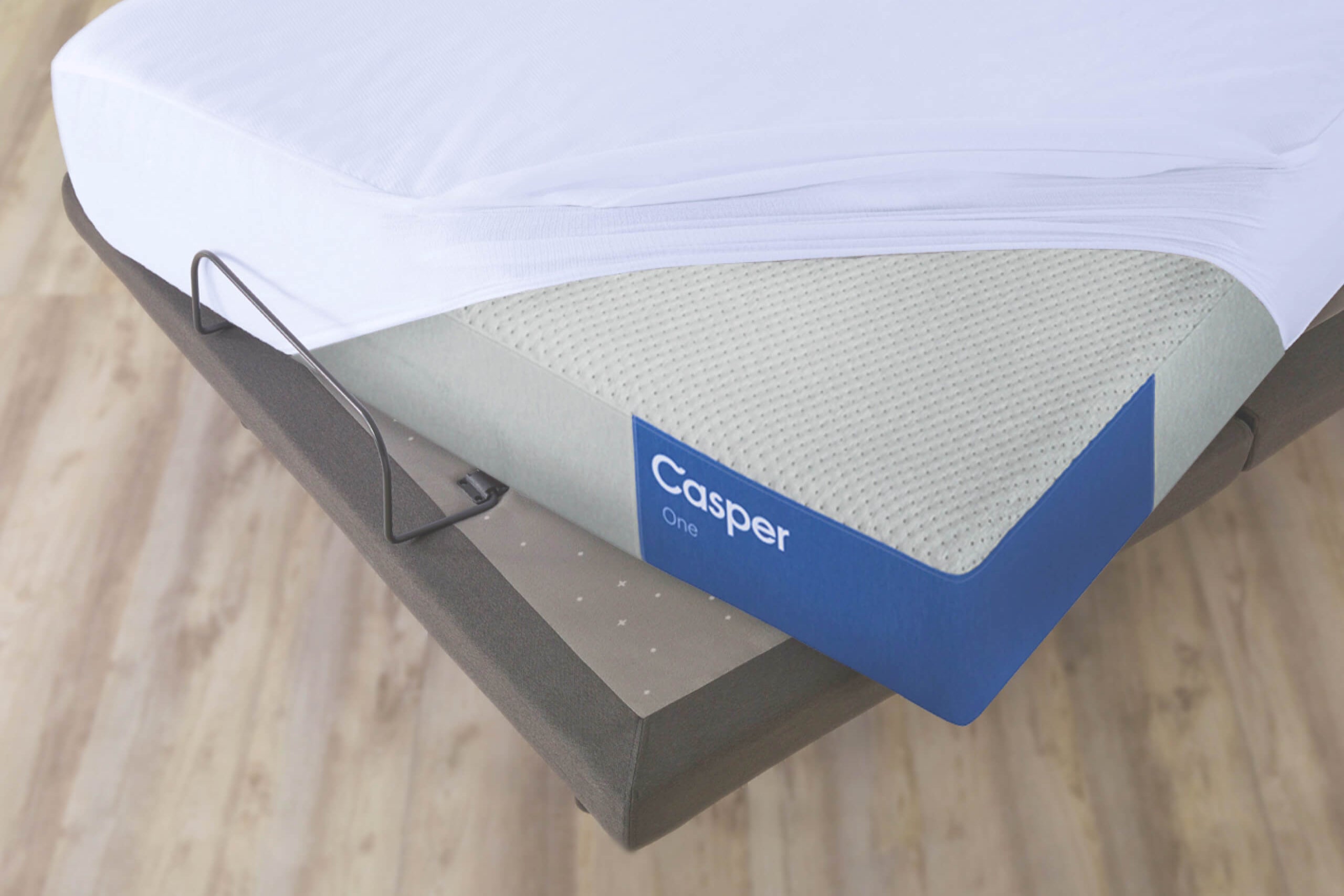
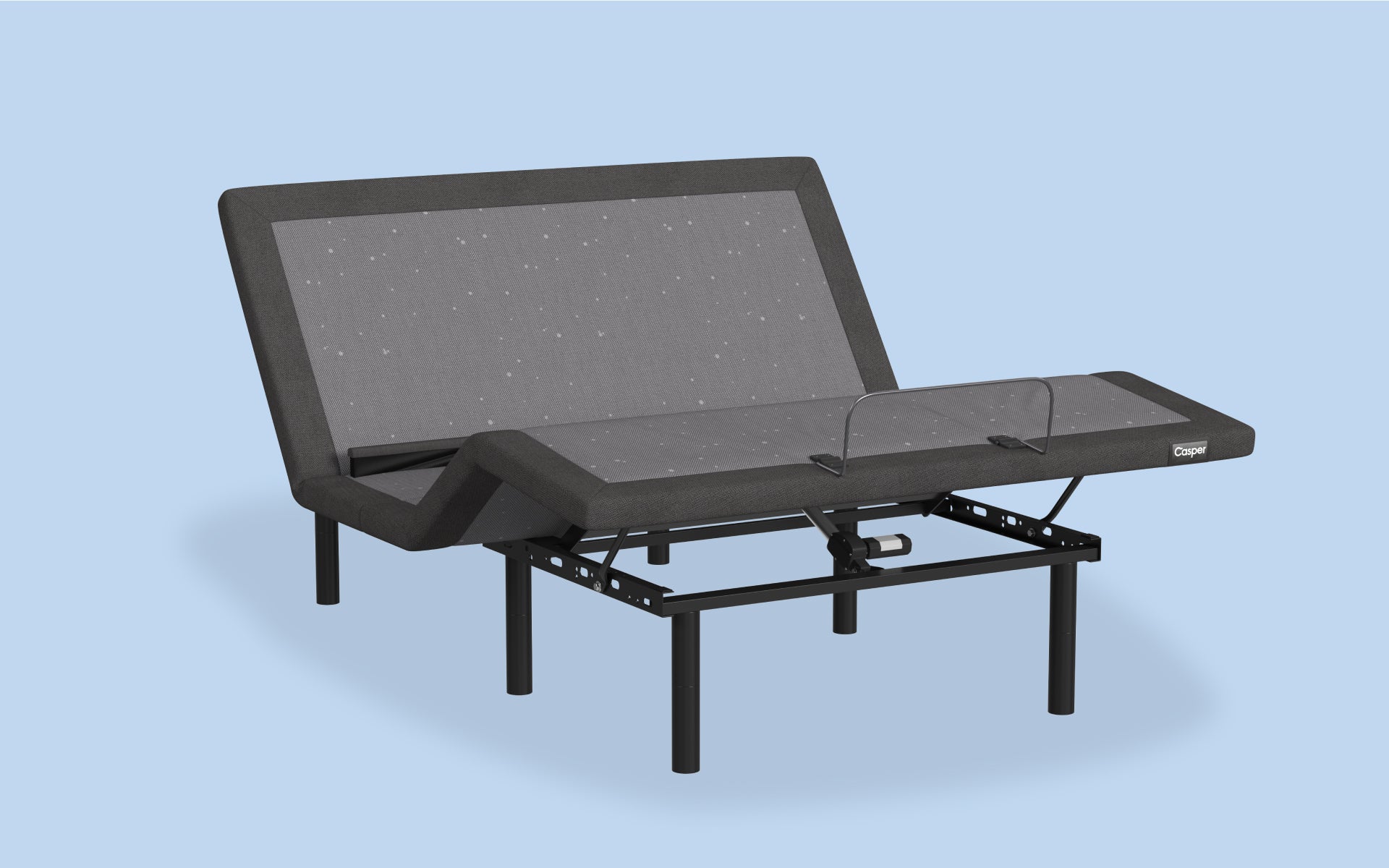
An adjustable base, or adjustable bed frame, is essentially a motorized platform for your mattress. With a remote (or an app), you can raise and lower your head and feet to find the exact position that feels right—whether that’s a zero-gravity incline, a slight head elevation for snoring, or a comfortable reading angle. Some models come with extras like massage functions, USB ports, and under-bed lighting.
Adjustable Base Vs Box Spring: Core Differences
Here’s how the two stack up side by side:
|
Feature |
Adjustable Base |
Box Spring |
|
Purpose |
Customizable positioning and comfort |
Traditional mattress support and height |
|
Comfort Features |
Head/foot elevation, sometimes massage, lighting, USB |
No adjustability |
|
Price Range |
Higher investment |
Budget-friendly |
|
Durability & Lifespan |
Long-lasting with occasional maintenance |
Solid but can wear with time |
|
Ease of Moving |
Heavy, requires outlet |
Lightweight, no power needed |
Purpose
A box spring is built for one job: supporting your innerspring mattress and adding height. An adjustable base is built for flexibility—letting you position your body the way that works best for you, whether you’re sleeping, relaxing, or somewhere in between.
Comfort Features
Box springs don’t adjust. What you see is what you get. Adjustable bed frames, on the other hand, let you raise your head, elevate your feet, and on some models, enjoy built-in massage, USB charging, and more. The comfort ceiling is much higher.
Price Range
Box springs are typically the more budget-friendly option. Adjustable bases are a bigger upfront investment, but if you’re using those features daily, the math can make sense over time.
Durability And Lifespan
Both can last for years when properly cared for. Adjustable bases are engineered for repeated use and often outlast a standard foundation—but the motorized components may occasionally need attention. Box springs are low-maintenance but can develop uneven support over time.
Ease Of Moving And Setup
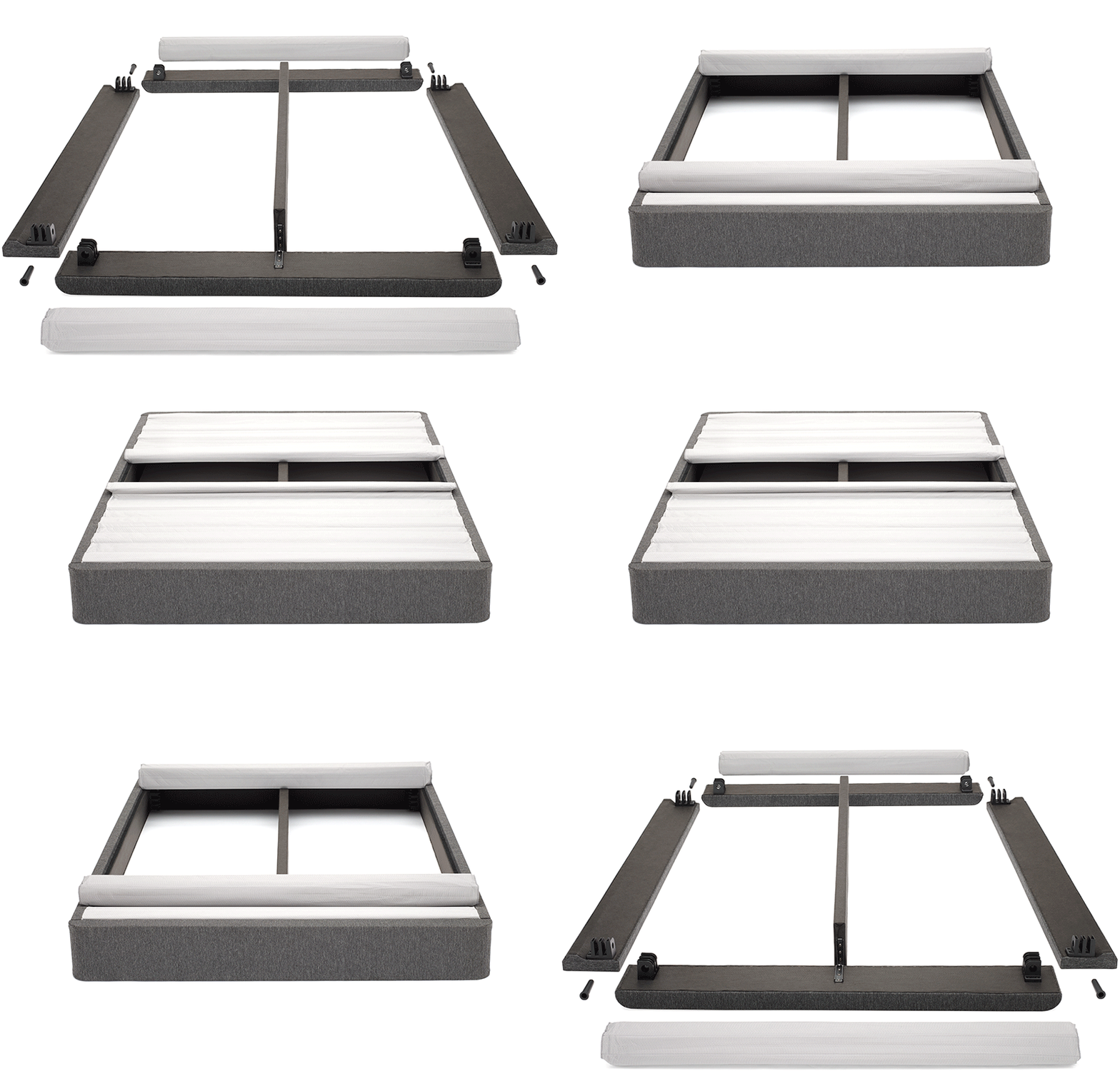
Box springs win here. They’re easy to carry, require no power source, and take minutes to set up. Adjustable bases are heavy, need an electrical outlet, and have more moving parts to manage—both literally and logistically.

Pros And Cons Of Adjustable Bases
Pros
- Custom head and foot positions for reading, watching TV, and relaxing in bed
- Can help with snoring, acid reflux, and circulation-related comfort needs1,2
- Often delivers better motion isolation for couples
- Strong weight capacity and long-term durability potential
Cons
- Higher upfront cost compared to other mattress foundation types
- Heavy and harder to move or rearrange
- Requires access to an electrical outlet
- Motor or mechanical noise is possible, especially with added features
- Sheet changes and bed-making can feel more involved
Pros And Cons Of Box Springs
Pros
- Usually the most budget-friendly foundation option
- Designed to pair well with traditional innerspring mattresses
- Adds height and can improve airflow beneath the mattress
- Simple to move, set up, and maintain
Cons
- Often not ideal for modern foam or hybrid mattresses that need solid, even support
- The coil construction can feel bouncier and less stable than a solid platform
- Can contribute to uneven mattress wear if support isn’t consistent
Mattress Compatibility: What Works Best With Each Type?
Innerspring Mattresses
Traditional innerspring mattresses are really the only mattress category where a box spring is a natural fit. The coil-to-coil relationship between the mattress and foundation is a classic combo for a reason.
Memory Foam Mattresses
Memory foam mattresses need solid, consistent support—not a bouncy coil foundation. A platform base, properly spaced slats, or an adjustable base will do a much better job of keeping a foam mattress performing the way it should.
Hybrid Mattresses
Hybrids need stable, uniform support too. An adjustable base or a platform foundation is the right call here. A traditional box spring can create pressure points and lead to premature wear.
Mattress Warranties And Manufacturer Guidelines
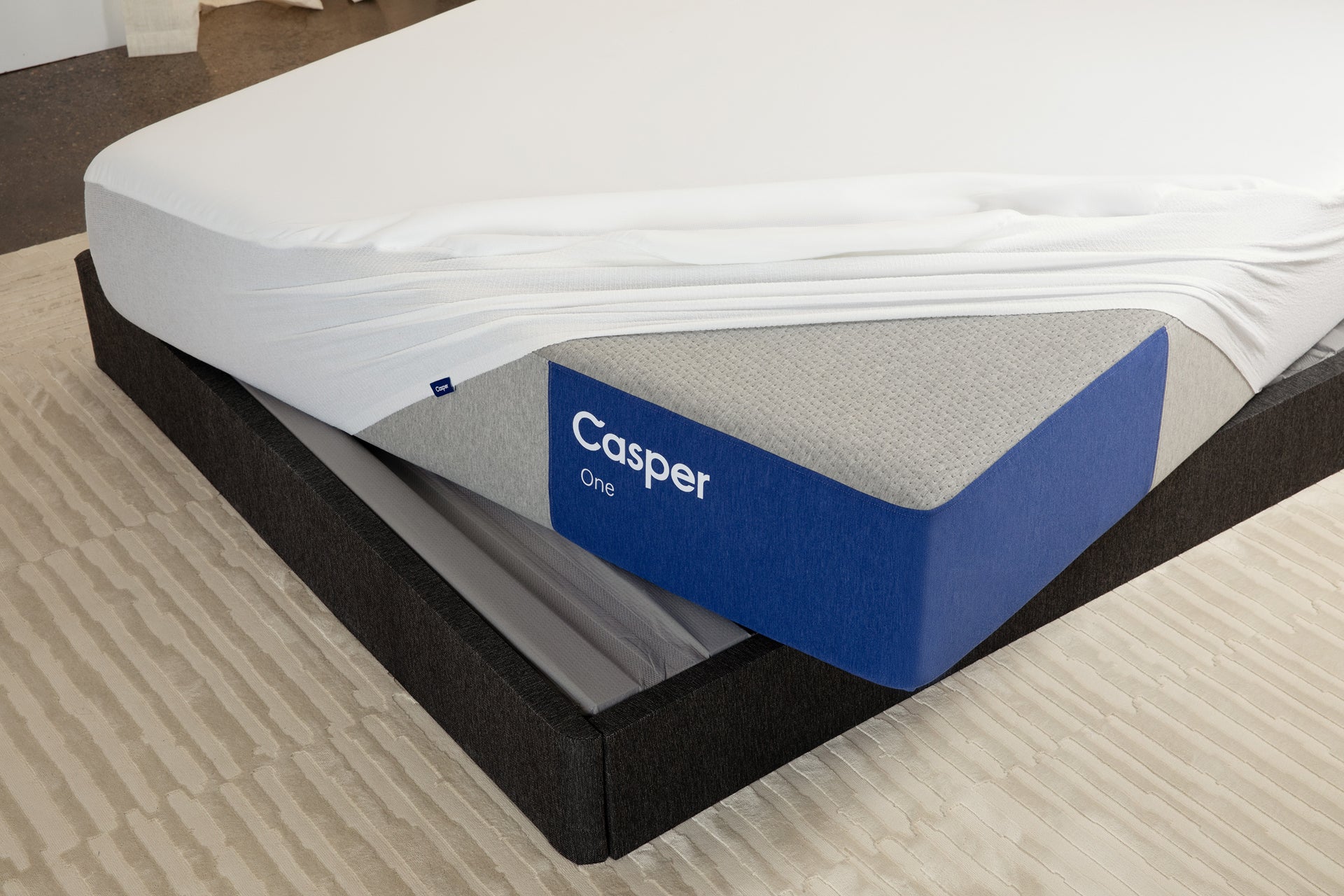
Before you buy anything, check your mattress manufacturer’s guidelines. Most warranties require a specific type of foundation—and using the wrong one can void your coverage. For example, if you use a box spring on a Casper mattress, you will void your warranty. Pay attention to approved foundation types and slat spacing requirements.
Cost Comparison: Upfront Price Vs Long-Term Value
Upfront Cost
Box springs are generally lower-cost—a solid choice if budget is the primary consideration. Adjustable bases are a bigger initial investment, with prices ranging widely depending on features and brand.
Value Over Time
If you’re using elevation features daily—for lounging, recovery, or just more comfortable sleep—an adjustable base can deliver real everyday value that a static foundation simply can’t match.
Potential Maintenance
Box springs are set-it-and-forget-it. Adjustable bases have motorized components that may occasionally need service. It’s worth factoring that into your long-term thinking.

Comfort And Lifestyle Use Cases
If You Like To Sit Up In Bed
If scrolling your phone, reading, or watching TV in bed is part of your nightly routine, an adjustable base turns your mattress into a proper setup. No more propping yourself up with a stack of pillows.
If You Want More Customized Sleep Positions
Head and foot elevation aren’t just for lounging. Fine-tuning your sleep angle with an adjustable bed frame can make a real difference in how you feel in the morning—especially if you deal with snoring, acid reflux, or lower back discomfort.
If You Prefer A Traditional Bed Feel
Some people just like the classic setup—and there’s nothing wrong with that. If you have an innerspring mattress and want the familiar height and feel of a traditional bed, a box spring delivers exactly that.
Practical Considerations Before You Decide
Bed Height And Getting In And Out
Box springs add meaningful height to your bed setup. Adjustable bases sit differently depending on your frame and mattress, so it’s worth thinking about what final height will feel comfortable for getting in and out of bed each day.
Moving And Rearranging
If you move often or like to rearrange, a box spring is much easier to handle. Adjustable bases are heavy pieces of equipment—plan accordingly.
Power And Placement
Adjustable bases need to be near an outlet. Before you buy, think about cord placement and whether your bedroom setup makes that work.
Noise And Light Sleepers
If you’re a light sleeper or share a bed, consider how motor noise might affect things. Most modern adjustable bases are quiet, but it’s worth reading reviews and understanding what features you actually need—more motors mean more potential sound.

Alternatives If You Don’t Need A Box Spring
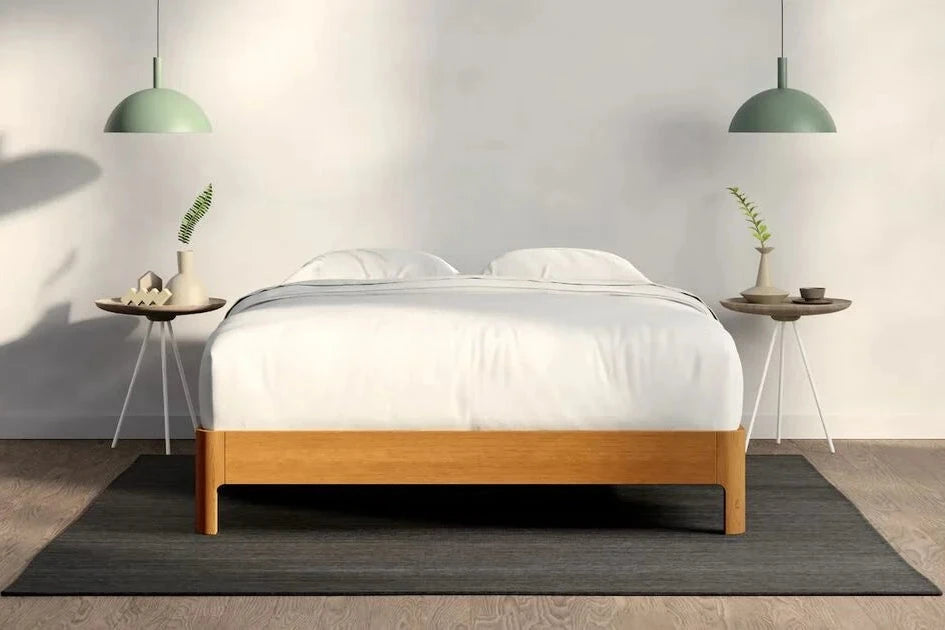
Platform Bed Frames
Platform frames offer solid, modern support for foam and hybrid mattresses without needing a separate foundation. Clean look, easy setup, and a popular choice for contemporary bedrooms.
Slatted Foundations
A slatted base can provide great airflow and support—as long as the slat spacing meets your mattress manufacturer’s requirements. Too wide and you lose the support your mattress needs.
Bunkie Boards
A bunkie board is a low-profile, flat support surface that sits on top of an existing frame to firm things up. It’s a simple, affordable way to add a more supportive layer without a full foundation swap.
Choose An Adjustable Base If…
You Want Customizable Positions
If you regularly lounge in bed or want more flexibility in how you sleep night to night, an adjustable base gives you the range to dial things in exactly how you like.
You Want A More Premium Setup
If you’re willing to invest in comfort features that go beyond just “something to sleep on,” an adjustable base delivers versatility and long-term value that a static foundation can’t match.
You Want A More Stable Feel And Better Motion Control
Especially helpful for couples. If you notice your partner’s movement during the night, an adjustable bed frame with good motion isolation can make a real difference.
Choose A Box Spring If…
You Have A Traditional Innerspring Mattress
If your mattress is a traditional innerspring and the manufacturer recommends a box spring-style foundation, you’re in the right place. It’s the pairing these mattresses were designed for.
You Want A Budget-Friendly Foundation
If you need a reliable support layer without the added features—or the added cost—a box spring gets the job done without overcomplicating things.
You Prefer A Classic, Higher Bed Setup
If you love the feel and height of a traditional bed, a box spring delivers exactly that. Sometimes the classic setup is the right setup.
Adjustable Base Vs Box Spring FAQs
Do You Need A Box Spring With A Modern Mattress?
Likely not. Modern foam and hybrid mattresses are designed to work with solid or slatted support—not a traditional box spring. Using a box spring with these mattresses can actually work against you by creating uneven support or voiding your warranty.
A note on Casper mattresses: Casper mattresses are designed to be used with a slatted foundation. Using a box spring is not recommended and will void your warranty.
Can You Use A Box Spring With An Adjustable Base?
No. Adjustable bases are designed to support your mattress directly—adding a box spring in between defeats the purpose and can damage both pieces.
Will An Adjustable Base Ruin A Mattress?
Not if your mattress is compatible and you’re using it within the manufacturer’s guidelines. Most modern foam and hybrid mattresses are adjustable base-friendly—but always double-check before you buy.
What If I Want Support But Don’t Want A Motorized Base?
Platform frames, slatted foundations, and bunkie boards are all solid middle-ground options. They deliver the support modern mattresses need without any motors, cords, or added complexity.

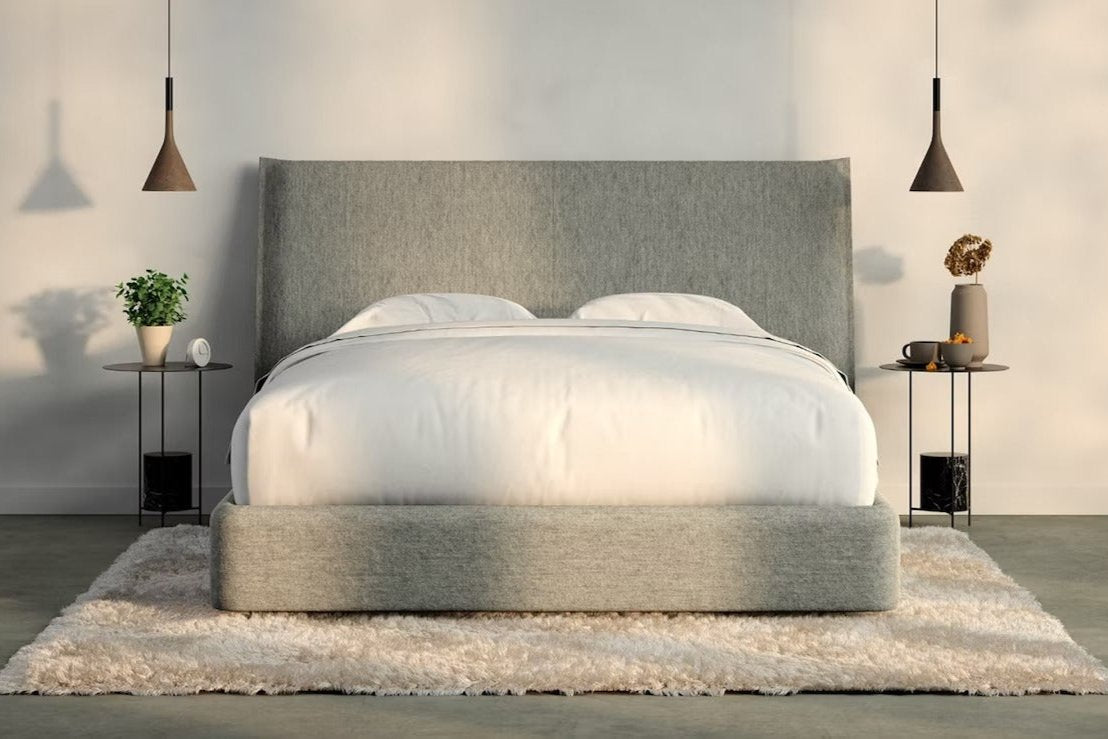
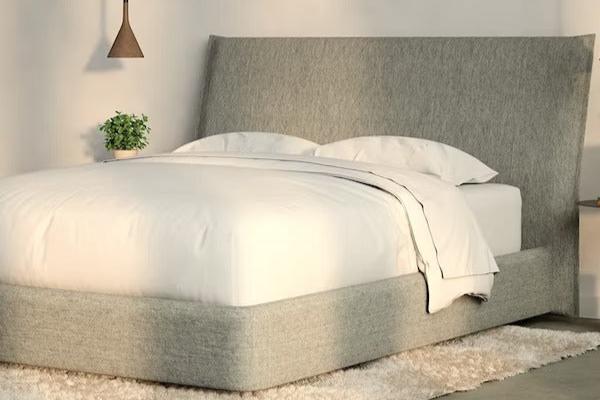
Upgrade Your Sleep Setup With Casper Adjustable Bases & Platform Bed Frames
The right foundation doesn’t just hold your mattress up—it shapes how well you sleep, how comfortably you relax, and how long your mattress lasts. Whether you want customizable comfort with an adjustable base or a clean, supportive modern setup with a platform bed frame, Casper has a foundation built for how you actually sleep.
Find the one that fits your sleep style and make every night (and every lazy Sunday morning) count.
Sources:
- Wilhelm, Elisabeth, Francesco Crivelli, Nicolas Gerig, Malcolm Kohler, and Robert Riener. 2020. “The Anti-Snoring Bed - a Pilot Study.” Sleep Science and Practice 4 (1). https://doi.org/10.1186/s41606-020-00050-2.
- Albarqouni, Loai, Ray Moynihan, Justin Clark, Anna Mae Scott, Anne Duggan, and Chris Del Mar. 2021. “Head of Bed Elevation to Relieve Gastroesophageal Reflux Symptoms: A Systematic Review.” BMC Family Practice 22 (1). https://doi.org/10.1186/s12875-021-01369-0.