The average American spends roughly 36 years lying in their bed , making a mattress one of the highest-contact purchases most people will make.
Before embarking on your journey to pick the perfect mattress, it’s important to first consider how much you’re willing to spend on a new mattress. Keep in mind that you usually spend the most time everyday on your mattress. In fact, research shows that over the course of a lifetime, the average American spends an estimated 36 years lying in their bed. For this reason, investing in a mattress that will provide you with a good night’s sleep is worth it.

Mattress prices in the U.S. range from under $500 for a basic foam twin to over $4,000 for a luxury hybrid king — and the right budget depends more on mattress type than on brand. As a baseline, plan to spend at least $800–$1,000 on a queen-sized mattress that will last 7–10 years. Anything significantly below that threshold typically uses lower-density foam that compresses within 2–3 years.
Foam
$500-$1,800 for a queen. Tend to be the most motion-isolating option; best for solo sleepers or couples where one partner is a light sleeper.
Innerspring
$500–$1,400 for a queen. More breathable and bouncy than foam; less effective at motion isolation.
Hybrid
$1,200–$3,000+ for a queen mattress. Combines foam comfort layers with a pocketed coil base; the fastest-growing mattress category in the U.S.
Latex
$1,500–$3,500 for a queen. The most durable standard type, often lasting 12–15 years; available in natural, synthetic, or blended versions.
Airbed
Plastic mattresses filled with air—typically cost between $100 to $300.
At Casper, you can find an affordable mattress with excellent support for as low as $749 or opt for a luxurious mattress that meets all of your sleeping needs for less than $4,695. We carry foam and hybrid mattresses so you can choose something that works best for you.

You may be asking yourself, “What kind of mattress do I need?” If you live in a particularly small space it may be best to opt for a smaller size, such as a twin or full mattress. Although, if you have room to stretch, a queen or king-size mattress may be more suitable for your needs.
Let’s run through a quick breakdown of the six mattress sizes available from most manufacturers:
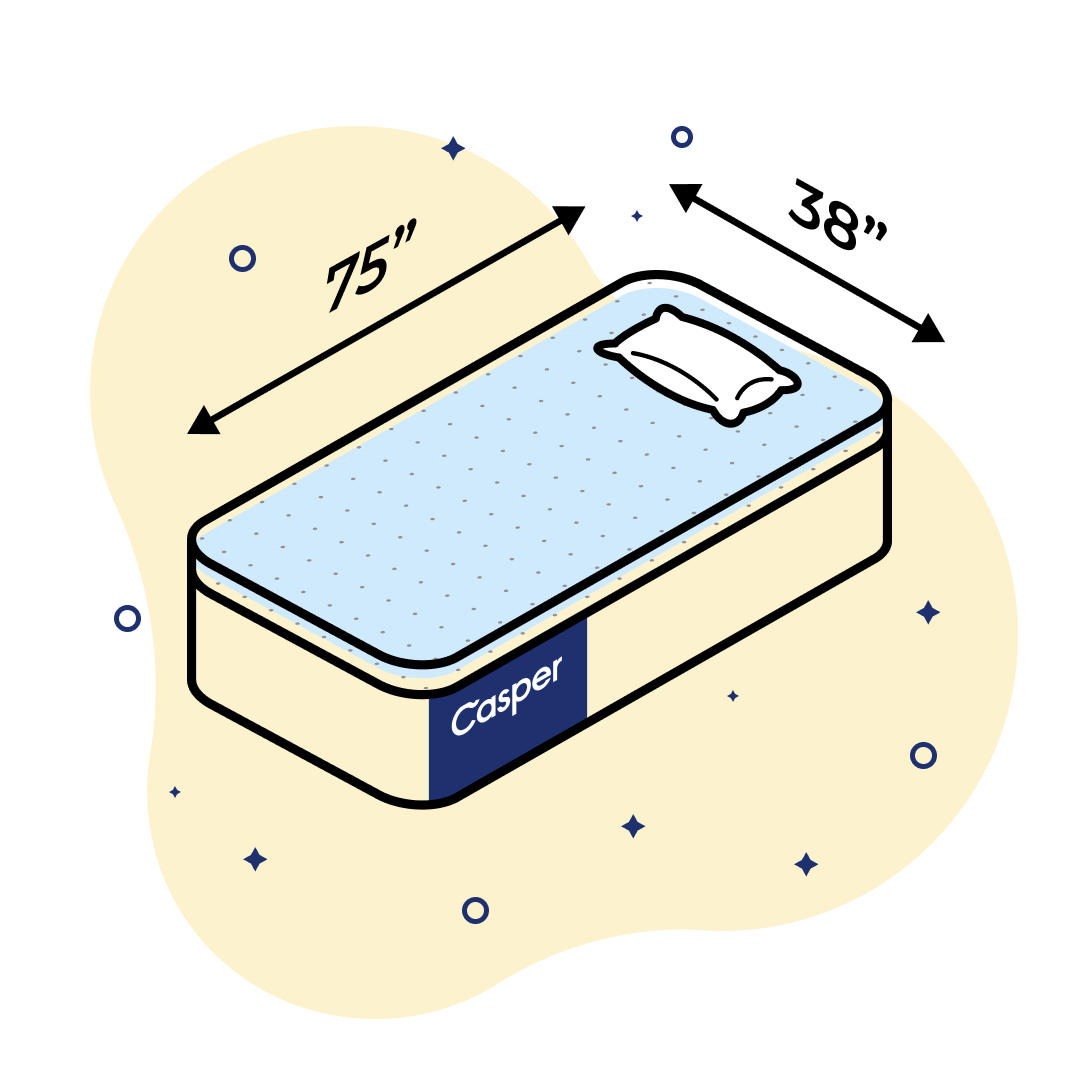
38-inches by 75-inches. Twin mattresses are best for young children, teens, or anyone under six feet tall. A twin mattress is the most affordable of the bunch.
Best size for: Single sleepers — children, adults with a smaller space, or for bunk beds.
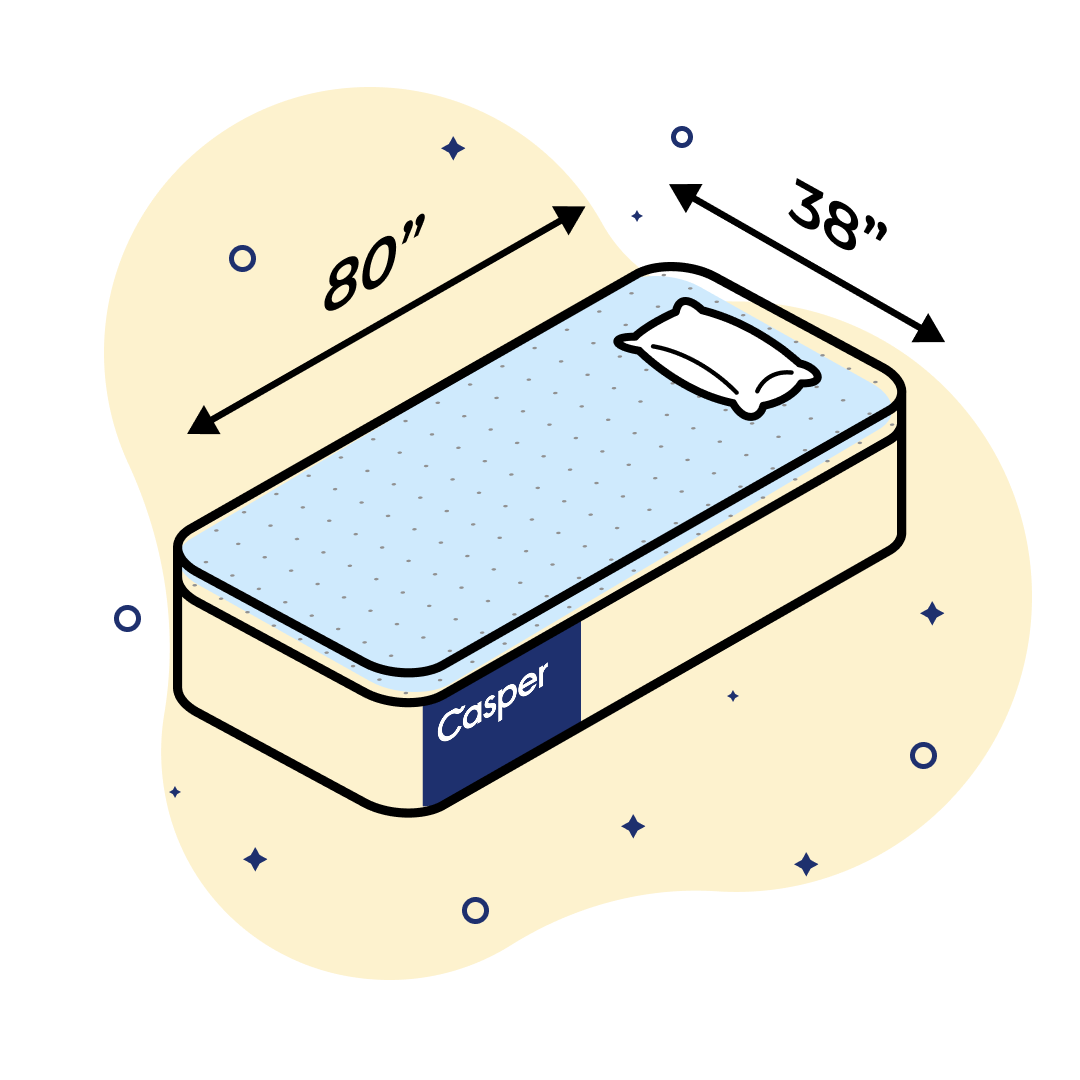
38-inches by 80 inches. Wondering what the difference is between a twin xl vs. twin? 5 inches longer than the twin, a Twin XL mattress is best for young children and teens sprouting faster than Jack’s beanstalk.
Best size for: Adults with limited space to work with or teenagers on the taller side
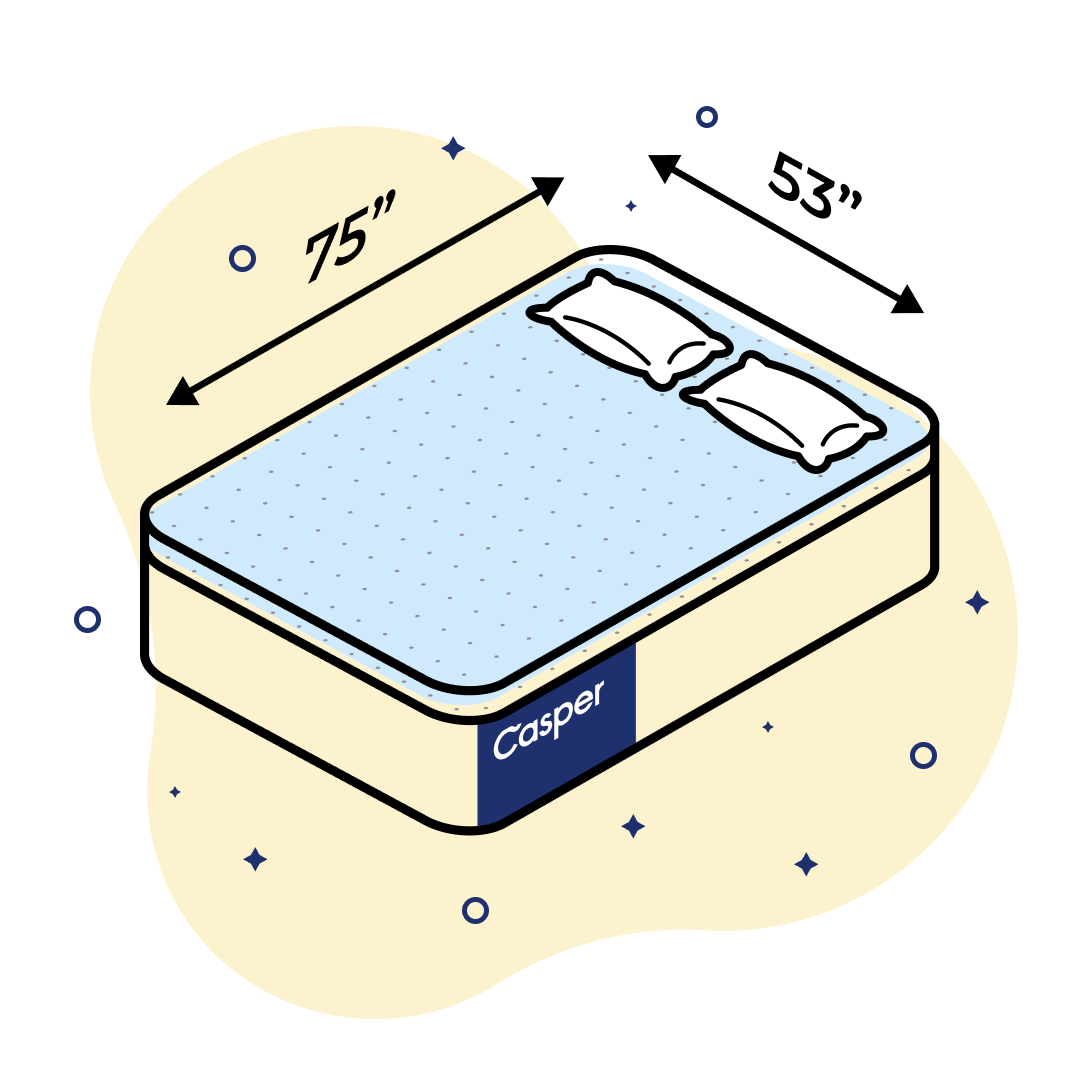
53-inches by 75-inches. A full mattress is suitable for singles or couples looking for compact comfort. Although, those taller than six feet should stay away unless they don’t mind your toes hanging off the bed.
Best size for: Single sleepers, couples who like to snuggle, or for a guest room
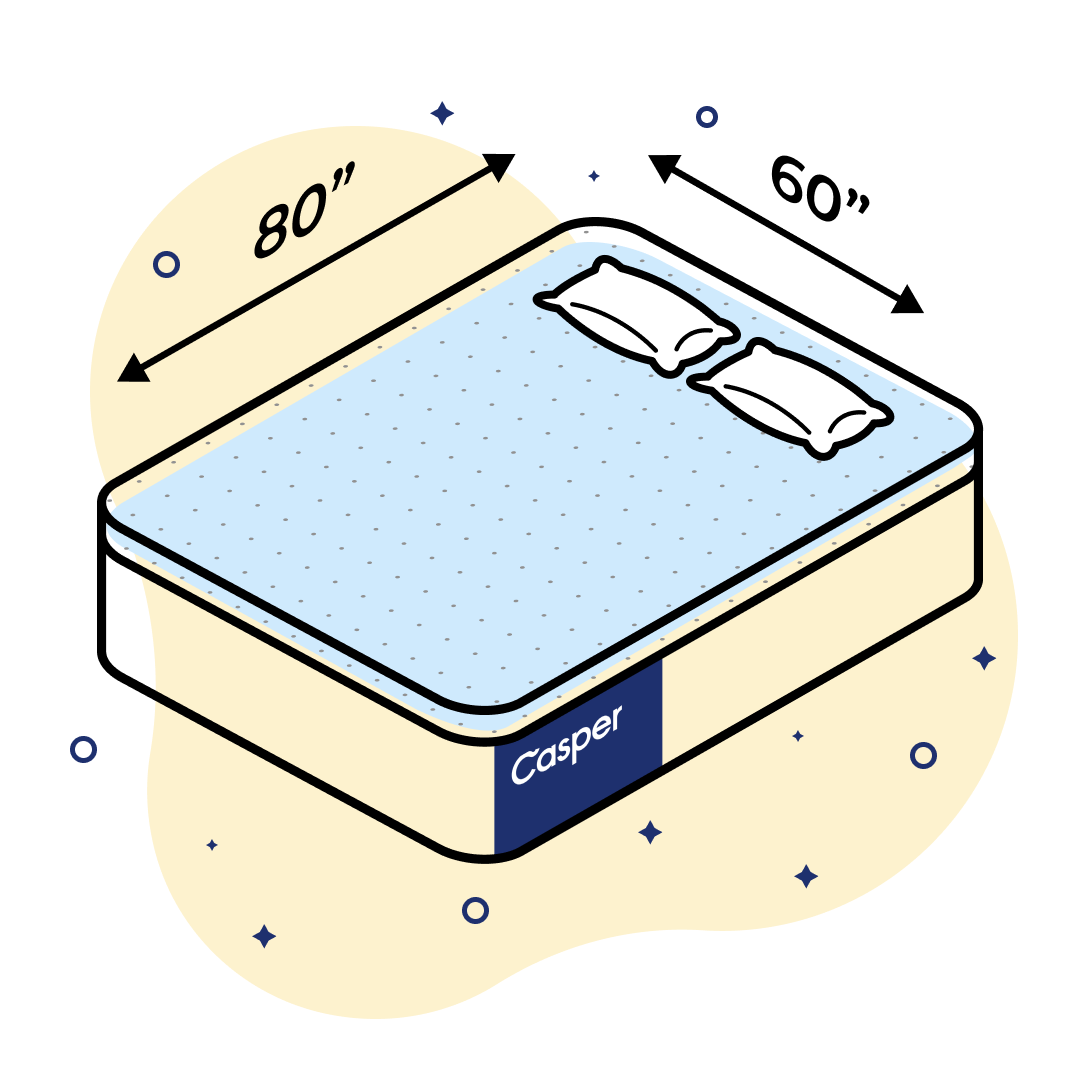
60-inches by 80-inches. A queen bed is one of the best bed sizes for couples who like to cuddle or even people with a few furry friends. This standard mattress size is perfect for a master or guest bedroom. Queen mattresses are typically similarly priced to full mattresses, so it’s a great investment if you have the extra space.
Best size for: Couples or adults that want some extra room
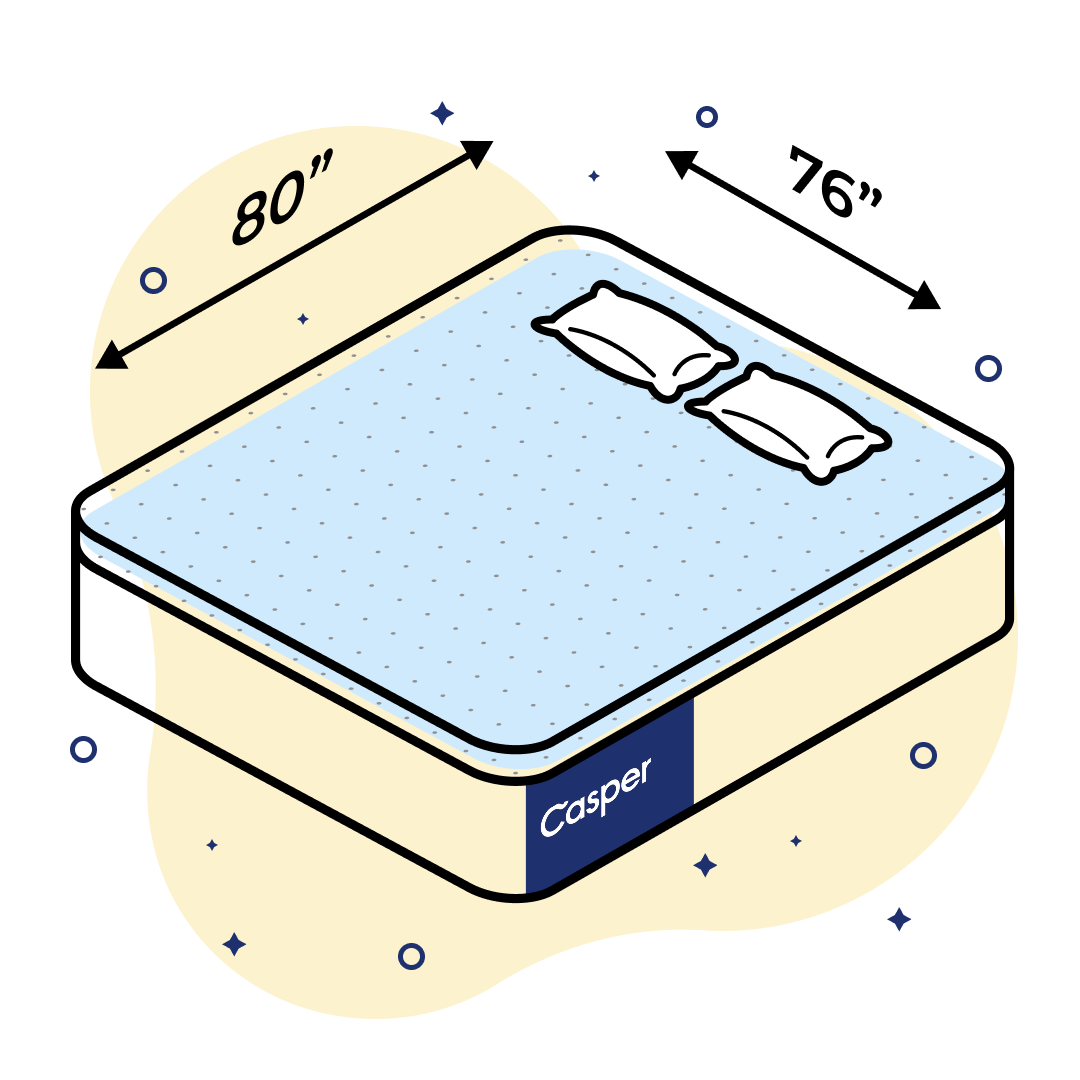
76-inches by 80-inches. For maximized space and comfort fit for a king, these mattresses are great for couples wanting a little extra space. Or parents with a few nightmare-ridden children that crawl into their bed. The drawback? A king mattress can make small spaces feel cramped.
Best size for: Couples who like space or have pets or children that sleep with them
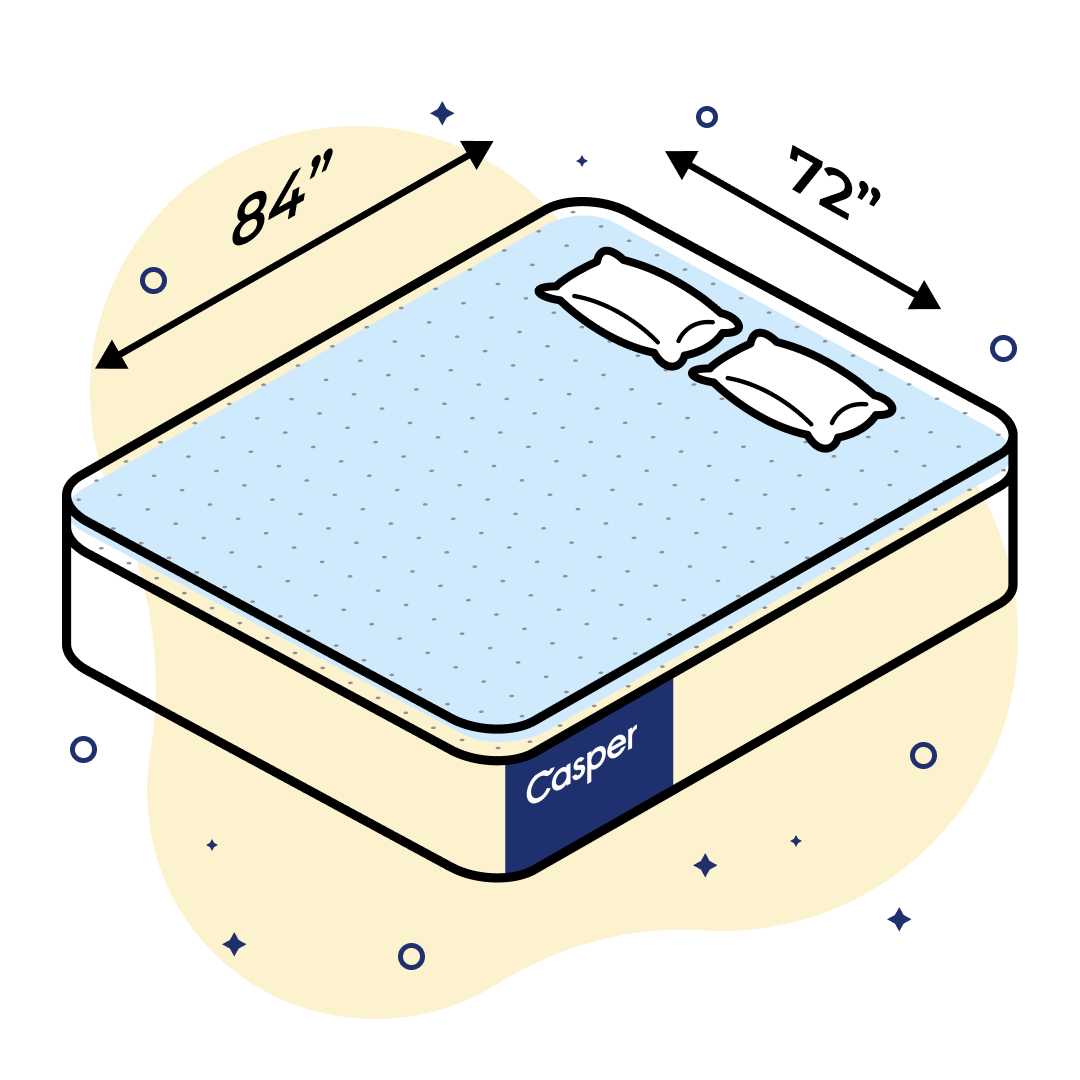
72-inches by 84-inches. When comparing a king vs. California king, a California king-size mattress is best for taller couples, looking for a coastline of space. Although, stray away from any cross-country moves, as moving a mattress of this size can be difficult. A California king mattress is typically the more expensive option, however, our Cal King and regular King are the same price.
Best size for: Couples that want plenty of space for themselves, children or animals

Mattress thickness — also called profile — typically ranges from 6 to 14+ inches and is one of the main drivers of price, since thicker mattresses require more material. Thickness does not directly determine comfort, but it does determine how much design room manufacturers have to build in comfort and support layers.
A useful rule: mattresses under 8 inches tend to be suitable only for children or short-term guest use. Adults, particularly side sleepers, typically sink 4–5 inches into a mattress; a 6-inch mattress will bottom out under that load.
Because thicker mattresses require more material, they’re automatically more expensive than thinner alternatives. Most often, mattresses comprise at least two layers. Mattresses of higher quality, however, often have a more intentional design and may have four layers or more.
So how does one gauge the best thickness for their sleeping needs? Well, we’ve got a chart to help you navigate how to pick a mattress.
Mattress Thickness Chart
As you sleep, your body sinks into the material of the mattress. A thick mattress—let’s say 10 inches—gives manufacturers more room to design a supportive cushion.
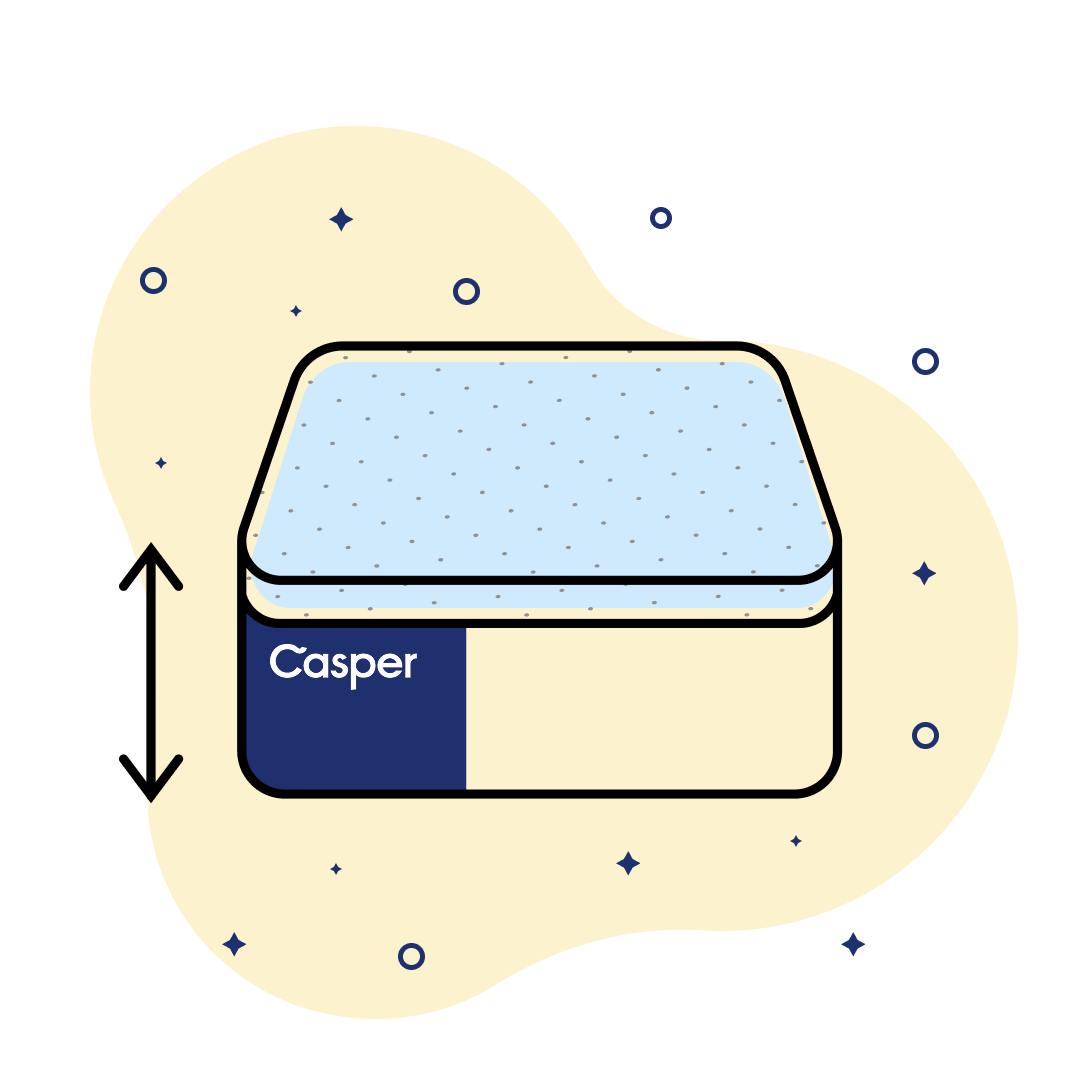
12 inches and above
These mattresses are extra deep and often considered a luxurious choice. Our most luxurious mattresses like the Dream Max and Snow Max fall within the deep profile. They are both designed with unique comfort layers composed of different materials that increase the durability, support, and comfortability of the mattress.
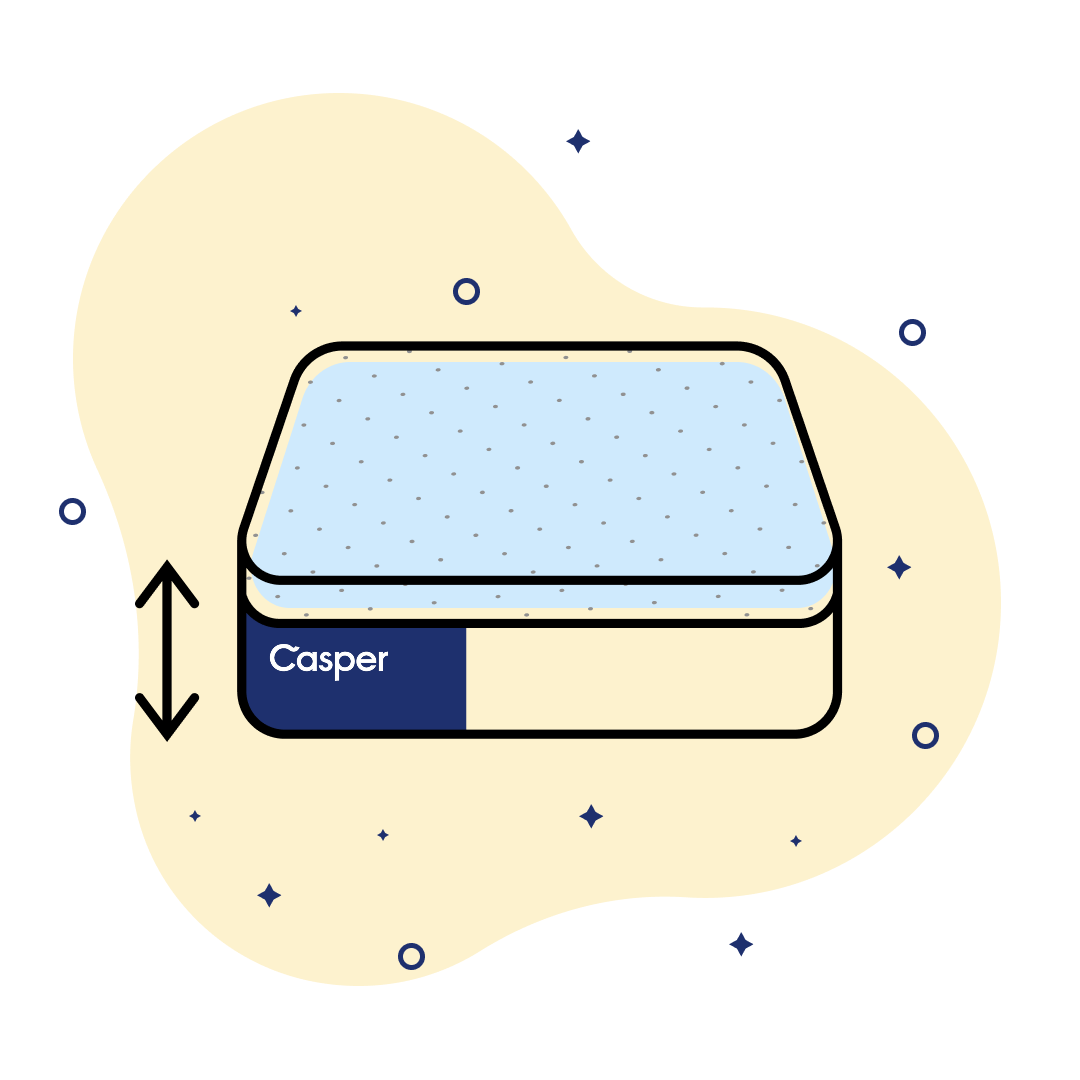
8 to 11 inches
These mattresses are lush and supportive and generally suited for all sleeping types. The One has a standard profile and is the perfect addition to any bedroom.
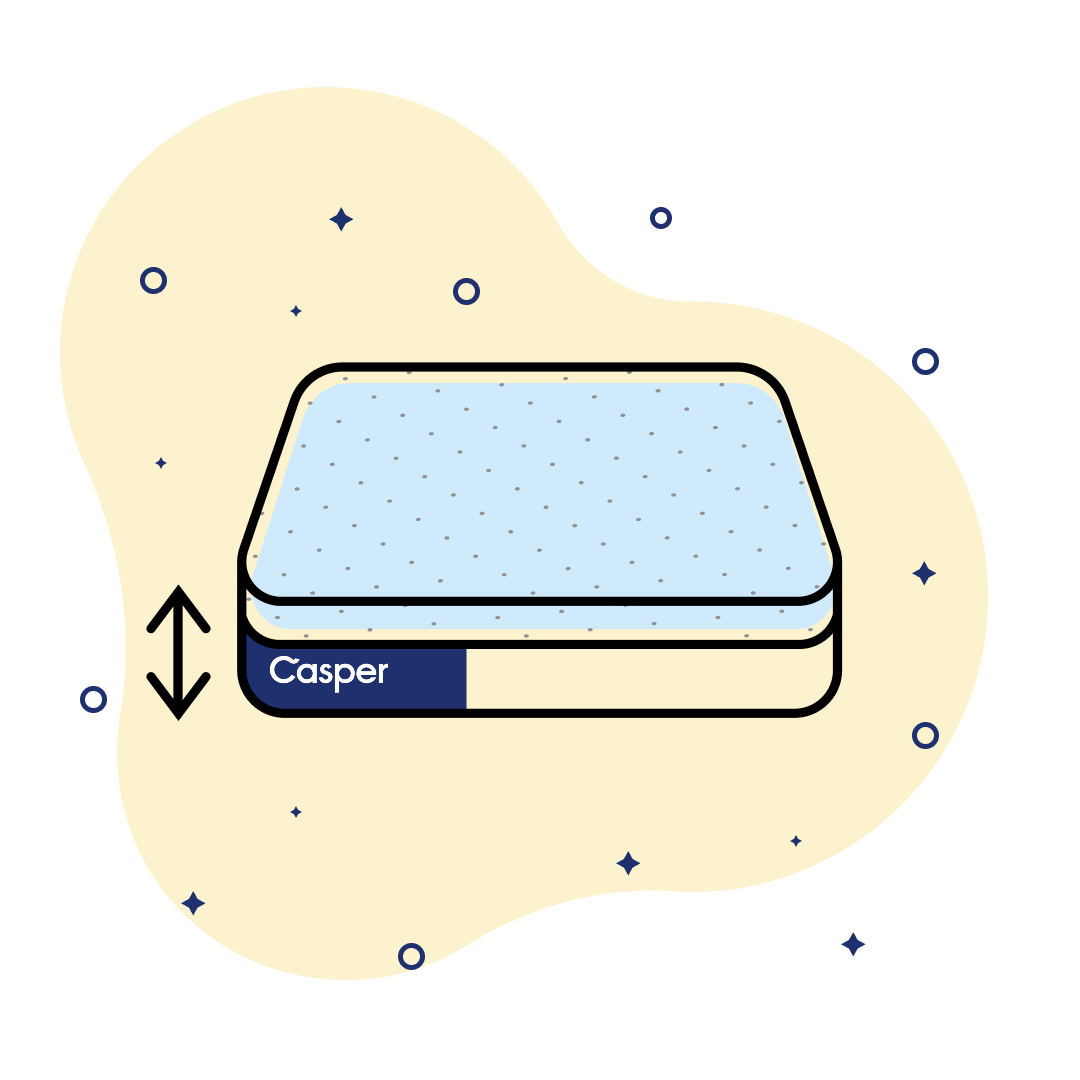
Less than 6 inches
Realistically, mattress buyers should not buy a mattress that’s less than 6-inches thick—they have very few design capabilities to provide adequate support and pressure relief. Side-sleepers will usually sink about 5 inches into the mattress, which means a 6-inch mattress would bottom out. Low profile mattresses may work for younger children who may not sink into the mattress much or for short term use in guest rooms. However, low profile mattresses are not ideal for long-term comfort.

Whether you’re small or tall, your mattress should support your whole body. To that end, let’s talk about spine alignment and comfort zones. These are key factors to consider when looking for a mattress that provides support.

Spinal alignment is probably the most important aspect when it comes to body support in a mattress.
Bad sleeping posture may lead to misalignment, which can cause soreness in the neck, back, and shoulders.
When you align your body properly during sleeping hours, you give your muscular-skeletal system a better chance to rest—whether it’s from hours hunched over a computer screen or spending seasons in the garden.
To avoid sleep-time soreness, body support is a crucial element when choosing a mattress.
Zoned support means different areas of the mattress have different firmness levels, matched to the pressure the corresponding body part places on it. A properly zoned mattress has three distinct zones:

Align the Spine

When determining how to pick the right mattress, you must consider your preferred firmness level. Firmness and support are not the same thing, and confusing them is the most common mistake in mattress shopping.
There is a common misconception that the firmness of a mattress affects its support, but really, firmness is subjective and does not equate to support. This is because firmness is determined by how far a sleeper sinks into their mattress, while support is measured by how well the mattress maintains a sleeper’s alignment.


When deciding between a firm or soft mattress, just make sure to choose one that is designed with zoning requirements for adequate support.
On the same mattress, a heavier sleeper will inevitably sink deeper than a lighter sleeper. So, when is a mattress too firm? Or how do you know if your mattress is too soft? To which, the perception of firmness or softness will be determined by the individual.
So how does one determine the best mattress firmness for them? Personal preference! As long as a mattress is zoned properly and supports your body correctly, you are free to choose a softer or firmer mattress.
When deciding between a plush vs. firm mattress, proper zoning looks different for each. As long as they follow these zoning requirements, choosing a firm or soft mattress will solely depend on your preference:
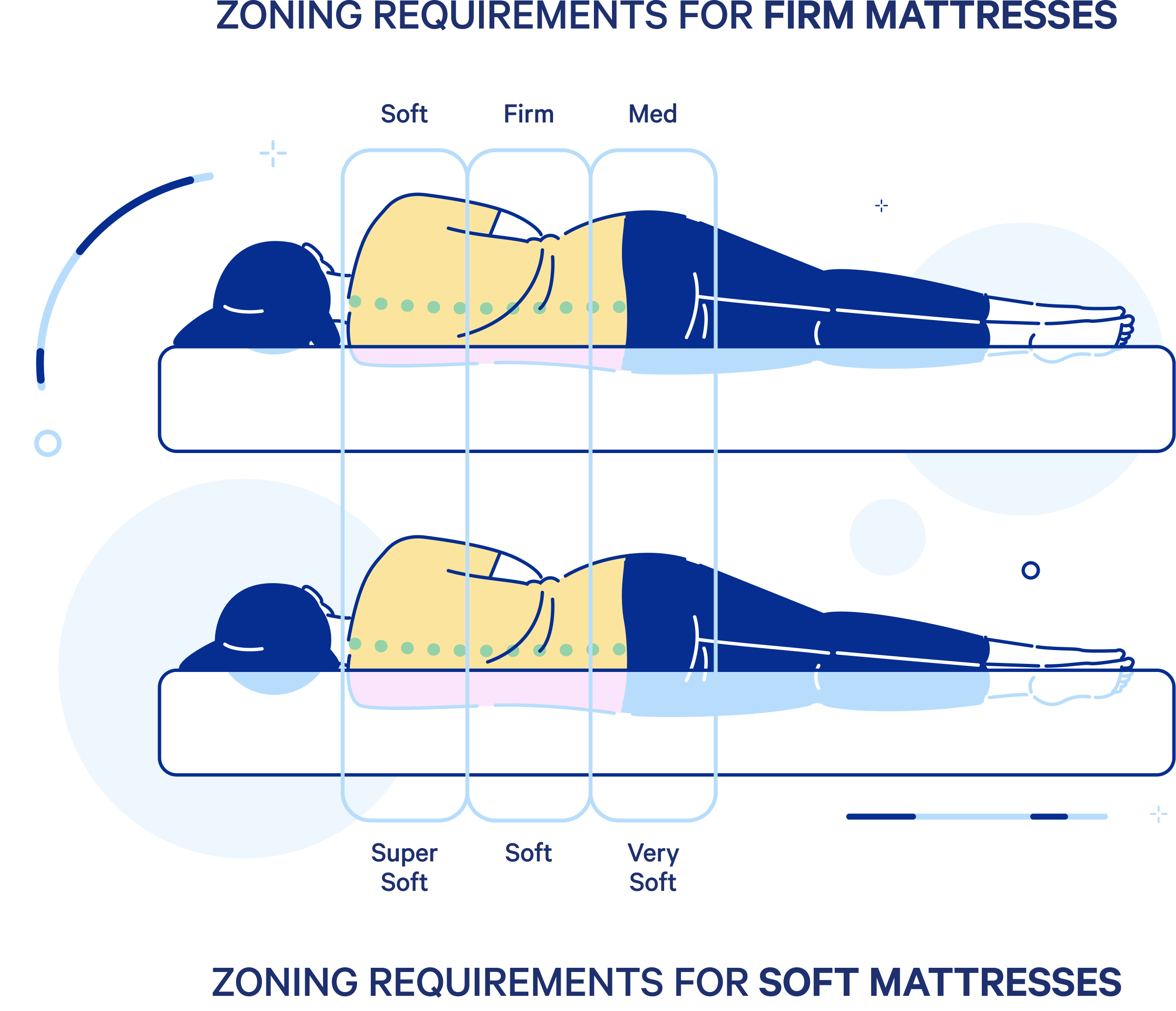
Ultimately, a mattress’s firmness comes down to how it’s made. A soft foam mattress can have wonderful body support that’ll have you waking wide-eyed and pain-free. Or it may suck you into a cushioned abyss. It’s all in the eye of the sleeper.
If you’re going old-school and mattress shopping in-store, test out a few of the cushioned beddings. A good rule of thumb is if you struggle to escape from the mattress’s quicksand-like padding, it’s best to move along to firmer mattresses.
We’ve all been there—tossing and turning without a moment’s shut-eye. But did you know that we still toss and turn even during deep sleep? In fact, people change positions at least 20 times per night.
Most sleepers often start off on their sides and transition to their backs throughout the night—or vice versa. As such, it’s important to find a mattress that can provide adequate support for different sleeping patterns and positions.
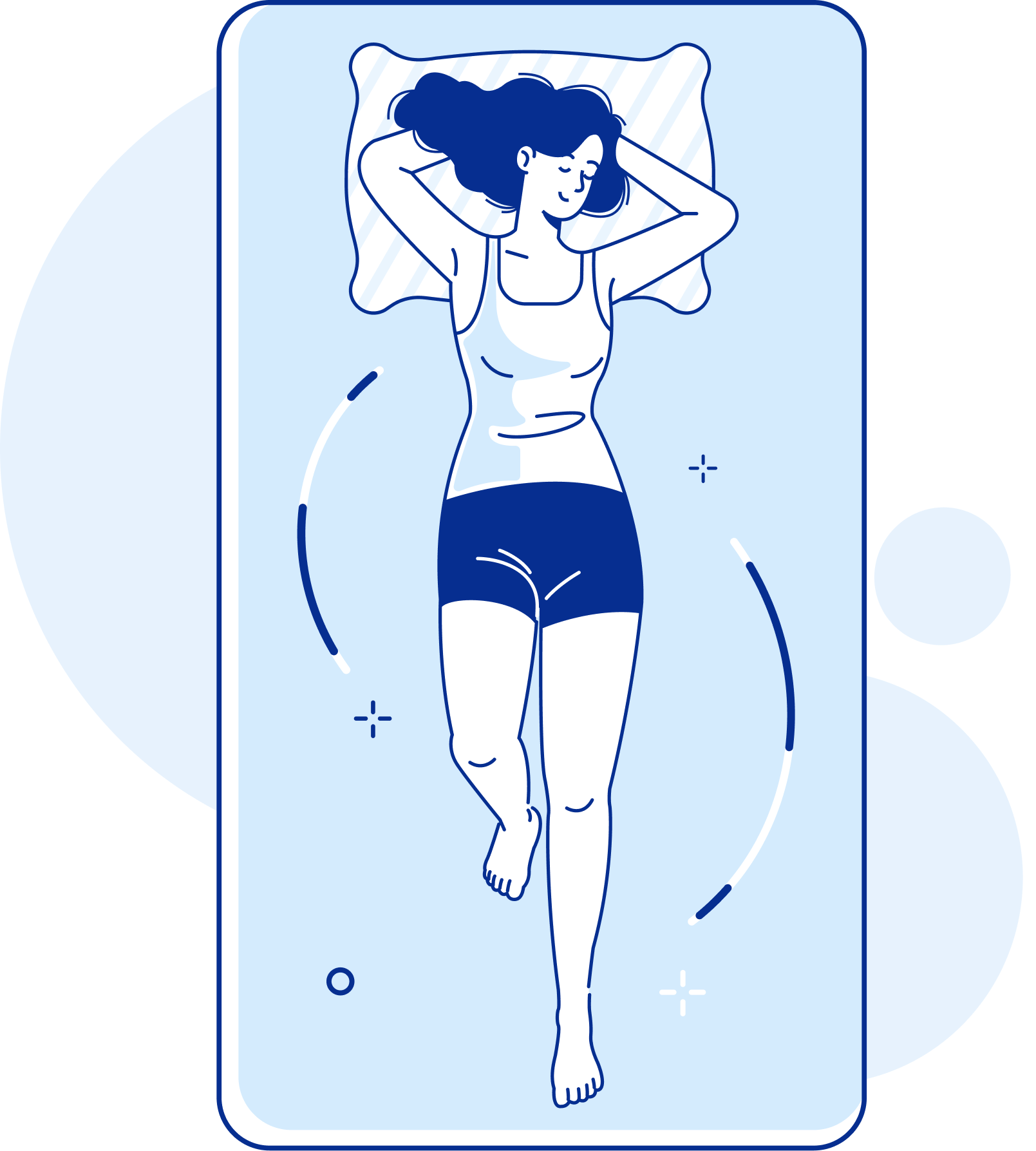
Back-sleepers, rejoice! Lying flat on your back is the best way to maintain the natural curvature of your spine and evenly distribute your weight across your body as you sleep. There is also more flexibility in your spine and reduced risk for injury. Although, it helps to find a mattress that gives you a little extra support under your lower back to relieve lower back pain.
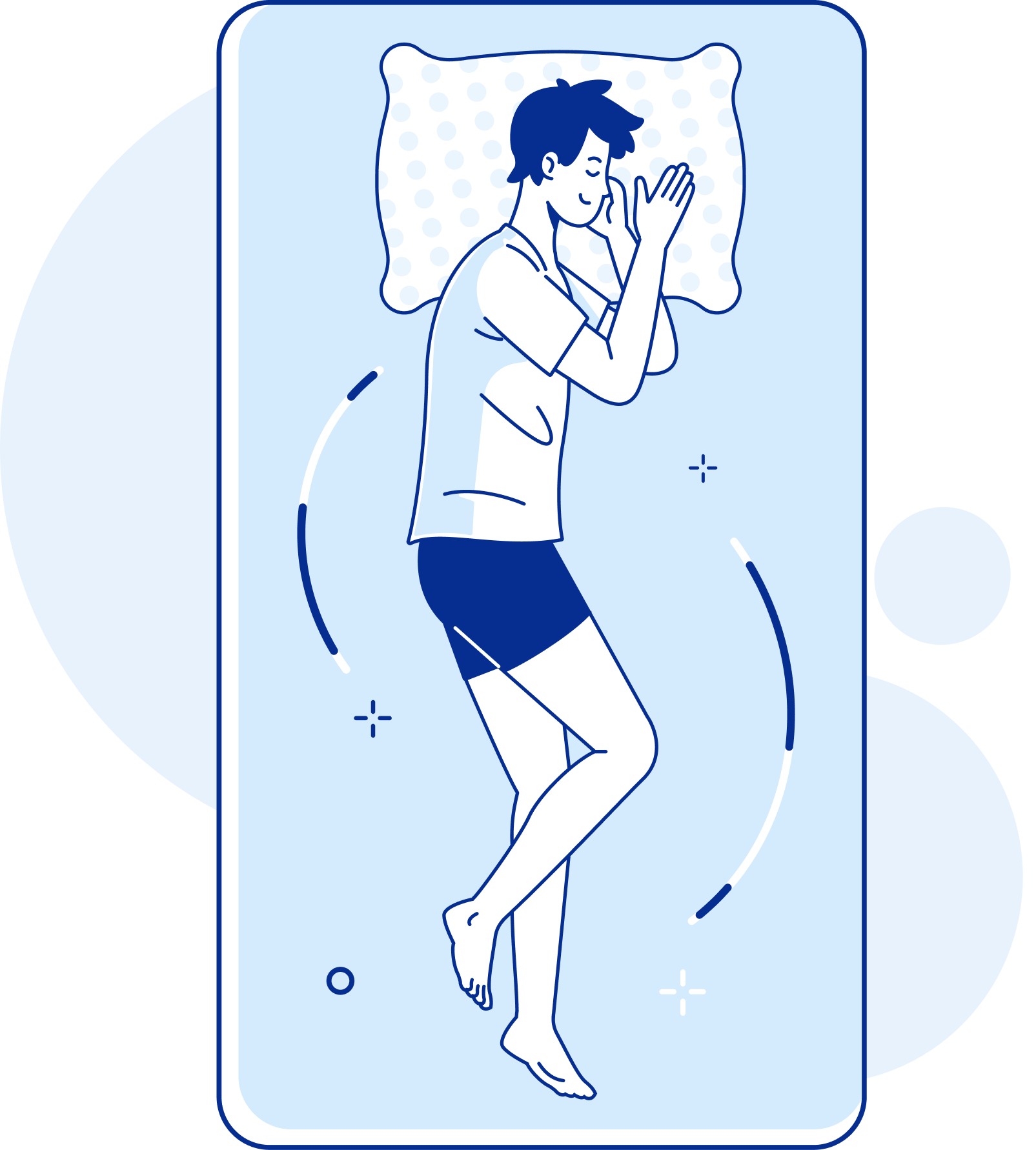
This is arguably the most common sleeping position. Because your spine has less flexibility bending sideways, inappropriate support for your body could easily lead to back discomfort. Side sleepers should look for a mattress that provides appropriate support at different body segments to straighten your spine while you sleep.
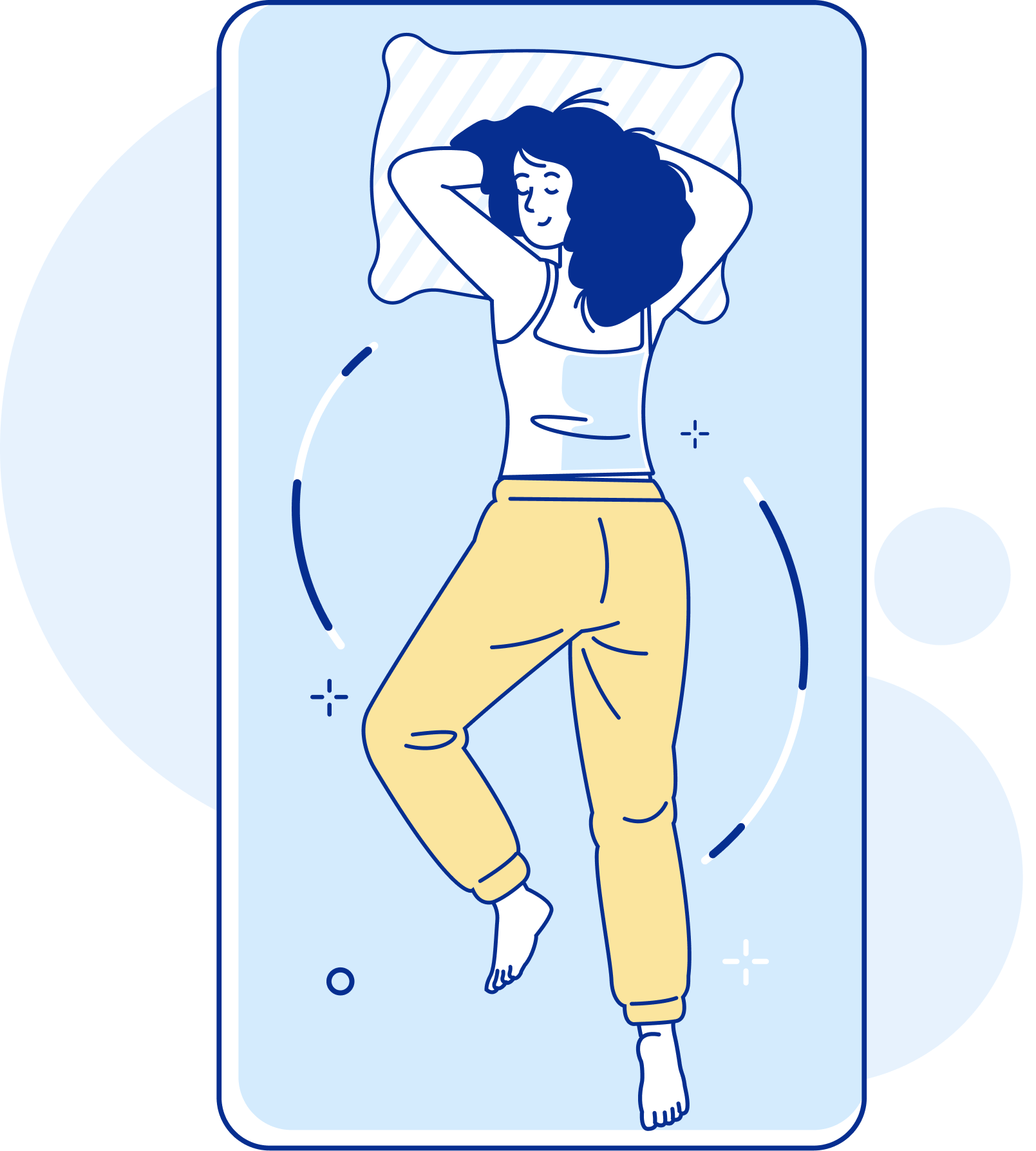
Is it bad to sleep on your stomach? Maybe. Stomach sleepers are prone to spinal misalignment and early-morning soreness. When facing down on a soft mattress with poor support, your body can get stuck in an uncomfortable backbend which may cause muscle fatigue. If possible, find a firmer mattress to keep your spine and head aligned better as a stomach sleeper. This will better work with your body’s natural flexibility and help to avoid common causes of back pain.
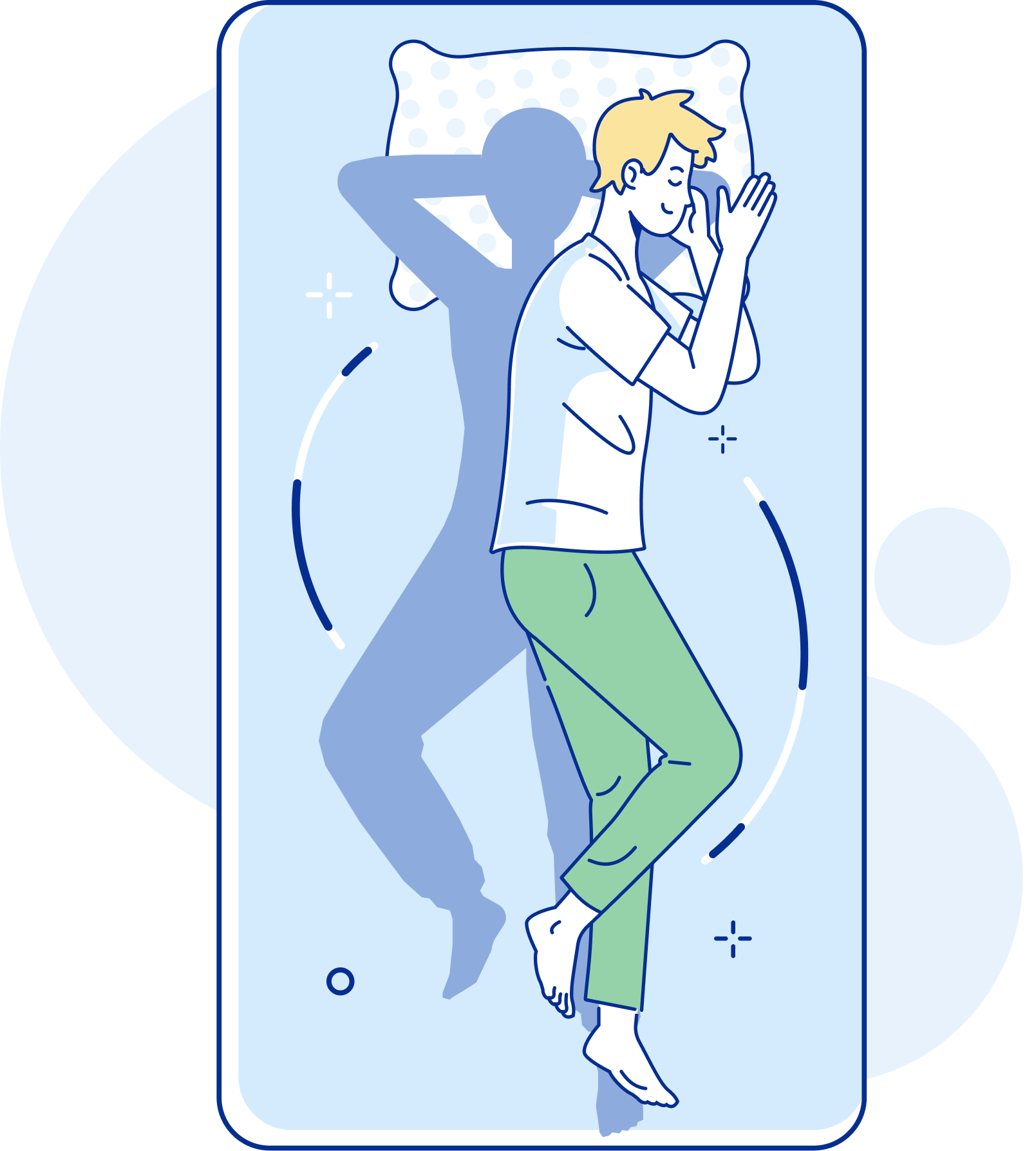
Since combination sleepers toss and turn throughout the night, they need balance in a mattress, which can come in the form of mattress zoning.
Your sleeping position matters, but so does the body doing the sleeping. Body weight can determine how deeply you sink into a mattress, which directly affects spinal alignment and how firm or soft a mattress actually feels to you.
Sleepers under 130 lbs don't sink as deeply, which means you may not get enough contouring from a standard mattress. Lean toward a softer foam or hybrid to ensure your shoulders and hips get the pressure relief they need. Traditional innersprings tend to be a poor fit.
Most mattresses are built with this range as the baseline, so firmness ratings will be most accurate for you. Use your sleeping position as your primary guide. When in doubt, medium-firm mattresses are ideal and usually serve as a reliable middle ground.
More body weight means more sinkage — particularly at the hips and lower back — which can throw spinal alignment off if your mattress doesn't push back. Look for a firmer feel, thicker construction (12"+), and a hybrid mattress with a coil core for structural support. Our Dream Max and Snow Max are built with exactly this kind of deep, responsive support in mind.
Take into account that you're shopping for two bodies at once. A mattress with good motion isolation — foam and hybrids both excel here — keeps one person's midnight shuffle from waking the other. If your builds are very different, a medium-firm hybrid with solid zoning tends to work well across a wider range of sleepers.

There’s no right or wrong answer when it comes to how to choose a mattress type. Really, it greatly depends on your personal comfort preferences and the overall feel of the mattress.
Are you in the market for something you can rely on—a firm and sturdy foundation?
Or are you more enamored with something plush and pliant—something that really supports your soft spots?
No matter your preference, there’s a mattress out there for you.
But first, you must review the different mattress types:

The most traditional of the mattress types, innerspring mattresses are made up of coils and springs that are hidden under layers of fabric, latex, or foam. However, the majority of the mattress is designed with coils or springs.

Foam mattresses are typically made with a combination of different foam types. They are different types of foam mattresses based on whatever foam type is most dominant in its layers. Some foams are bouncier than others while others, like memory foam can absorb large amounts of pressure and motion transfer. Some firm mattresses are made of foam to help with your posture, specifically with spine alignment.

What is a hybrid mattress, you ask? A hybrid mattress combines both springs and foam. They’re supportive and plush.

Latex is a rubber-like material known for its responsive, buoyant feel. When you press into it, it pushes back immediately rather than contouring around you. This makes it a popular choice for sleepers who want support without that "sinking in" sensation. Memory foam, by contrast, compresses slowly and molds to your body shape. Both materials are pressure-relieving, but the sleeping experience is notably different: latex feels lively and bouncy, while memory foam feels deep and enveloping. Check out our blog to learn more about latex vs. memory foam.
With a roster like that, you’re sure to find yourself drifting through countless sheep-filled dreamscapes. Aside from looking up different materials, do a thorough mattress review. This includes researching different mattress manufacturers and finding out what other customers say about them. You should also consider your body type into consideration so that you not only find the right mattress type but also the right mattress size.

If you sleep hot at night, be sure to choose a mattress that’s designed with cooling technology
Temperature plays a big role in your night’s sleep and if you naturally sleep hot, your choice of mattress can help with that. If you tend to wake up drenched in a sweaty stream, a cooling mattress can make all the difference.
Casper mattresses generally sleep cooler than most foam mattresses, but for an ice-cold upgrade, you can opt for our cooling Snow Technology. Our QuickCool™ Covers are infused with phase change materials that are cool to the touch helping you feel refreshed when you get into bed.The HeatDelete™ bands reduce the excess heat that naturally builds within foam and latex mattresses, providing you with a cooler overnight experience.But a mattress is just one part of the dream team. In addition to our chilly Snow Mattresses, we also offer an entire Casper Cooling Collection that’ll give you shivers—the good kind, of course—complete with:

This cooling mattress protector is made with light-as-a-feather material that keeps your mattress clean while keeping you cool.


There is a variety of lightweight, cooling duvets that engulf you in comfort without all the over-heating.

If you sleep hot at night, be sure to consider a mattress that’s designed with the best cooling technology and avoid those with heat retention.
You don’t need a pile of mattresses to achieve comfort. For those dreaming of plush, cloud-like mattresses that offer maximum comfort, choose Casper. Our collection of dreamy mattresses come in all shapes and sizes. When it comes to cozy Casper mattresses, just choose your pick of the bunch:
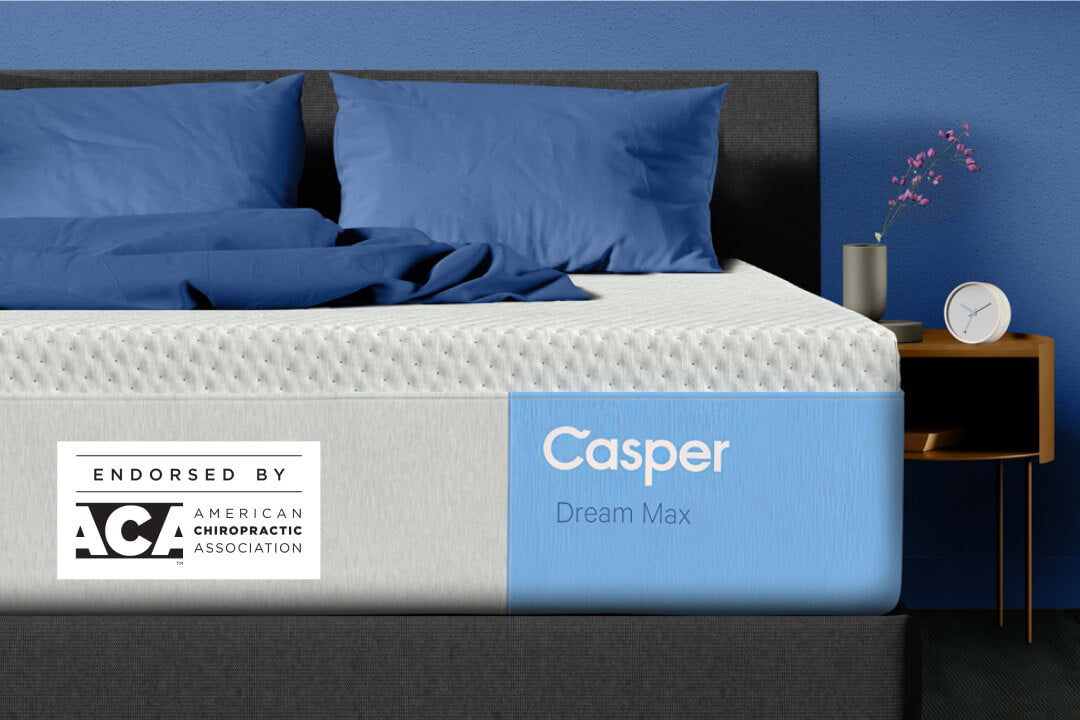
Advanced Support
Our most supportive mattress, designed to help alleviate aches and pains.
Best for: Those with back pains or aches and want maximum support
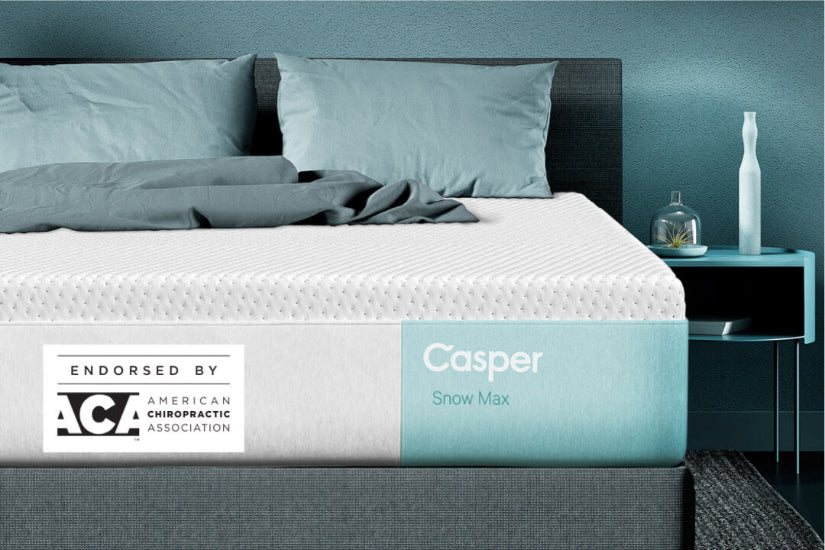
Most Comforting
Our most soothing mattress, providing proper support where you need it most.
Best for: Those who prefer a luxuriously cozy and cool night’s sleep
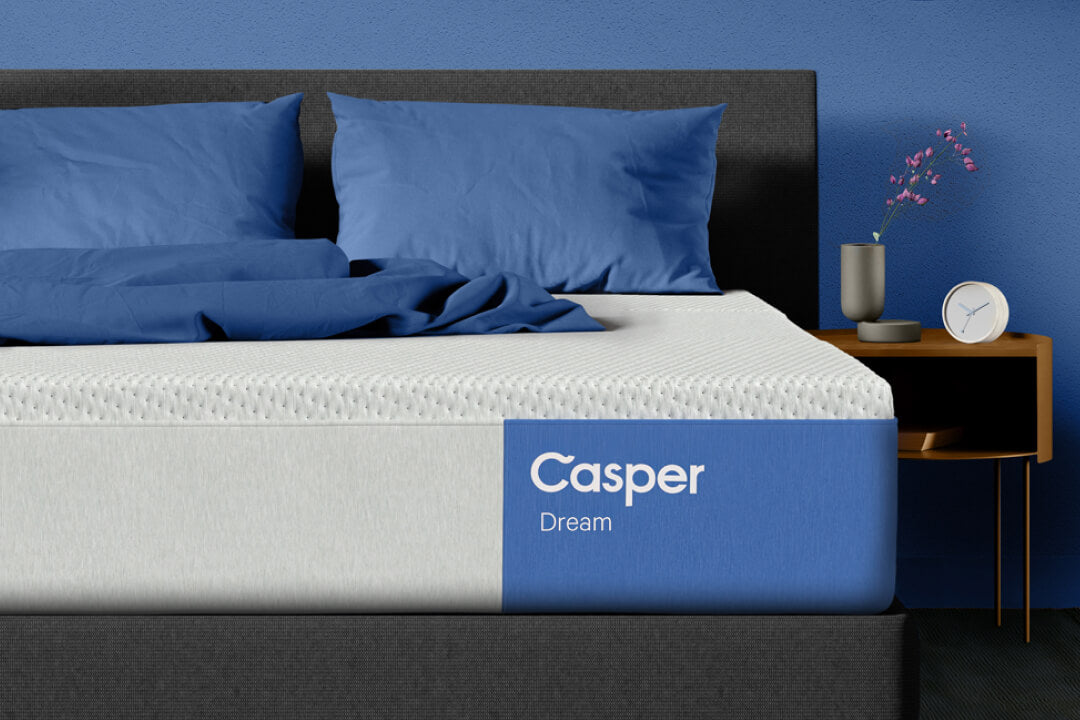
Most Popular
Our biggest crowd-pleaser, offering the perfect balance of support and cooling features.
Best for: Those who want a breathable, comfortable mattress that won’t let them down
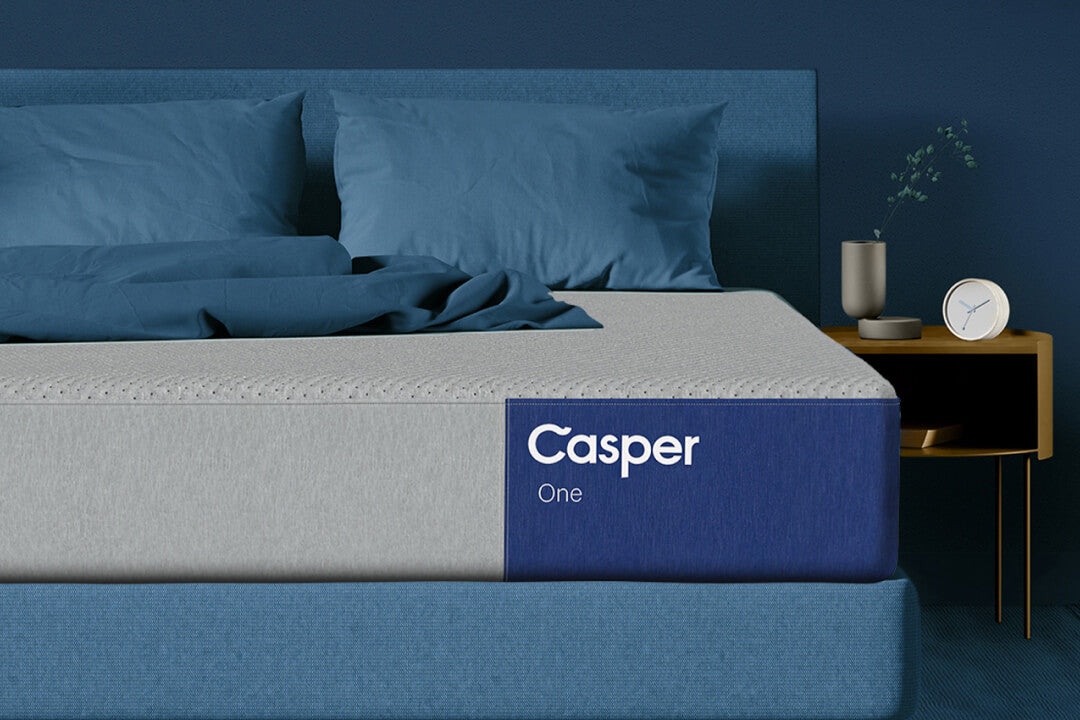
Comfort around $1000
Affordable mattress, offering maximum comfort and coziness.
Best for: Those who are on a budget but still want great comfort
Like with any good investment, you also have to be mindful of the price. So, find out how much the mattress cost before buying it. Regardless of your choice of mattress, Casper is sure to please.
SWNS. Study: Americans Spend Nearly Half Their Lives Lying in Bed
https://swns-research.medium.com/study-americans-spend-nearly-half-their-lives-lying-in-bed-557f57bfeb43
Good Housekeeping. Your Ultimate Guide to Mattress Sizes and Bed Dimensions.
https://www.goodhousekeeping.com/home-products/a34058112/bed-mattress-size-chart/
Coastal Orthopedics. How Sleep Position Affects Your Spine.
https://www.coastalorthoteam.com/blog/how-sleep-position-affects-your-spine
Every 7–10 years for most types; latex lasts 12–15 years. Signs include visible sagging of 1.5 inches or more, waking with new aches, or noticeably better sleep in other beds
Medium-firm mattresses have the most clinical support for back pain. A 2015 study in The Lancet found medium-firm mattresses reduced back pain more than firm ones over 90 days.
Side sleepers generally do better with a medium to medium-soft mattress. The shoulders and hips need to sink in enough to keep the spine straight.
CertiPUR-US is a third-party certification confirming the foam was manufactured without ozone depleters, heavy metals, formaldehyde, or prohibited flame retardants. It's the most widely recognized foam safety standard in the U.S.

Our Comparable Value prices reflect the price at which we or third parties have offered this item or a comparable item.
 How does Casper create the best value products for their sleepers?
Our team regularly searches the market and tests comparable mattress and sleep products to ensure that ours offer top-quality materials, the most value for your dollar, and the best sleep experience on the market.
 Every Casper mattress is designed and assembled in the USA.
As part of the Carpenter Co family, Casper mattresses are manufactured by the largest foam manufacturer in the world—no middle man, no markups, just the best prices for our sleepers.
 We don’t rely on gimmicks—just 12+ years of expertise.
With 12+ years in the mattress and bedding industry, the Casper team knows what makes a great night’s rest and what’s just fluff. Our mattresses and bedding are obsessively-engineered and precisely-layered to help you get your deepest sleep ever.
 We don’t sleep on getting you the best possible deal.
The Comp. Value shown for Casper products is never set it and forget it. Our team conducts thorough market research every quarter to ensure our comparable value is always accurate to the bedding market and the three most comparable products, so you never have to worry about missing out on savings.