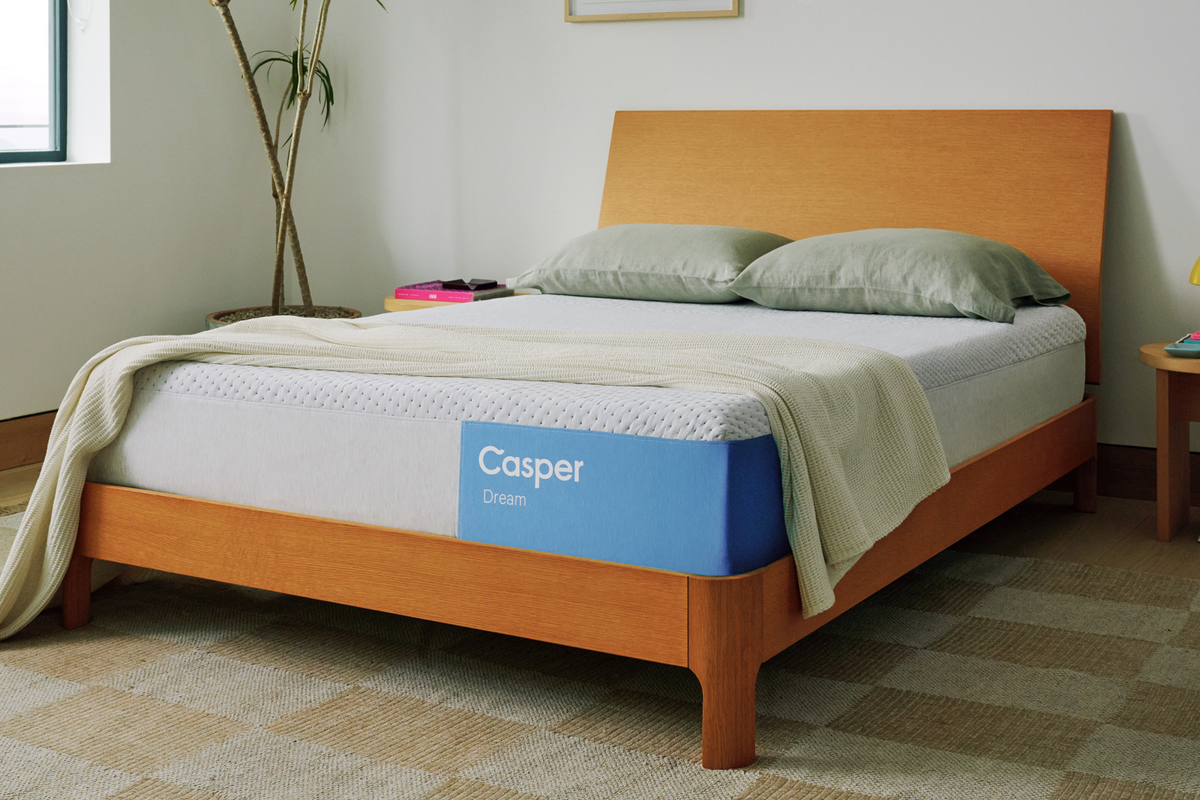






Buying a mattress is one of the bigger purchases you'll make for your home, and the sticker prices can make it feel like a splurge you just have to accept. The good news is you don't have to pay full price for a great night's sleep. Between the timing of your purchase, where you shop, and a few tricks retailers would rather you didn't know, there's real money to be saved. Here are nine ways to bring the cost down without giving up sleep quality.
1. Shop Around Holiday Sales
Presidents' Day, Memorial Day, and Labor Day are the anchor sales for mattress discounts. These three consistently produce the deepest markdowns of the year, and it's not a coincidence. Mattress brands plan their biggest promotions around long weekends when people are already in a shopping mood. If you can hold out a few weeks for one of these to roll around, your patience will usually be rewarded.
Black Friday and Cyber Monday are worth watching too, though the deals can be a bit more unpredictable from year to year. Either way, set a floor for yourself before you start browsing. If a sale isn't offering at least 15% off list price, it's probably not worth calling a sale. Knowing your baseline keeps you from getting swept up in a countdown timer and a banner that says "today only."
2. Buy Online vs In-Store
Online mattress brands can skip the overhead that comes with a physical showroom. No rent, no floor staff, no commissioned salesperson steering you toward the priciest model on the floor. That savings tends to land right in your cart, which is why buyers who purchase online typically spend meaningfully less than those who buy in a store.
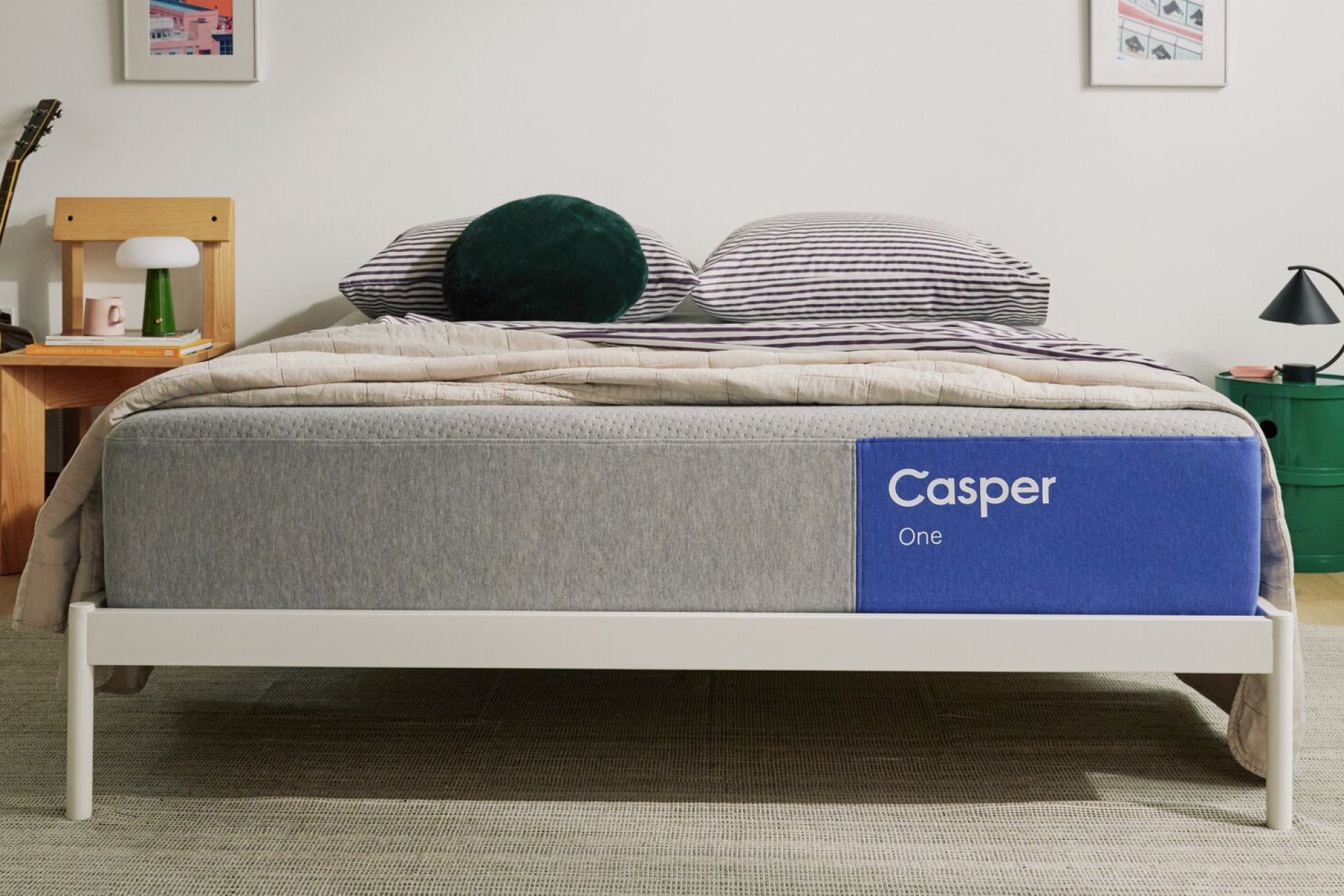
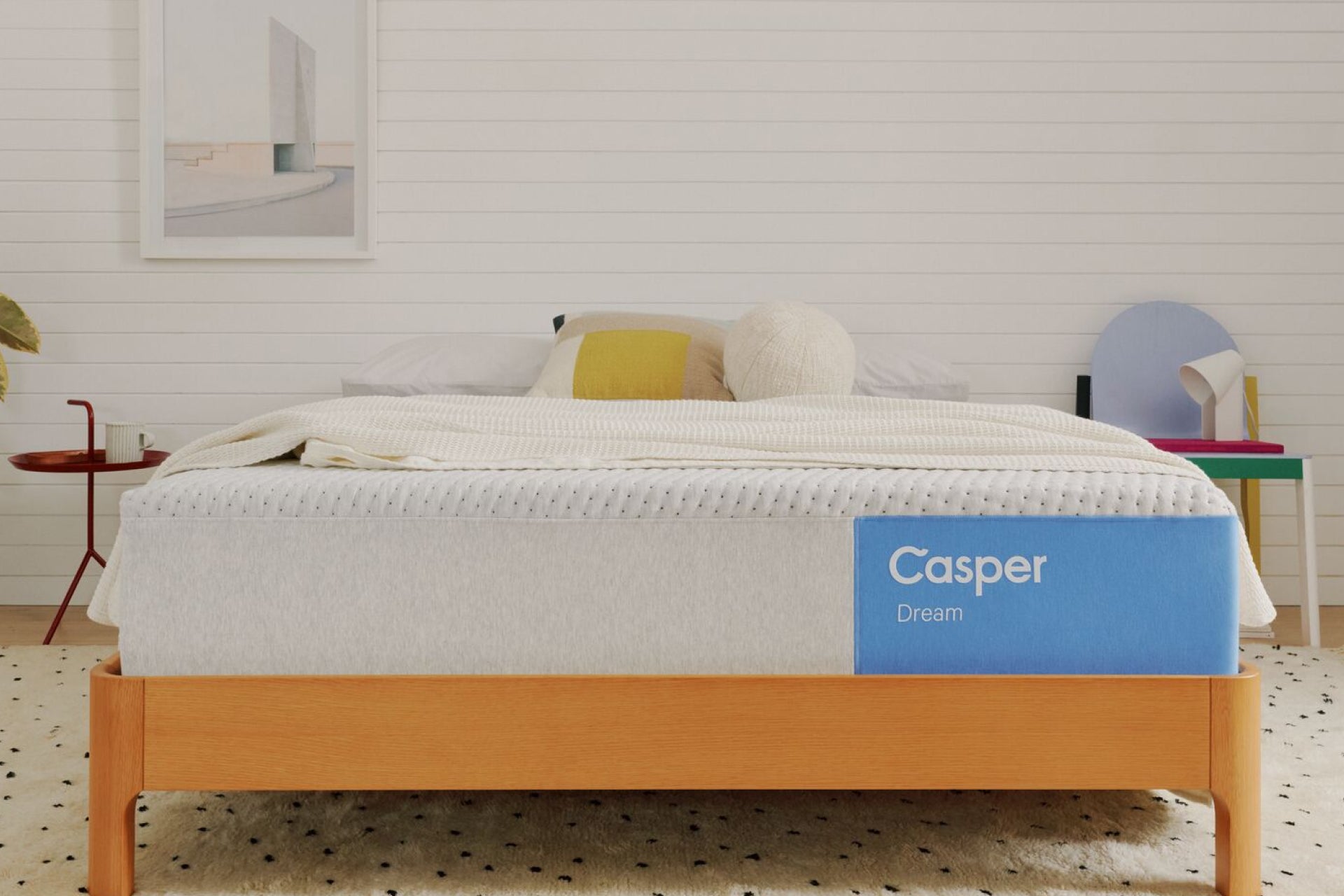
The Casper Sleep Shop, however, is our showroom experience curated for a calm, personalized mattress selection process and we’ve ensured that you’ll get the best price regardless of whether you buy online or in-store.
Free shipping and long sleep trials, often 100 nights (like Casper’s!), come standard with most direct-to-consumer brands. Casper's trial gives you a full season to test things out in your own bedroom. If it's not right, you send it back. No traditional showroom small talk required.
3. Look Into Mattress Bundles
Buying a mattress, a bed frame, and bedding as three separate purchases adds up fast, and the total usually lands higher than people expect. Bundling is one of the more underrated ways to stretch your budget, since brands price the combo lower than the sum of its parts and you knock out your whole setup in one order.
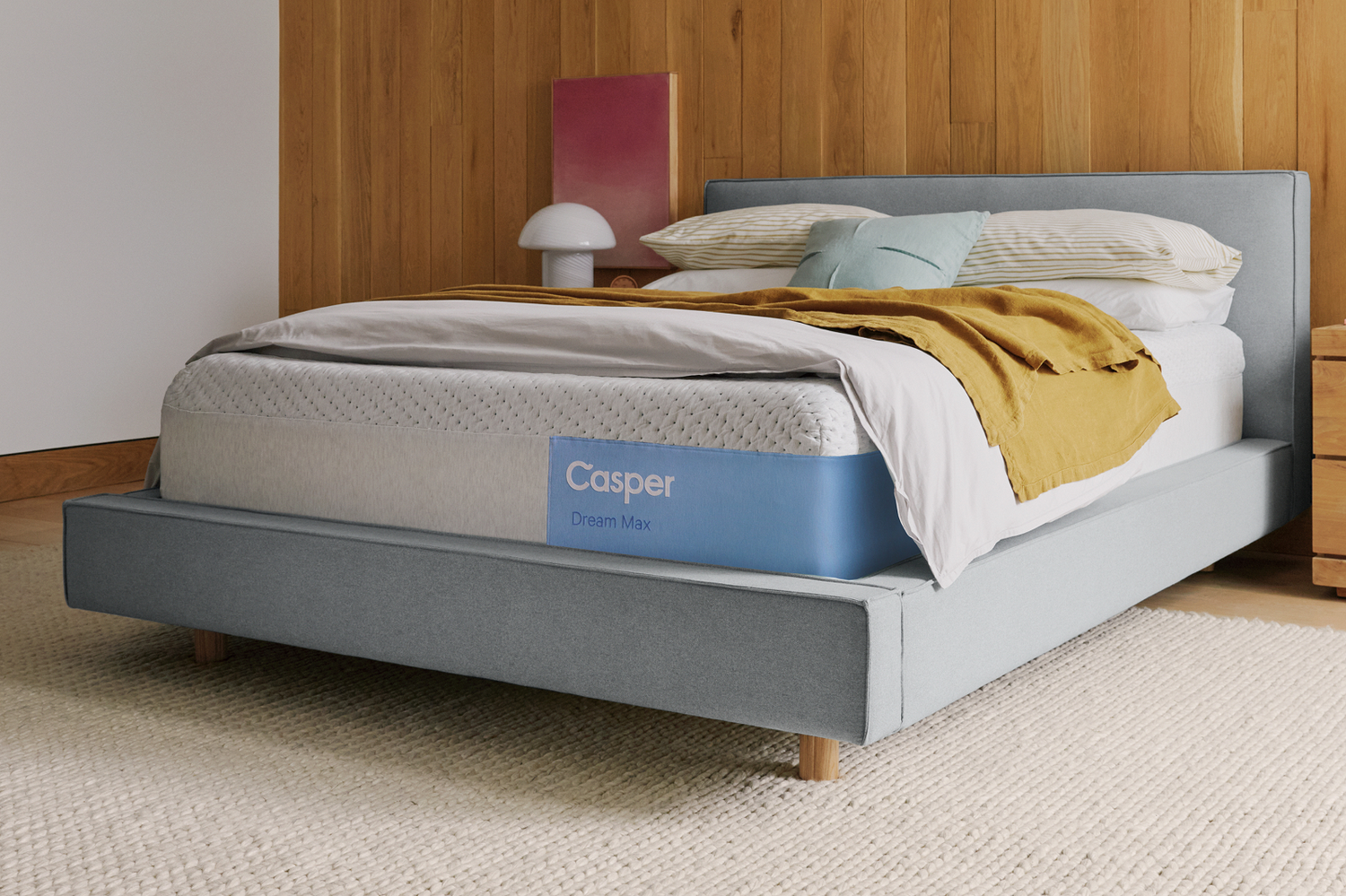
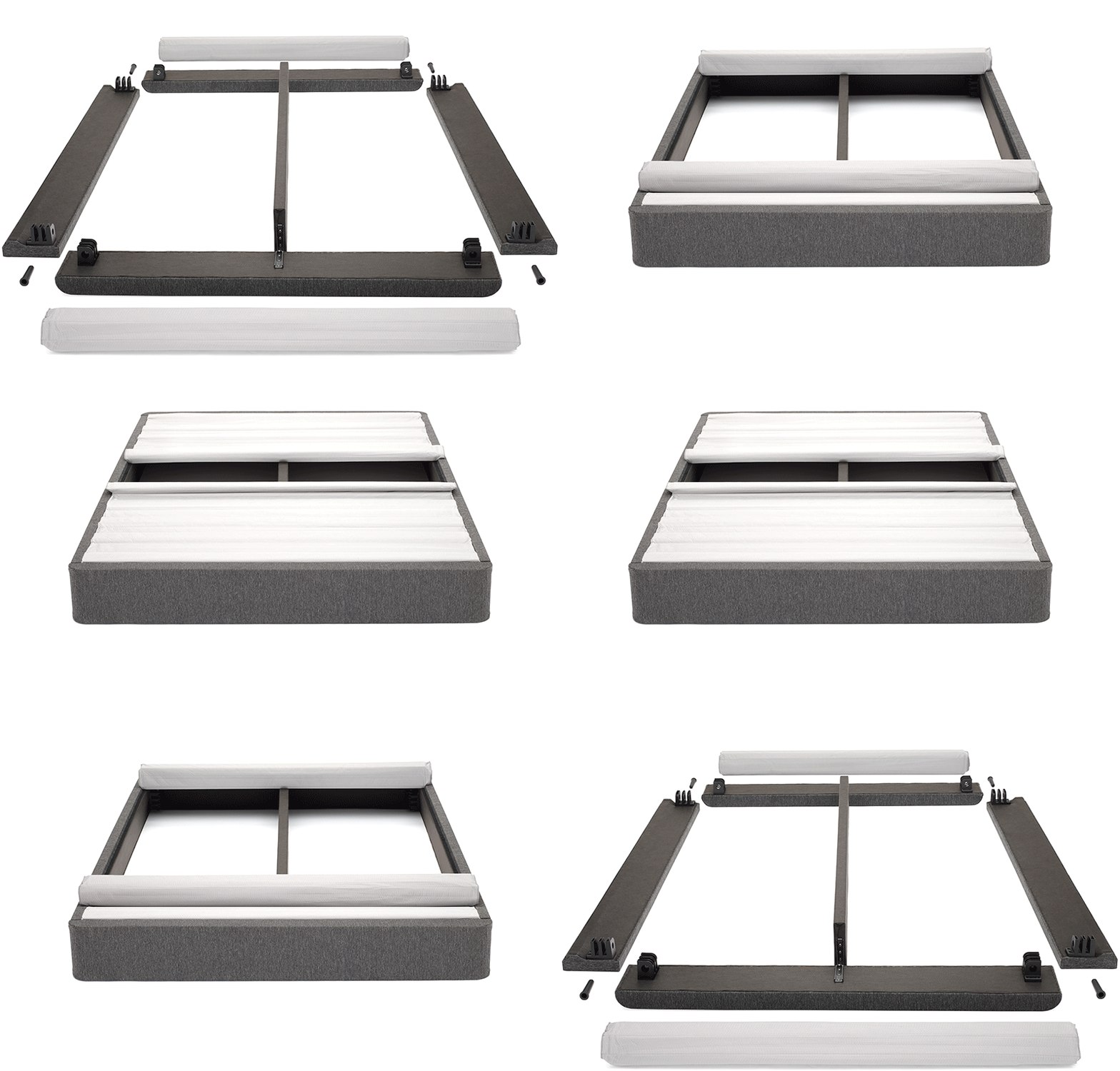
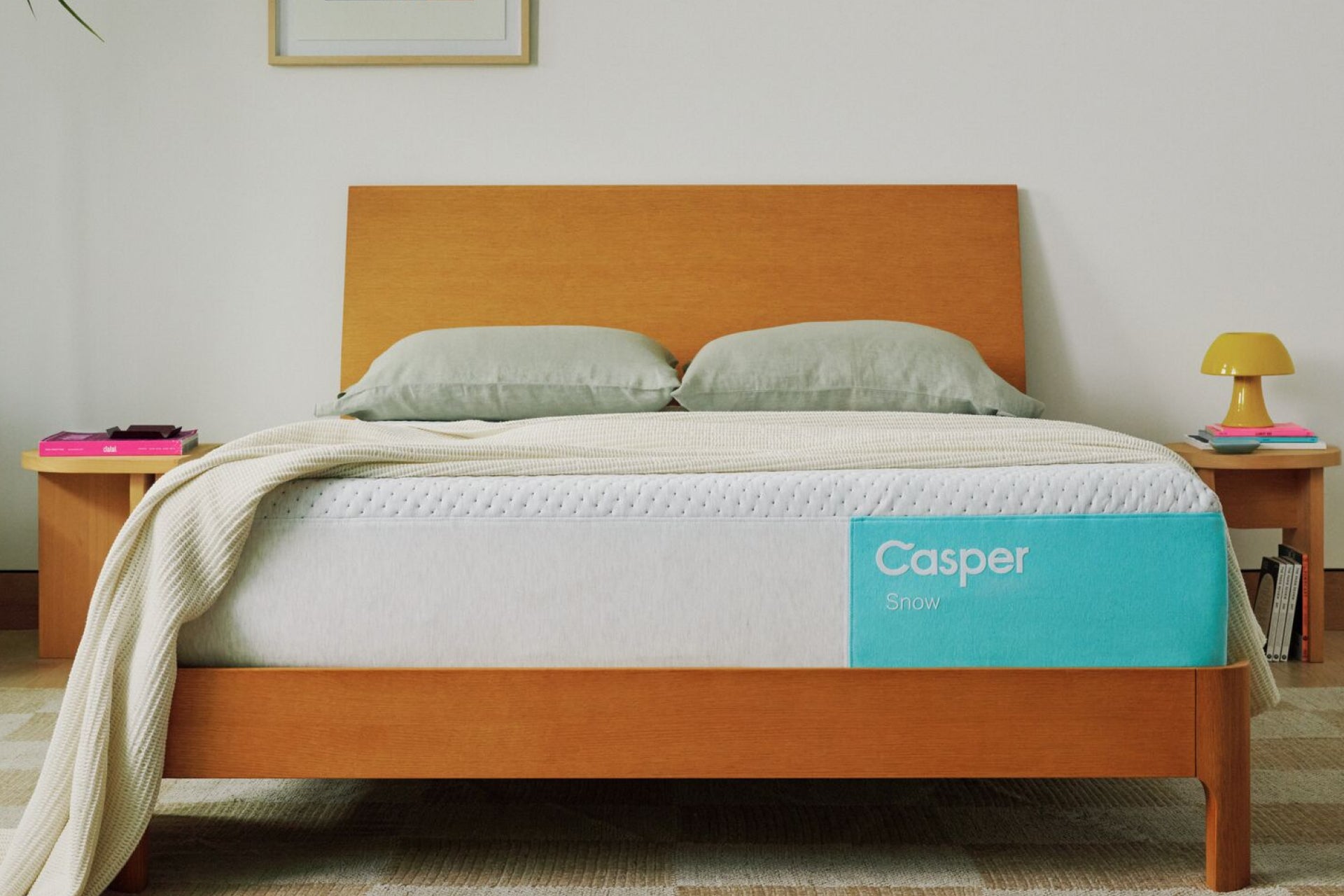
Casper offers bundle pricing on mattresses and frames, or mattresses and bedding, so you can furnish the entire bed at a lower per-item cost. It's also just less to think about. Instead of tracking down a foundation that fits and sheets that match weeks later, you get everything at once and everything works together. Browse Casper bundles today.

4. Use Discount Codes and Cashback
Sign up for a brand's newsletter before you buy. That's usually where early sale access and first-look promo codes show up first, sometimes days before a promotion goes public. A single email signup can be the difference between full price and a real discount.
From there, layer your savings. Cashback platforms like Rakuten can stack another 2 to 10% on top of a promotion that's already running, which adds up quickly on a purchase this size. And it's always worth a quick scan of third-party coupon sites before you hit checkout. Worst case, you find nothing and lose two minutes. Best case, you save twice on the same mattress.
5. Track Prices Before You Buy
Mattress retailers have a habit of inflating the "original" price so a sale looks bigger than it actually is. That "40% off" might be measured against a number the mattress never really sold for. A tool like Google Shopping lets you see the real price history and tell the difference between an actual deal and clever framing.
If you're not in a rush, give a listing a few weeks of watching before you commit, especially heading into a major holiday. Prices tend to drift and dip as promotions cycle through, and a listing that looks like a bargain today might be cheaper next week. A little patience here does the same job as a coupon.
6. Negotiate at Traditional Mattress Retailers
Mattress retail runs on some of the highest margins in consumer goods, which means there's often room to move even on a posted sale price at brick-and-mortar stores. Sales associates frequently have more flexibility than the tag suggests. So ask. The worst answer is no, and you're no worse off for having tried.
If the price itself won't budge, aim at the extras instead. Free delivery, old mattress removal, a pillow, or a mattress protector thrown in can add real value even when the number on the tag holds firm. One note worth keeping in mind: this tactic is built for traditional retailers. Online-first brands like Casper price transparently from the start and don't haggle, but they make up for it with consistent sales and trial policies that do the negotiating for you.
7. Ask for a Price Match at Traditional Retailers
Plenty of retailers will match a competitor's price on the identical model, but they rarely advertise it. The burden is on you to bring the receipts. Do your homework before you walk in, and have a screenshot of the lower price ready to show at the counter. It's your best negotiating tool and it's hard to argue with.
Even if the gap between the two prices is modest, it's still worth asking. There's no downside to the question, and a few dollars saved on a mattress is a few dollars back in your pocket. Retailers would rather match a price than watch you walk out to buy elsewhere.
8. Consider Floor Models, Open-Box, and Last Year's Models
Showroom floor models sell at a steep discount and are usually in solid shape, since a mattress on display doesn't see much real use. Open-box or lightly returned mattresses through a retailer's return program can get you something close to new for a fraction of the price, especially if the previous buyer sent it back within a trial window.
Timing helps here too. When a manufacturer rolls out a new model line, last year's version typically gets marked down to clear space. In a lot of cases the update is minor, which means you're getting the same construction and the same quality for a noticeably lower price. Ask what changed between versions before you assume the newest one is worth the premium.

9. Think in Cost-Per-Night, Not Sticker Price
Here's the math that actually matters. A $600 mattress that lasts five years costs more per night than a $1,000 mattress that lasts eight. Chase the lowest sticker price and you can end up replacing a worn-out bed years sooner, which quietly costs you more in the long run and a lot of bad sleep along the way.
When you're comparing options, weigh durability, warranty length, and the strength of the return or trial policy right alongside the price. A well-built mattress backed by a long warranty and a real trial is telling you the company expects it to last (like we do!). The lowest number up front isn't always the lowest cost over time, and a mattress is one place where cheap can get expensive.
Start Saving on Your Next Mattress With Casper
Casper checks the boxes that make buying mattresses online worth it: transparent pricing, regular sales, free shipping, and a 100-night trial that takes the risk out of buying without trying it first. You get to make the call where it counts, in your own bedroom over a few months, instead of in a showroom over a few minutes.
Bundle options mean you can outfit your whole bed at once instead of paying piecemeal prices for a mattress, bed frame, and bedding separately. Whether you're waiting on the next holiday sale or ready to buy today, Casper's site makes it easy to see exactly what's currently discounted.
Shop Casper mattresses or view our clearance selection today.