






Orthopedic mattresses focus on firm support to keep your spine aligned, while memory foam mattresses contour to your body for pressure relief.
When comparing an orthopedic mattress vs memory foam mattress, the distinction can feel unclear. Is one type of mattress better than the other, or are they designed to solve different sleep problems? The reality is that orthopedic describes a support goal, while memory foam refers to a material used to achieve comfort and pressure relief.
An orthopedic mattress is designed to support spinal alignment and reduce strain on the back and joints, while a memory foam mattress uses adaptive foam that contours to your body. Many modern mattresses combine orthopedic and memory foam principles to create an orthopedic and memory foam mattress that balances alignment and comfort.
In this guide, we’ll break down the differences between orthopedic and memory foam, explain how each type of mattress works, and help you decide which mattress is best for your sleep style, body needs, and preferences.
At a Glance: Orthopedic Mattress vs Memory Foam Mattress
An orthopedic mattress focuses on firm, even support to keep the spine aligned, while a memory foam mattress softens with heat and pressure to contour closely to the body. In practice, the best orthopedic and memory foam mattresses blend both ideas with support underneath, cushioning on top.
This is why many sleepers don’t need to explicitly choose between an orthopedic mattress vs memory foam mattress at all. A well-designed bed can deliver both orthopedic support and foam comfort.
Orthopedic Mattress Explained: Support First
An orthopedic mattress is specifically designed to promote neutral spinal alignment and reduce stress on the back and joints. You tend to sleep “on” the surface rather than sinking into the mattress, which makes movement easier.
This type of mattress is often a good fit for people who:
- Suffer from back pain or chronic back pain
- Prefer medium-firm to extra-firm mattress support
- Want a more stable, buoyant feel from an orthopedic bed
Memory Foam Mattress Explained: Contouring Comfort
A memory foam mattress is made from viscoelastic foam that responds to body heat and pressure. As memory foam contours to your shape, it redistributes weight and helps reduce pressure points before slowly returning to its original form.
Memory foam mattresses are typically chosen by people who:
- Experience back or joint pain
- Sleep on their side
- Share a bed and want strong motion isolation
Because memory foam mattresses differ in density and construction, the feel can range from plush to medium-firm.

Orthopedic vs Memory Foam: Side-by-Side Differences
Understanding the key differences between memory foam and orthopedic mattresses helps clarify which option may be a better choice for your needs.
Feel and Firmness
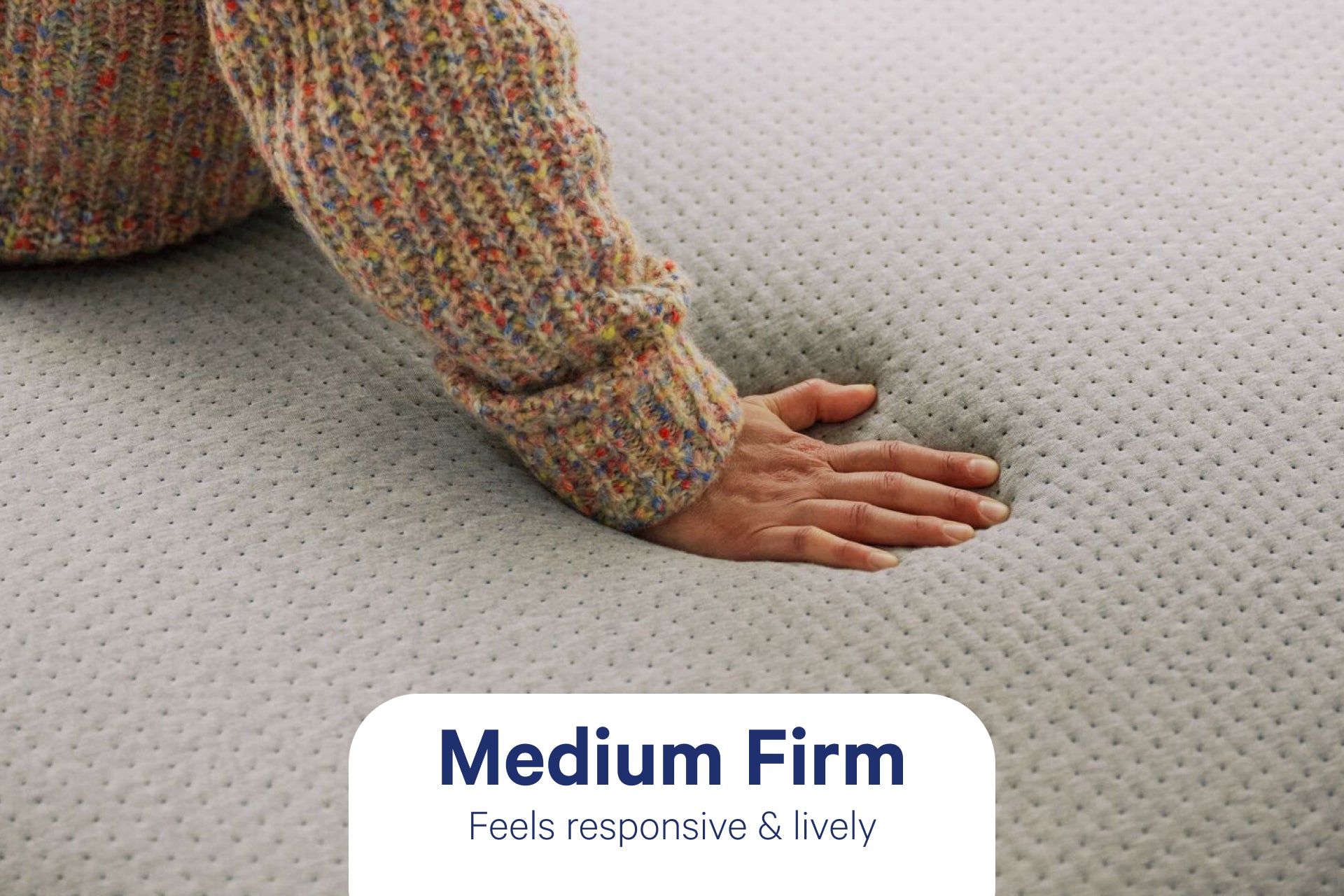
Orthopedic mattresses are generally firmer and more buoyant, helping keep your body supported on top of the mattress. Research shows that medium-firm mattresses can support better sleep quality, with more consistent sleep duration and less time spent falling asleep. That balance helps explain why this feel works well for many sleepers.1
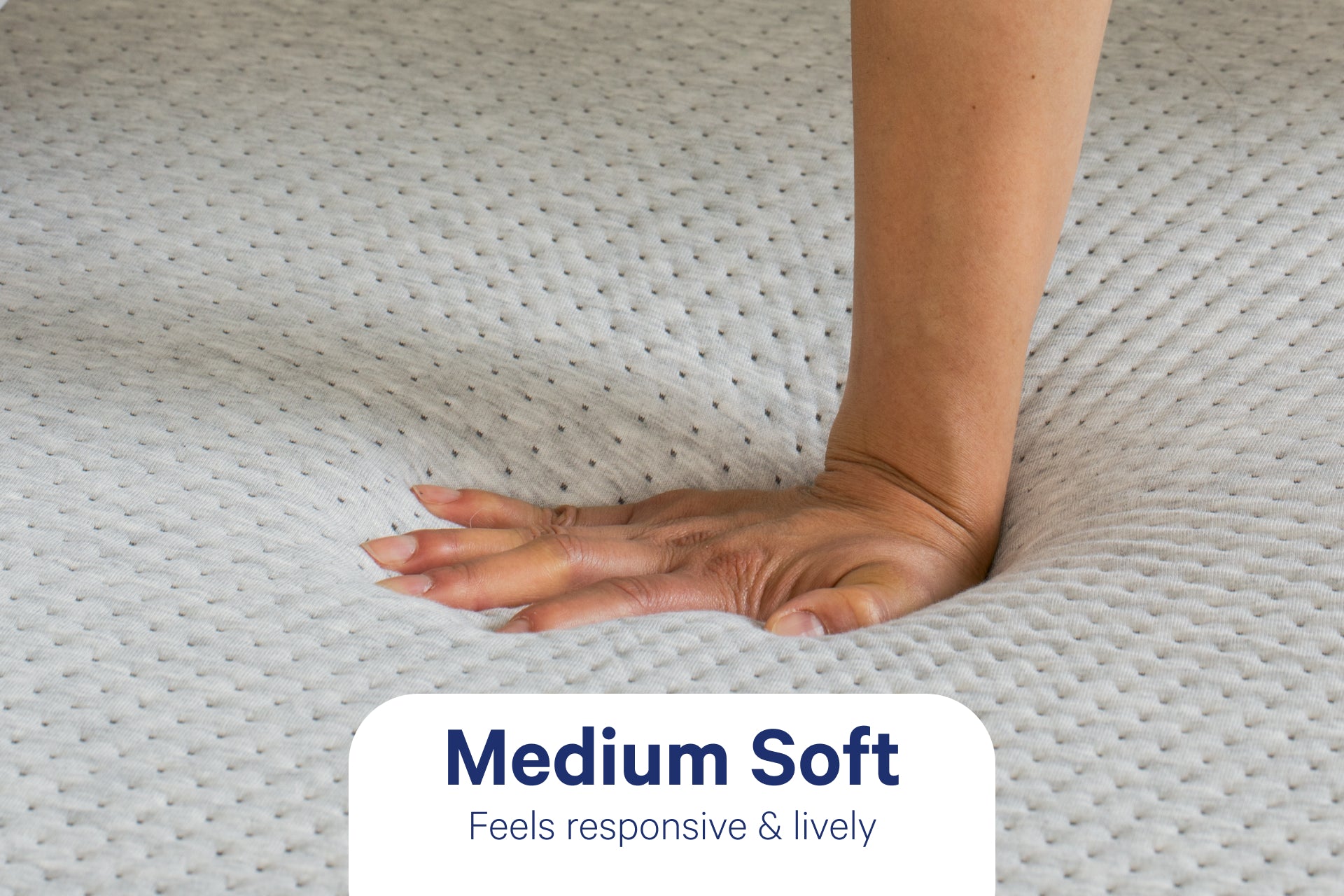
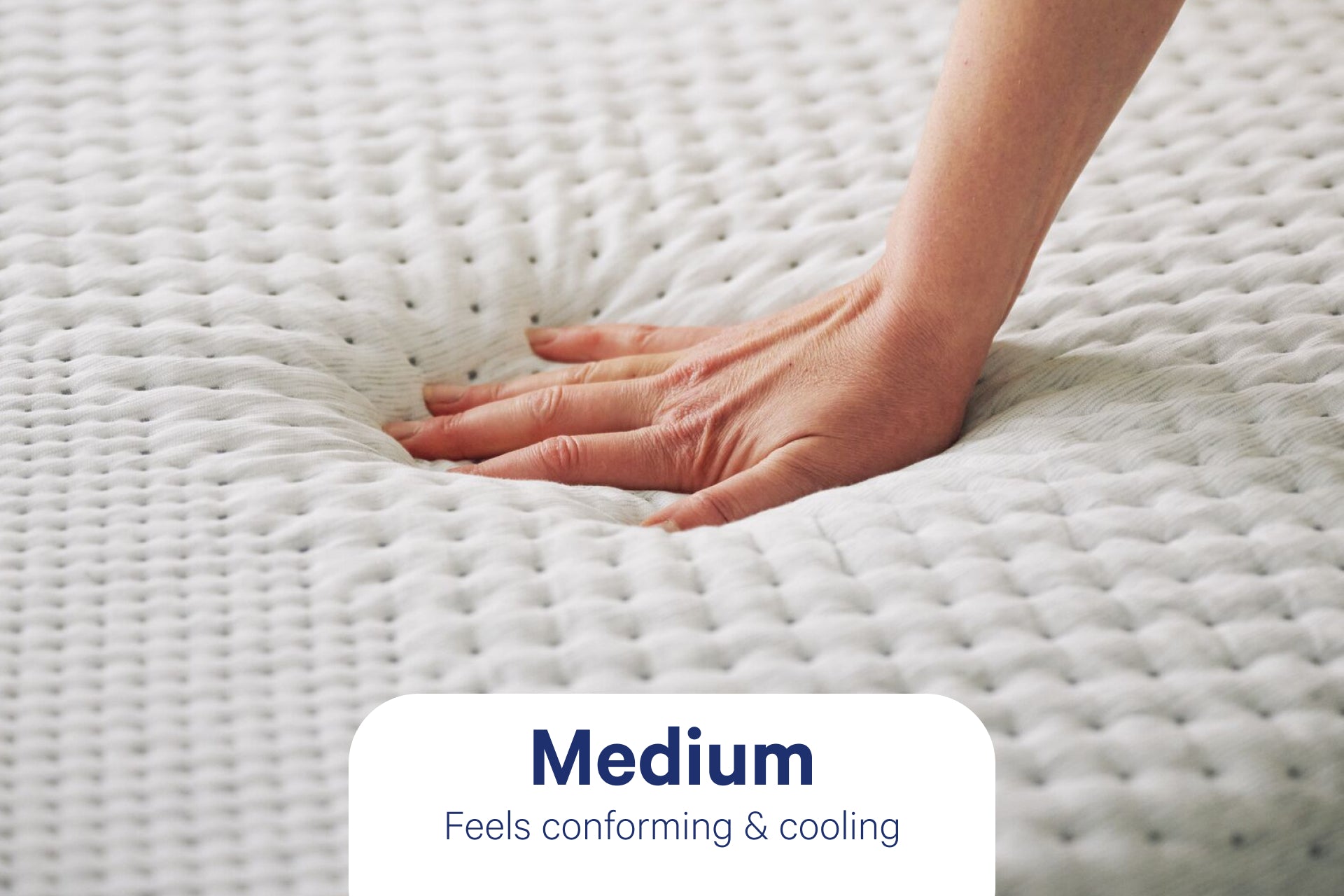
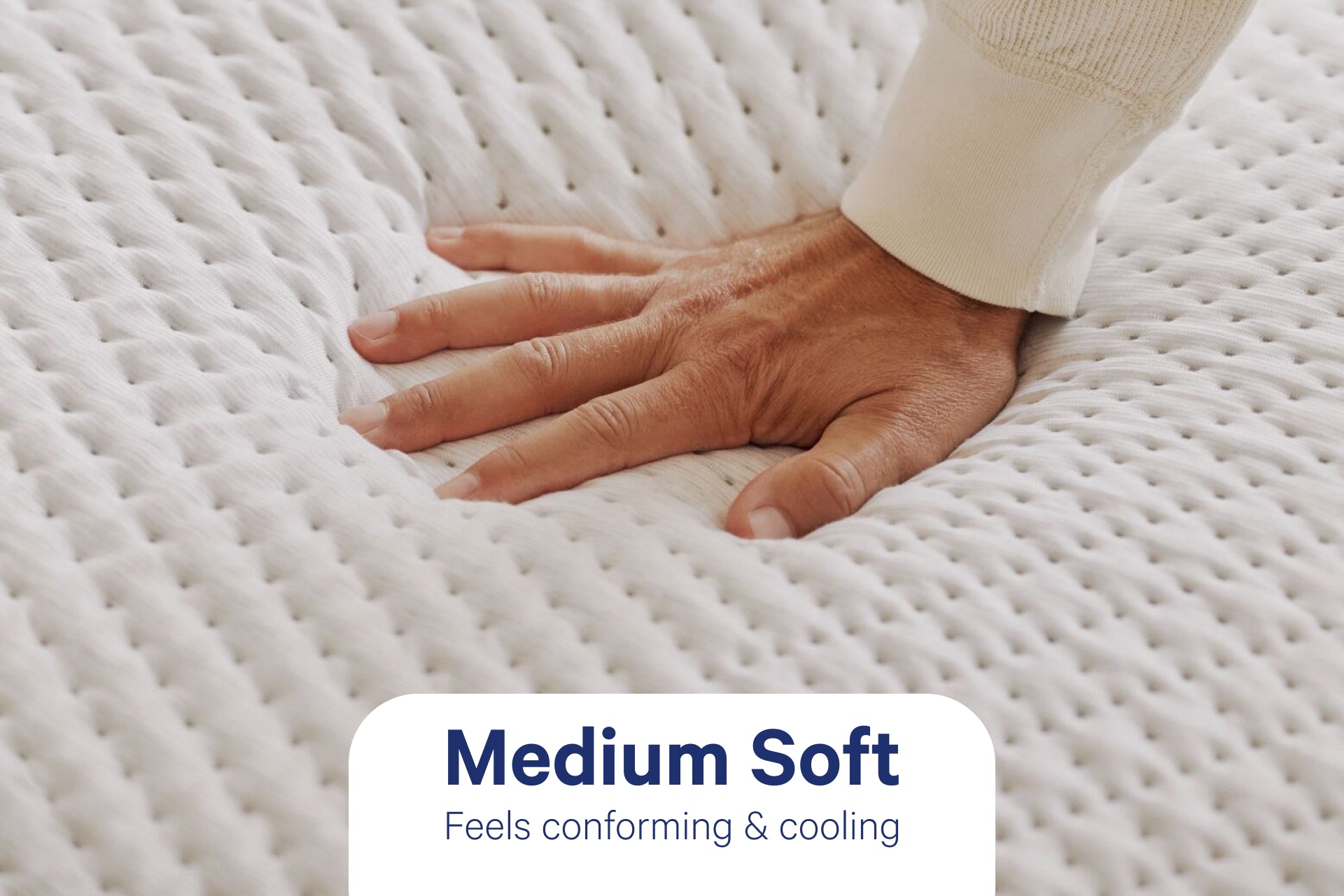
Memory foam beds feel more enveloping and closely conforming to your body, creating a deeper contouring sensation that prioritises pressure relief.
Pressure Relief vs Alignment
Orthopedic mattresses prioritise keeping the spine level and supported, focusing on stability and alignment. That's not to say that memory foam mattresses don't help align your spine—many do provide good spinal support, like ones from Casper. However, memory foam mattresses primarily prioritise alleviating body pain by cushioning pressure points, helping explain pressure relief in a mattress and why contouring materials matter for comfort.
Temperature & Breathability
Orthopedic mattresses with coil systems sleep cooler due to better airflow. Traditional all-memory foam mattresses can trap heat, though modern versions include cooling gel or open-cell structures. Since body temperature is one of the main factors that affects sleep quality and must be tightly regulated for optimal sleep, pair any mattress with cooling bed sheets to wick away heat.2
Motion Isolation
Memory foam excels at absorbing movement with great motion isolation, making it well-suited to sleeping with a partner who tosses and turns, as you notice less of their movements.3
Spring-based orthopedic mattresses transfer more motion, though some designs minimize this.
Best Sleep Positions
Your favorite sleeping positions helps determine the best mattress for you:
- Orthopedic: Ideal for back and stomach sleepers who need firm support to prevent lower-back arching.
- Memory foam: Perfect for side sleepers who need shoulder and hip cushioning for proper alignment. If you’re a side sleeper, place a pillow between your knees to help keep your hips, pelvis, and spine aligned.4

Orthopedic Mattresses: What to Know
Orthopedic designs prioritise skeletal support and posture correction. An orthopedic mattress is specifically designed to support spinal alignment and provide consistent support for the back, which can help people who experience chronic back pain or general body discomfort. This type of mattress often appeals to sleepers who prefer a firmer, more stable feel from their orthopedic bed.
Typical Constructions
There are several types of orthopedic mattresses, each using support-focused materials to achieve alignment and durability. Common constructions include:
- Spring mattress or innerspring systems for bounce and airflow
- Latex mattress designs for resilient, buoyant support
- High-density foam bases, including orthopedic foam mattress builds, designed to resist sag over time
These constructions reflect how orthopedic mattresses and memory foam differ at a structural level.
Pros of Orthopedic Mattresses
Orthopedic mattresses offer strong, even support that helps keep the spine level. This type of mattress may reduce joint strain, support the back and other body areas evenly, and prevent the “stuck” feeling some sleepers dislike. Many orthopedic designs also sleep cooler, particularly coil-based models, which can be a better option for people who tend to sleep hot.
Cons of Orthopedic Mattresses
Extra-firm surfaces can create pressure points for side sleepers or lighter individuals, meaning an orthopedic mattress may not be the best fit for everyone. Very firm mattresses have mixed results depending on body type. Spring-based models may also transfer more motion, which can be noticeable if you share a bed with a partner.

Memory Foam Mattresses: What to Know
A memory foam mattress excels at pressure relief and motion isolation, making it a popular option for sleepers who want cushioning and comfort from a foam bed.
How It Works
Memory foam mattresses are designed to respond to heat and weight, allowing the foam to conform closely to your body before gradually returning to its original shape. This adaptive response helps distribute weight evenly and reduce pressure points without feeling rigid.
Pros of Memory Foam Mattresses
One of the key benefits of memory foam is pressure relief. Memory foam mattresses offer even weight distribution, which can help with alleviating body pain and reducing stress on joints. The foam also absorbs motion, making it ideal for couples or anyone sensitive to movement during the night.
Cons of Memory Foam Mattresses
Some sleepers dislike the “sinking” sensation, which can make repositioning harder. Memory foam mattresses may also feel warmer for people who are hot to sleep, though modern foams have improved airflow, as used in Casper models. Because memory foam mattresses tend to vary by formulation, comfort and temperature regulation can differ across the types of memory foam mattresses available.
Who Should Choose Which?
Choosing the right mattress depends on your body, sleep style, and preferences, including how much you’re willing to spend on a mattress. Understanding the differences between orthopedic and memory foam can help you decide which type of mattress is better for your needs.
Choose an Orthopedic Mattress If…
You’re a back or stomach sleeper needing firm spinal support, especially if you’ve wondered if a mattress can cause back pain when support isn’t right. An orthopedic mattress may also be a better option if you weigh around 230 lb or more, prefer sleeping “on” your mattress rather than sinking in, or want the cooler airflow that comes from coil-based designs.
Casper’s picks:
Choose a Memory Foam Mattress If…
You’re a side sleeper needing cushioning for shoulder and hip alignment. A memory foam mattress may be the better choice if you suffer from joint pain, experience pressure sensitivity, or share a bed and want strong motion isolation. For most sleepers, memory foam beds provide the comfort needed for uninterrupted rest, regardless of your sleeping position.
Casper’s picks:
The Hybrid Mattress Compromise
Hybrid mattresses combine coil-based, orthopedic-like support with memory foam comfort, making them a practical all-in-one solution for sleepers with different needs.
Why Hybrids Work
A firm, lifted coil base promotes alignment and airflow, while the foam layer on top eases pressure at the shoulders and hips. For many sleepers, this balance of orthopedic and memory foam delivers the best orthopedic and memory foam experience, especially for couples or anyone who wants support without excessive firmness or sink.
Casper’s picks:

How to Decide (Quick Checklist)
Choosing the right mattress is a personal decision. Use the information below to help choose the one that best fits your sleep style and body needs.
Body Type and Preferred Sleeping Position
Heavier individuals or back and stomach sleepers often need firmer orthopedic or hybrid support. Lighter people or side sleepers may find that memory foam or plush hybrids are the better option.
Heat Sensitivity
If you tend to sleep hot, coil-based orthopedic mattresses or hybrids may help with airflow. Memory foam with cooling features can also be a good choice, depending on foam construction.
Partner Movement
If you share a bed, memory foam mattresses and hybrids reduce motion transfer more effectively than traditional spring designs.
Mobility and Ease of Turning
If you change positions frequently, buoyant orthopedic or hybrid mattresses allow easier movement than deeper contouring foam beds, which may take a moment to respond to your new position.
Casper Memory Foam and Orthopedic Mattresses
When it comes to orthopedic vs memory foam mattresses, there’s no single best choice for everyone. These two types of mattresses offer different benefits, and the right choice for you depends on your sleep style, comfort preferences, and how your body feels night after night.
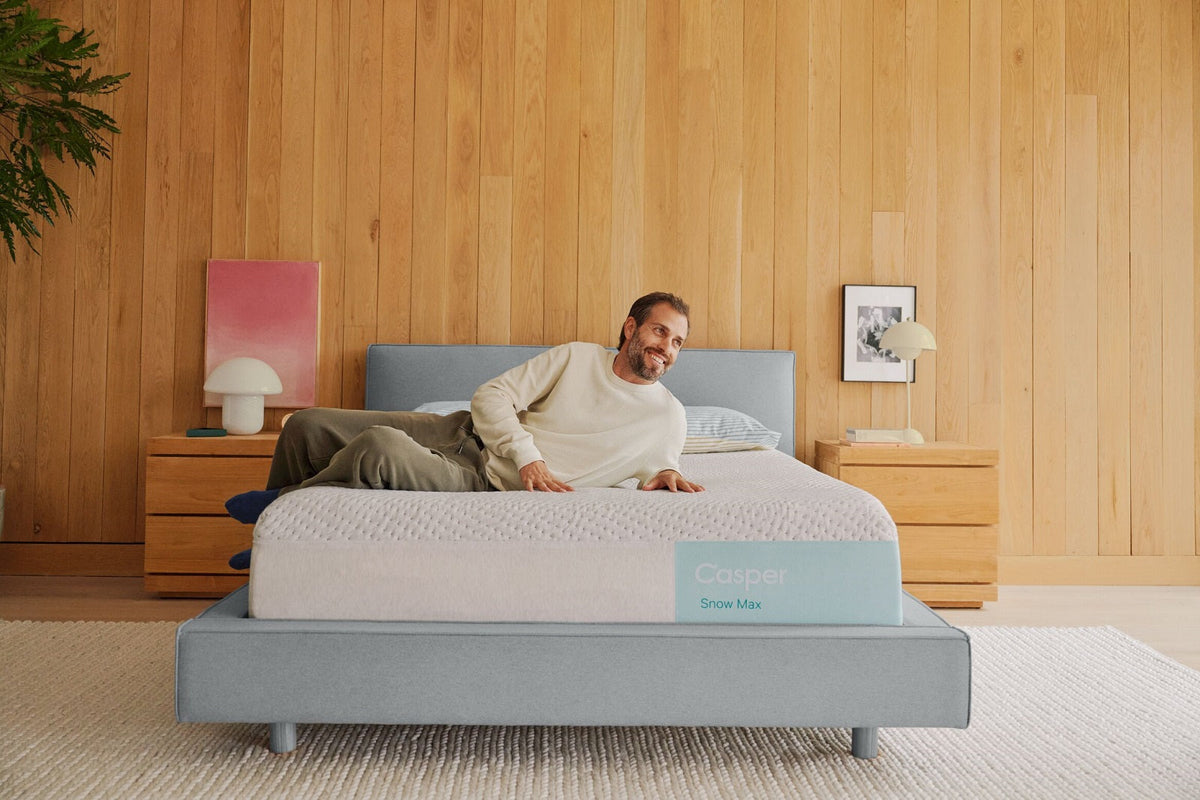
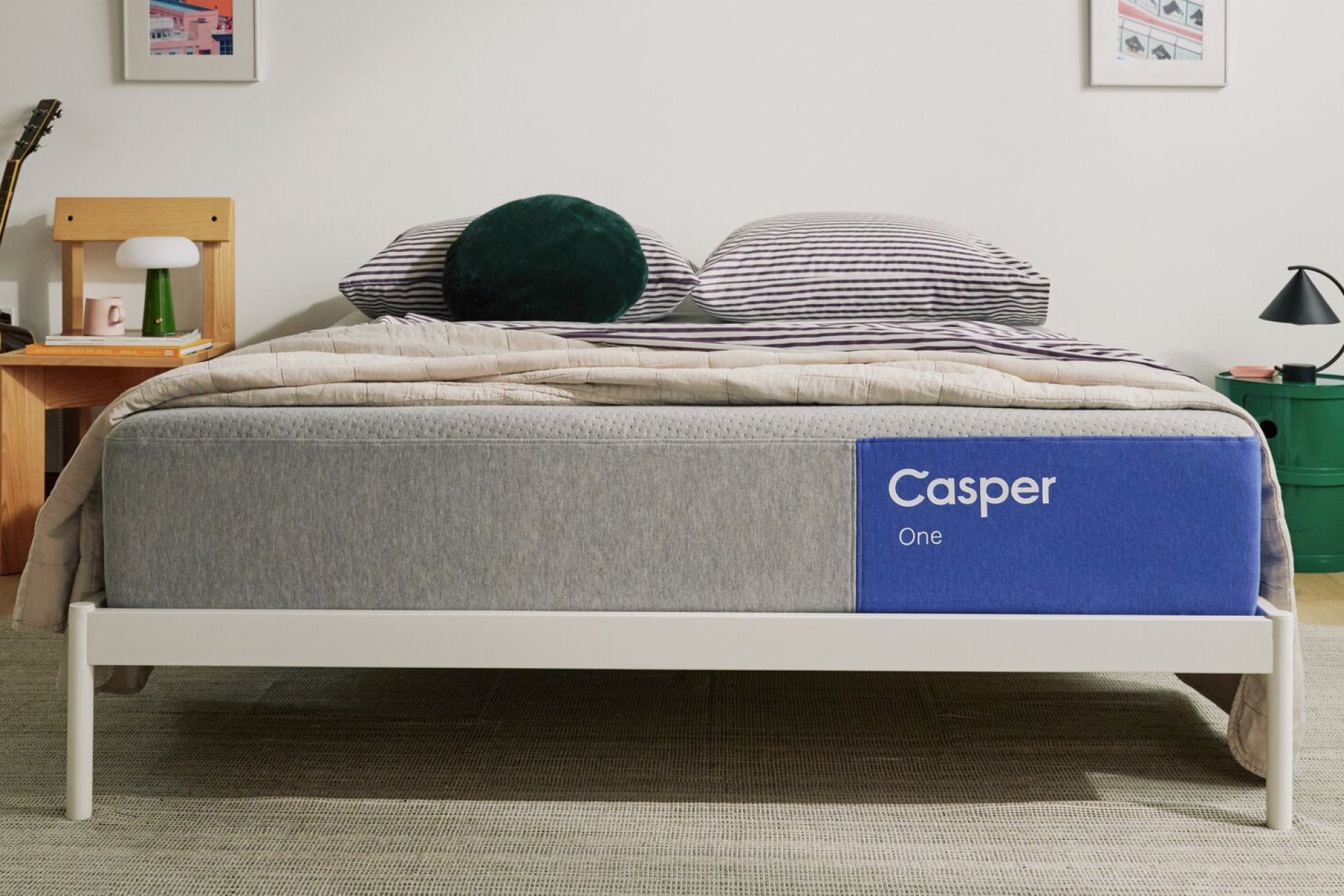
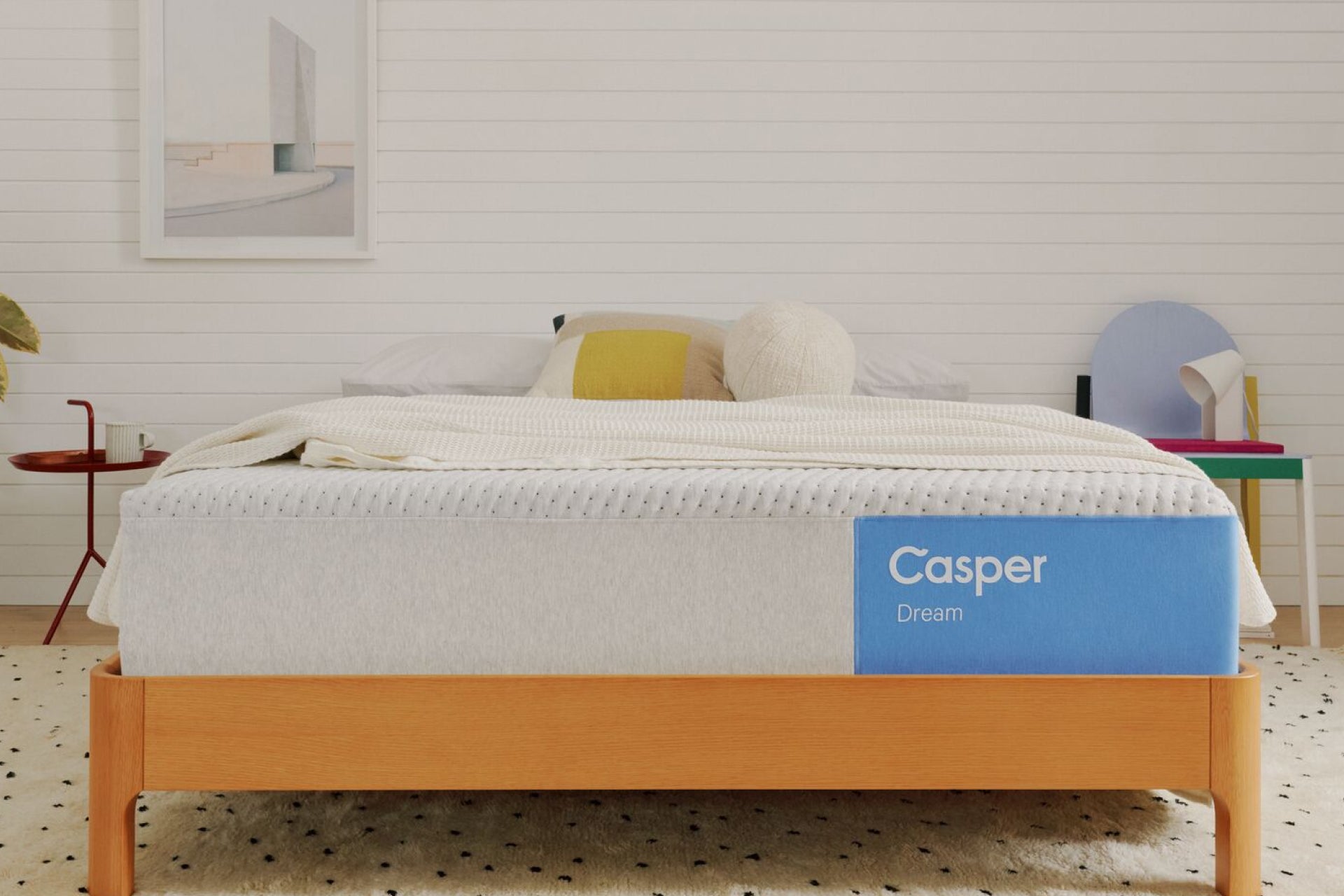
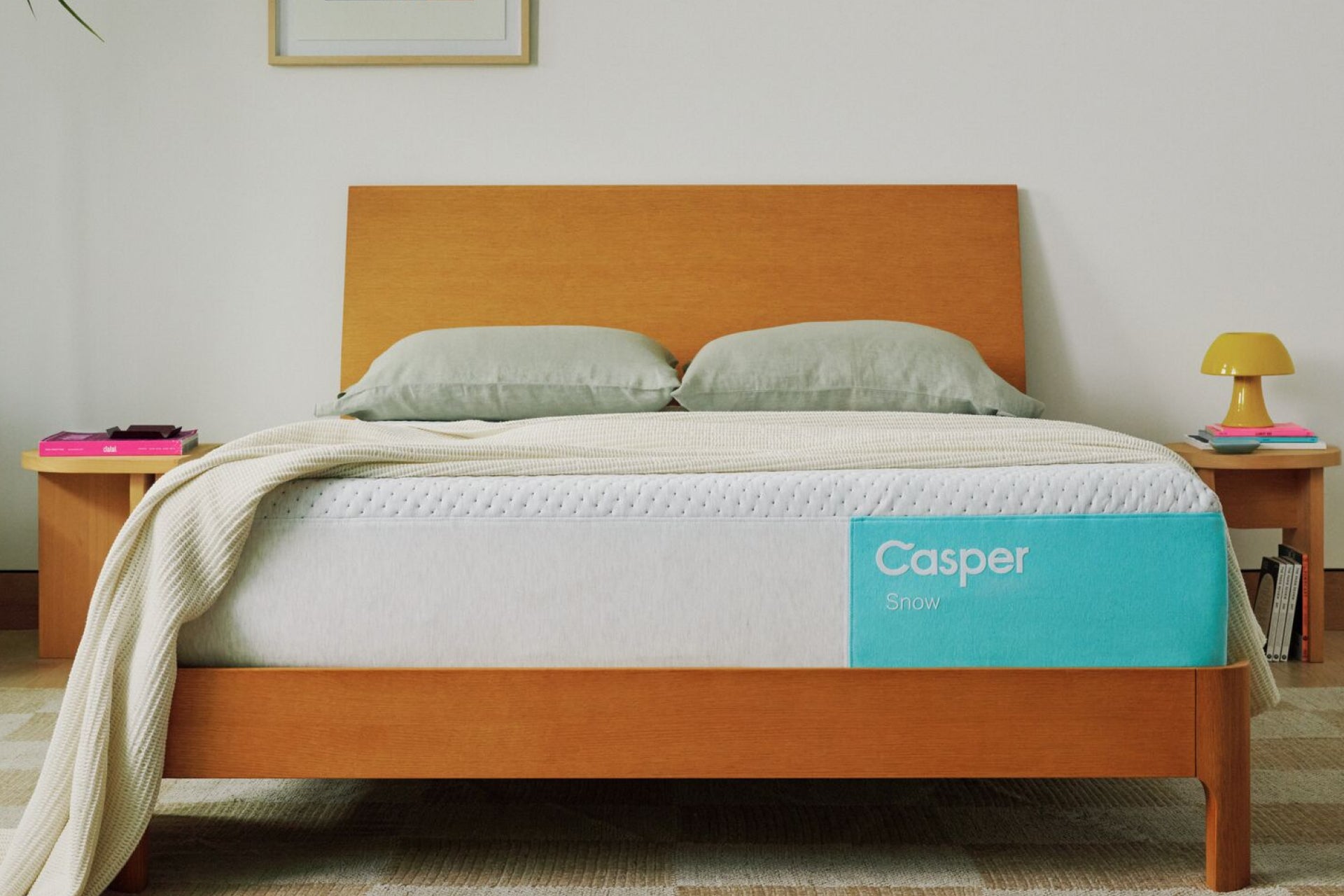
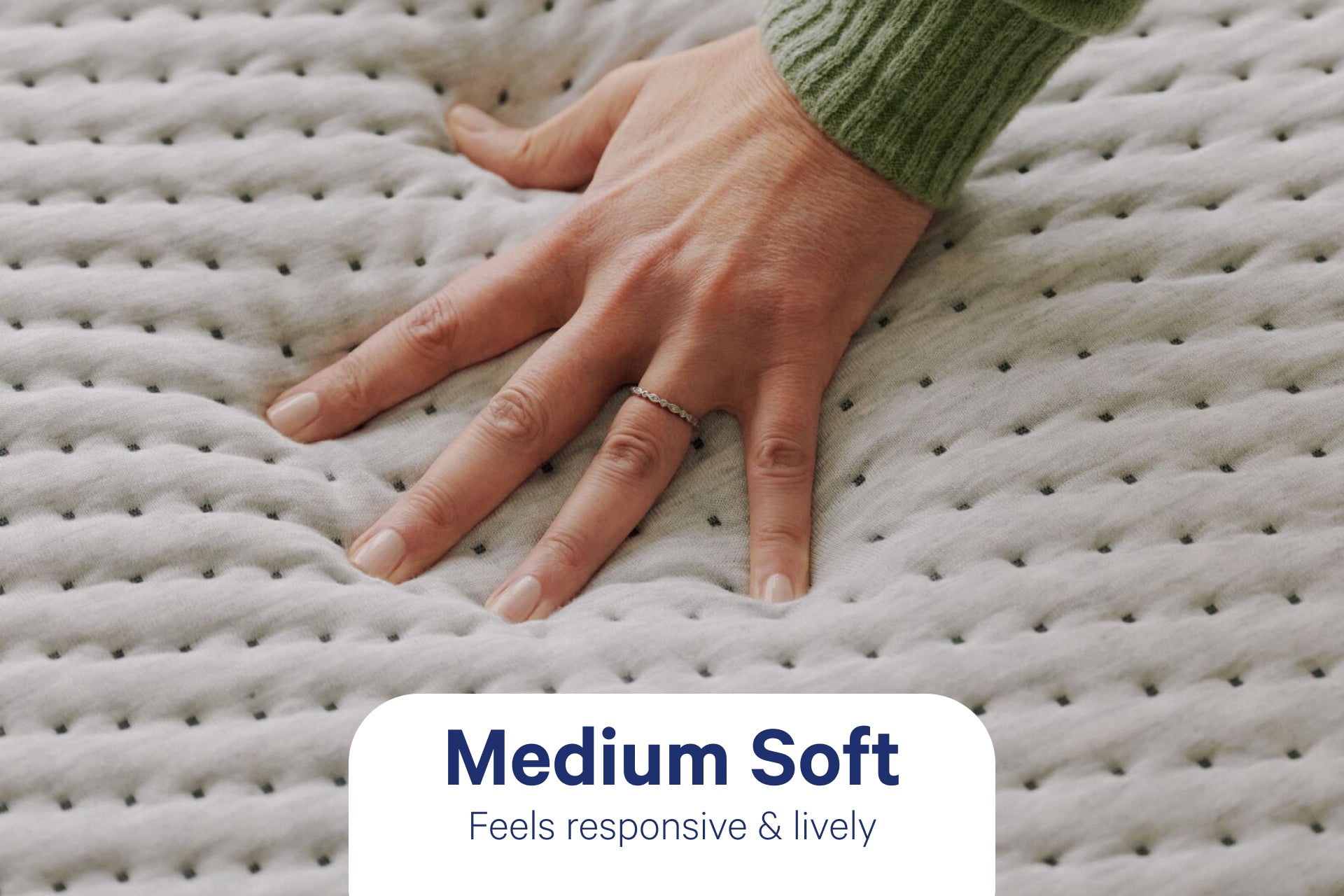
With pressure-relieving memory foam options like the One and Cloud One, and alignment-forward hybrids available like the Dream, Dream Max, and Snow models, Casper mattresses are designed with that balance in mind, pairing thoughtful support with pressure-relieving foam and breathable construction. Whether you prefer a softer, contouring feel, a firmer, more structured surface, or something in between, one mattress may be a better match than another, and Casper offers options that make it easier to choose confidently and sleep comfortably. Compare Casper mattresses today and discover your best night's sleep.
Don’t forget to complete your sleep setup with Casper pillows for optimal support, and rest easy knowing every mattress comes with a risk-free trial and trusted reviews, so you can settle into better sleep with confidence.
Sources:
- PubMed. The Effect of Mattress Firmness on Sleep Architecture and PSG Characteristics. https://pubmed.ncbi.nlm.nih.gov/40365263/
- MDPI. Sleeping for One Week on a Temperature-Controlled Mattress Cover Improves Sleep and Cardiovascular Recovery. https://www.mdpi.com/2306-5354/11/4/352
- RTINGS. Mattress Types Explained. https://www.rtings.com/mattress/learn/mattress-types#foam
- Mayo Clinic. Sleeping positions that reduce back pain. https://www.mayoclinic.org/diseases-conditions/back-pain/in-depth/sleeping-positions/art-20546852