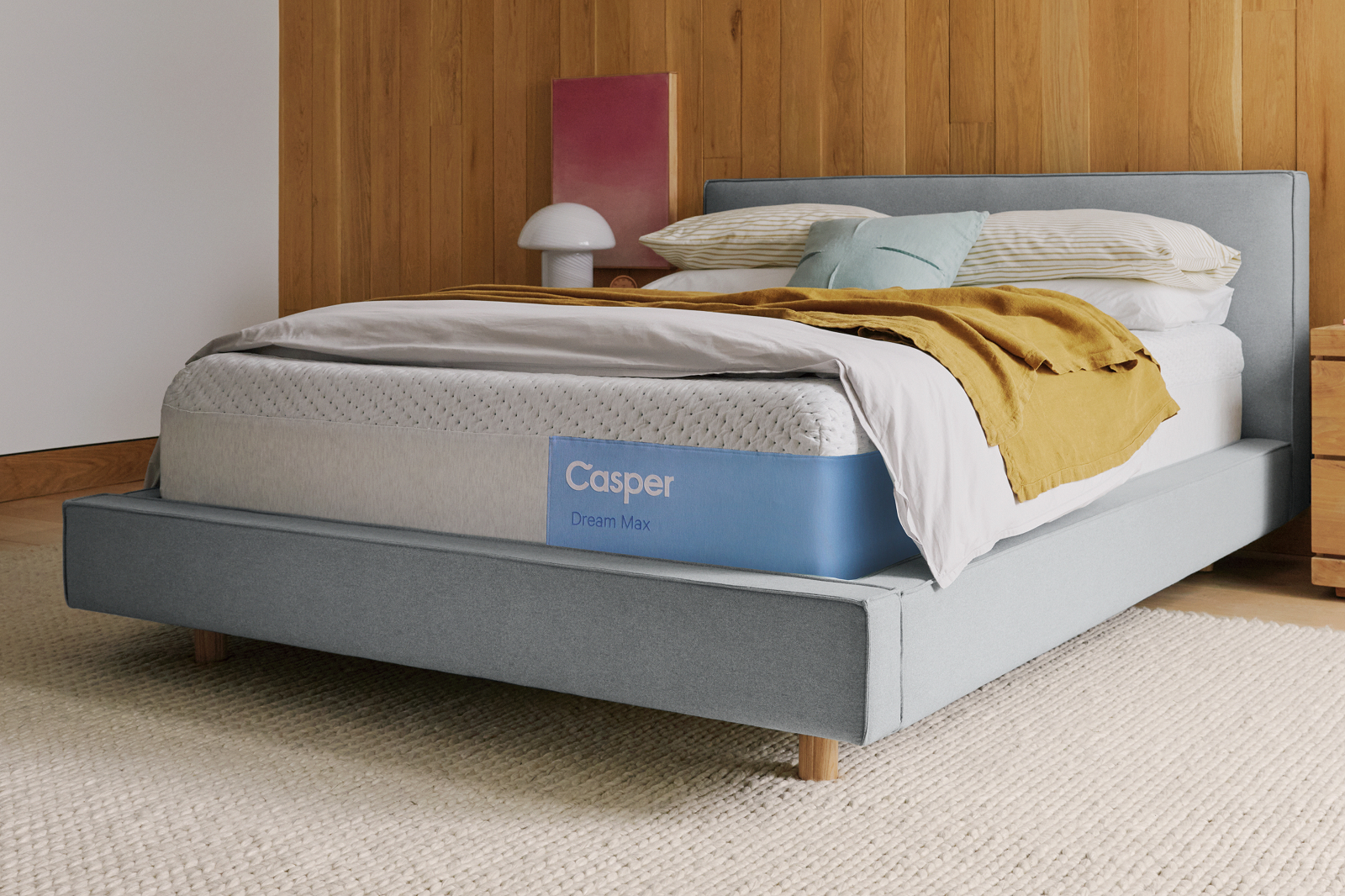





Most people should plan to spend between $1,000 and $2,000 on a queen mattress for the best balance of quality, comfort, and durability.
Figuring out how much to spend on a mattress can feel a bit like Goldilocks testing beds: too cheap and you're tossing all night, too expensive and your wallet's the one losing sleep.
Most people find their perfect match between $1,000 and $2,000 for a queen, where quality materials meet features that solve specific sleep problems.
This guide breaks down what drives the price of mattresses, what you get at each budget tier, and how to match your spending to your specific sleep needs, such as finding cooling tech or the right support for your sleep position.
Average Mattress Cost in 2026 by Type and Size
When mattress shopping, one of the most common questions is how much you should spend on a mattress. In 2026, a quality queen size mattress typically falls within a price range of $1,000 to $2,000.1 This average price reflects a balance between durability, comfort, and long-term support, all important factors when a mattress is an investment you’ll use nightly for years.
While mattress prices vary widely, the right choice is usually a mattress you can afford that still delivers consistent comfort. Understanding mattress cost by type and size helps clarify how much a mattress costs and what you can realistically expect to spend on a new mattress.
Typical Price Ranges by Mattress Type
Mattress materials are the biggest driver of mattress cost. For a queen size mattress, the average mattress price by type generally breaks down as follows:
- All-foam mattress: Often the most accessible entry point, including many budget mattress and budget-friendly mattress options made from layered foam. A memory foam mattress typically sits in the lower-to-mid price tier.
- Innerspring mattress: Built with traditional coil systems, including pocket spring designs, usually found in the budget to mid-range category.
- Hybrid mattress: Combines foam layers with pocketed coils, landing in the mid-to-premium range. This design offers balanced support and pressure relief, making it a strong choice for most sleepers.
- Latex mattress: Known for responsiveness and durability, often positioned as a luxury mattress with a higher price tag due to material sourcing and longevity.
Each type of mattress influences the overall price of the mattress, especially when comparing entry-level versus higher-quality mattress construction.
How Mattress Size Changes What You’ll Pay
Mattress size plays a major role in cost. Larger mattresses require more materials and labor, which increases the price of a mattress.
- A queen size mattress often represents the best value within this price range, balancing comfort and affordability.
- A king-size mattress carries a noticeable jump in price.
- California king and other larger mattresses typically sit at the higher end of the range.
As a rule, the larger the mattress, the more you should expect to spend on a new mattress, especially when upgrading materials or construction.
Where Most Shoppers Find the Best Value
For many buyers, the queen size remains the sweet spot. It offers generous space for couples while staying within a manageable mattress cost, making it the most popular size and often the best value per square foot.
If you’re comparing mattress models, the queen size often delivers the most balanced return, especially when shopping online or looking for strong mattress deals.

What Actually Drives Mattress Prices?
Beyond size and mattress type, several additional factors influence mattress cost and explain why some mattresses carry a higher price tag.
Materials and Construction
Material quality directly affects durability and comfort. Mattresses are made using a wide range of foams, coils, and fabrics, and mattresses are usually priced according to how long those materials hold up.
- Higher-density foams potentially increase longevity but raise mattress cost
- Natural or organic components elevate pricing
In hybrids, more individually wrapped pocket spring coils improve motion isolation and support, increasing the cost of a mattress
Cooling, Zoned Support & Other Advanced Features
Advanced features can increase the price of the mattress, but they also enhance its performance. Research shows sleep quality declines as temperature rises, which is why many high-quality mattress designs include2:
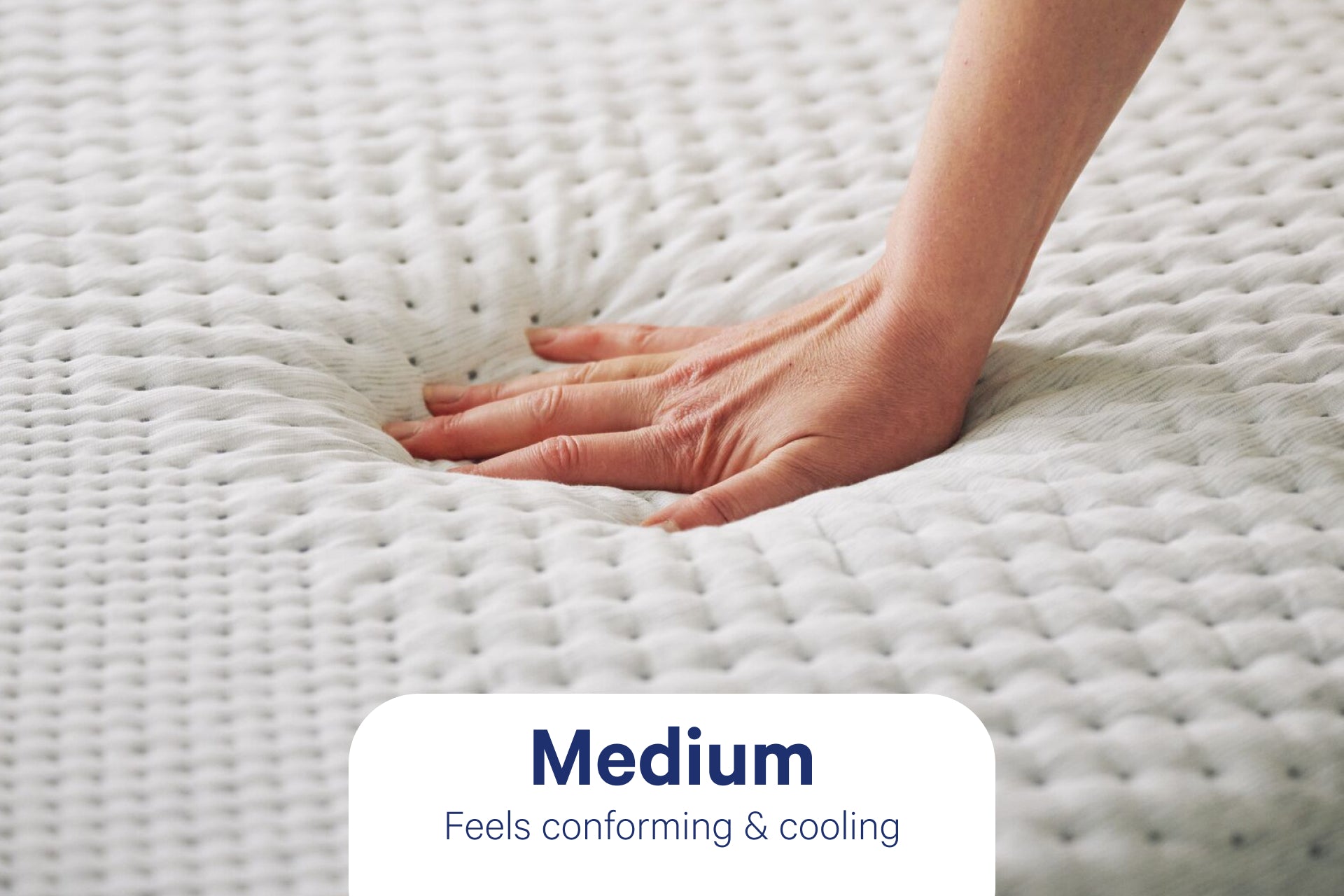
- Cooling materials for hot sleepers
- Zoned support for spinal alignment and back comfort
- Reinforced edges for stability on larger mattresses
Brand, Manufacturing Location & Certifications
Brand reputation, research investment, and quality control all affect mattress prices. Certifications like CertiPUR-US® signal that a mattress made with foam meets safety standards, adding trust and long-term value.
Trials, Warranties & Customer Service You’re Paying For
When buying a mattress online or in person, part of what you’re paying for is protection. Long trials, warranties, and responsive customer service reduce the risk of a mattress purchase, which is especially important when deciding on your budget or comparing an expensive mattress to a more affordable one. Casper, for instance, offers a 100-night risk-free trial to ensure you're satisfied with your purchase.
What You Can Expect at Different Price Points
Understanding what your budget can deliver helps guide your shopping.
Under $500 – Entry-Level and Guest Room Mattresses
These mattresses use basic foam or innerspring systems. They are suitable for guest rooms but may lack the durable support needed for nightly use and likely won’t last you long.
$500–$1,000 – Solid Everyday Options on a Budget
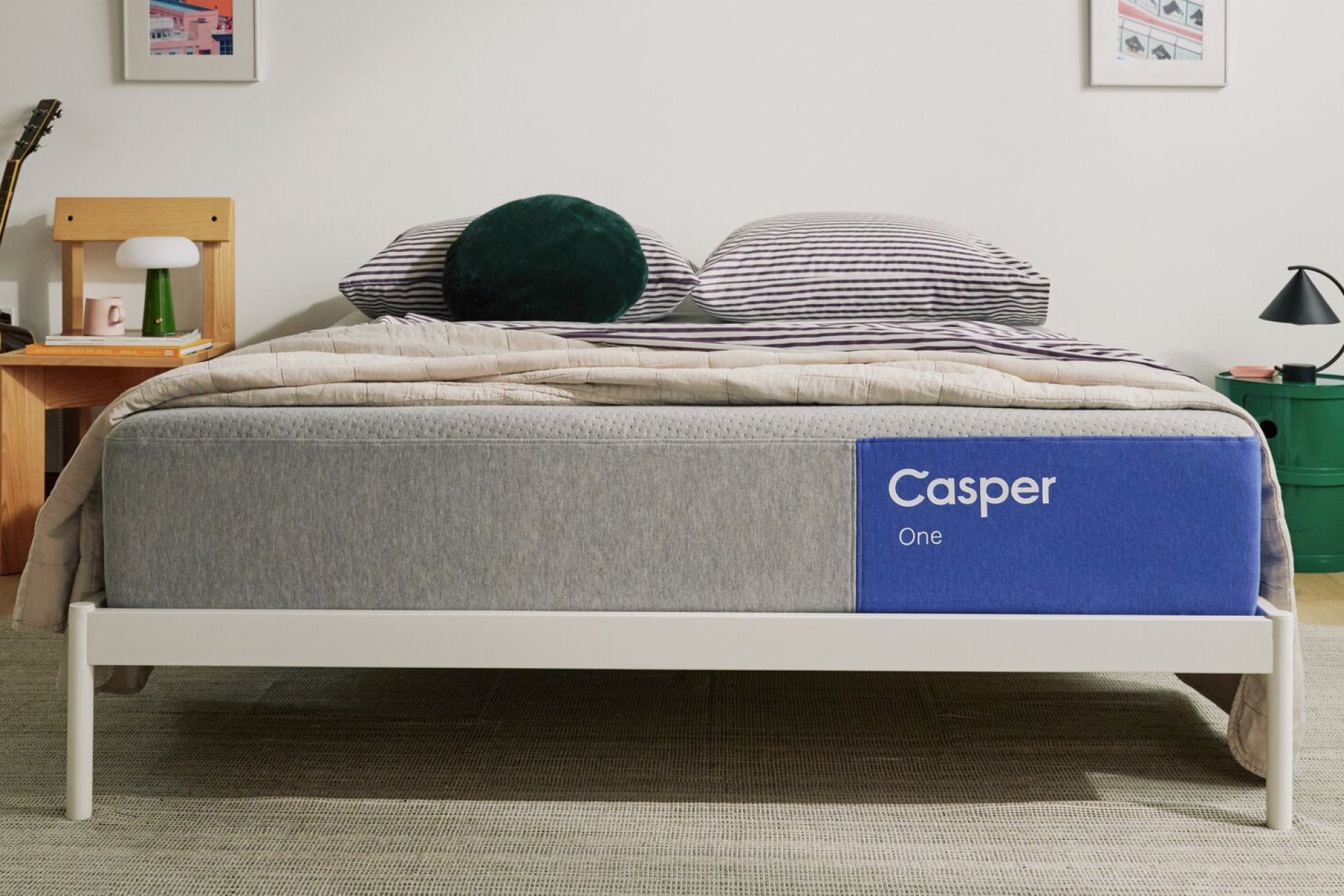
This tier includes higher-quality foam and entry-level hybrids for nightly use. For example, The One mattress offers responsive foam and reliable support starting in this range.
$1,000–$2,000 – the Sweet Spot for Most Sleepers
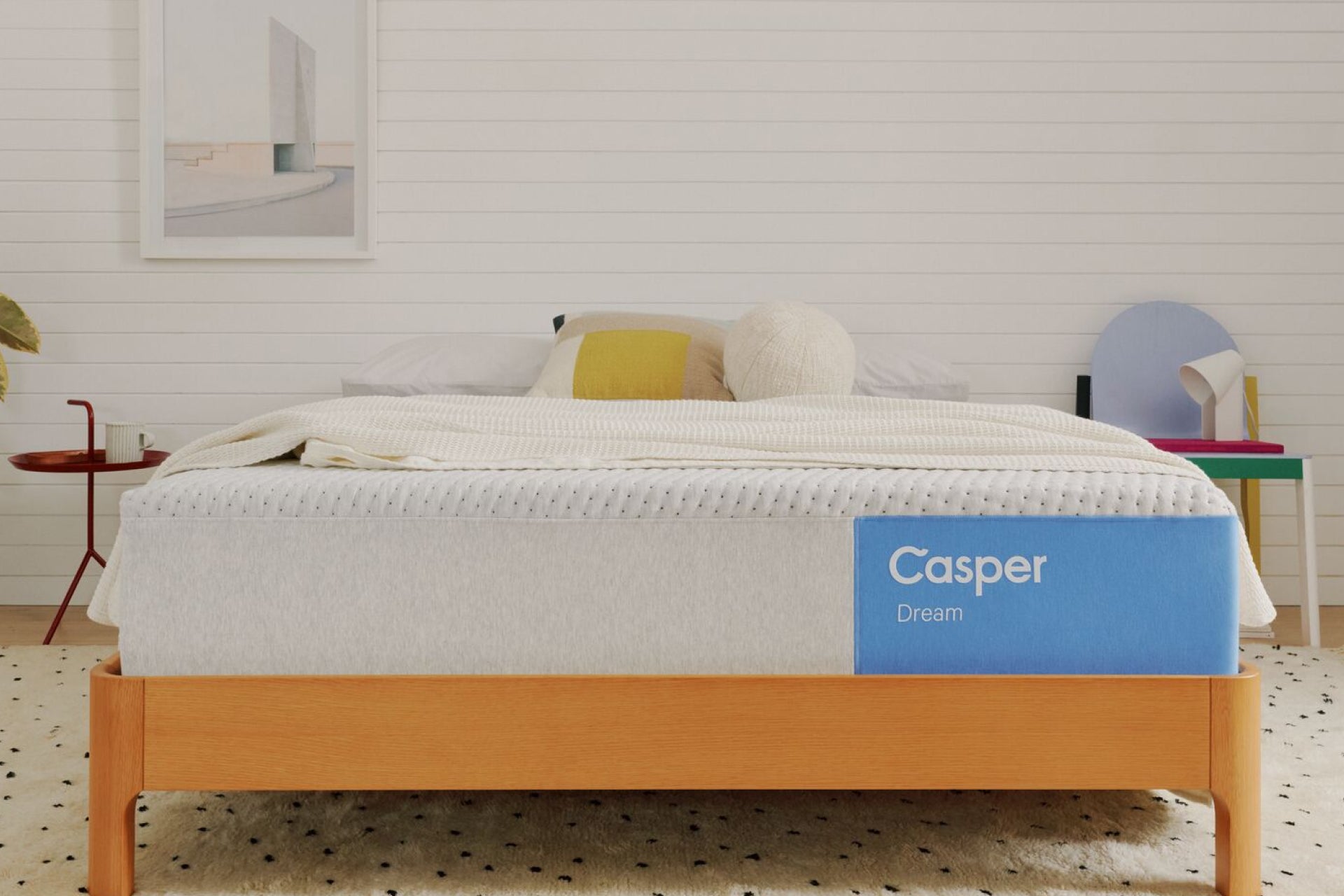
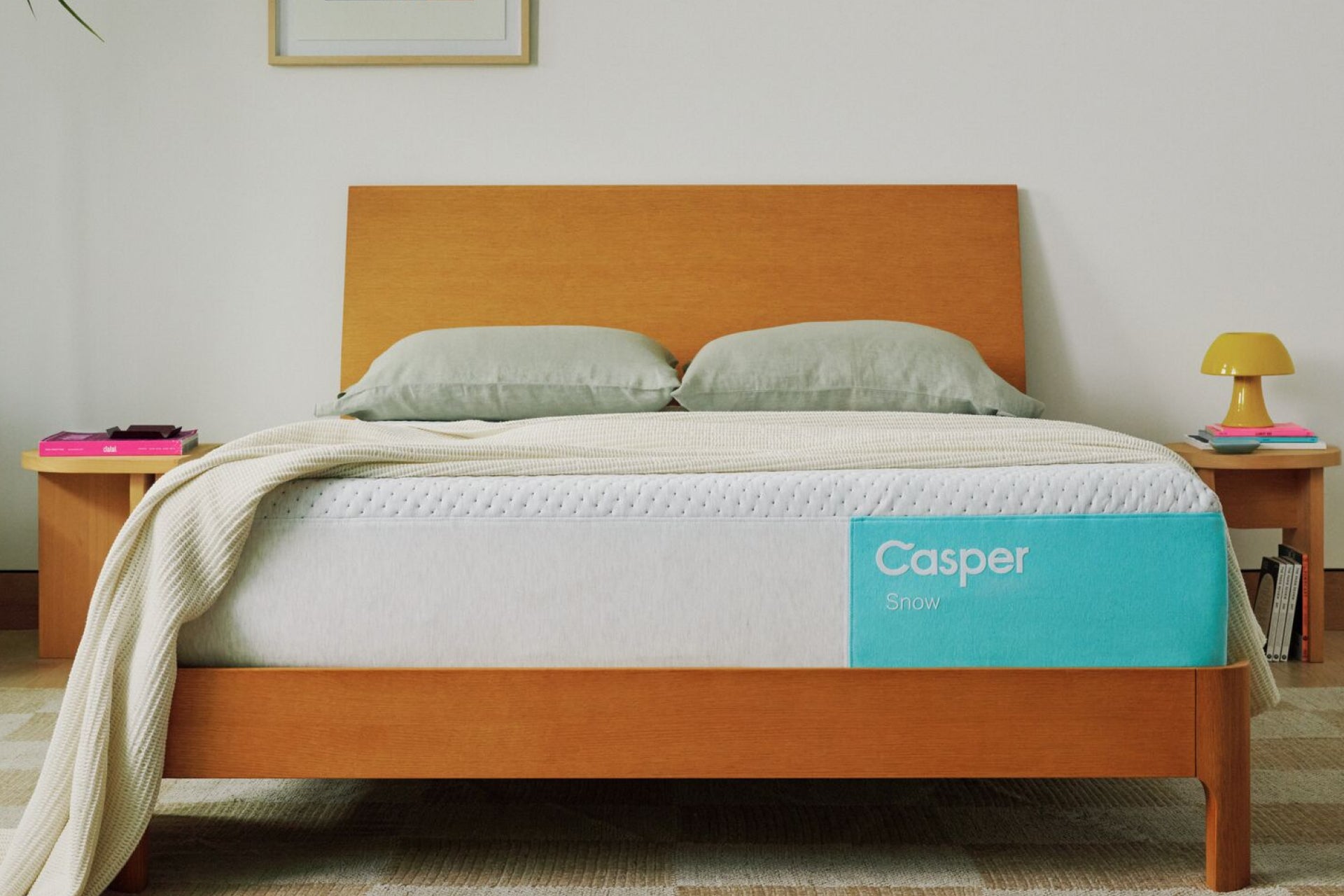
This is the sweet spot for price and performance, featuring advanced cooling and zoned support. Mattresses like the Dream and Snow provide hybrid support and specialized cooling for upgraded sleep quality.
$2,000+ – Premium, Hybrid, and Specialty Mattresses
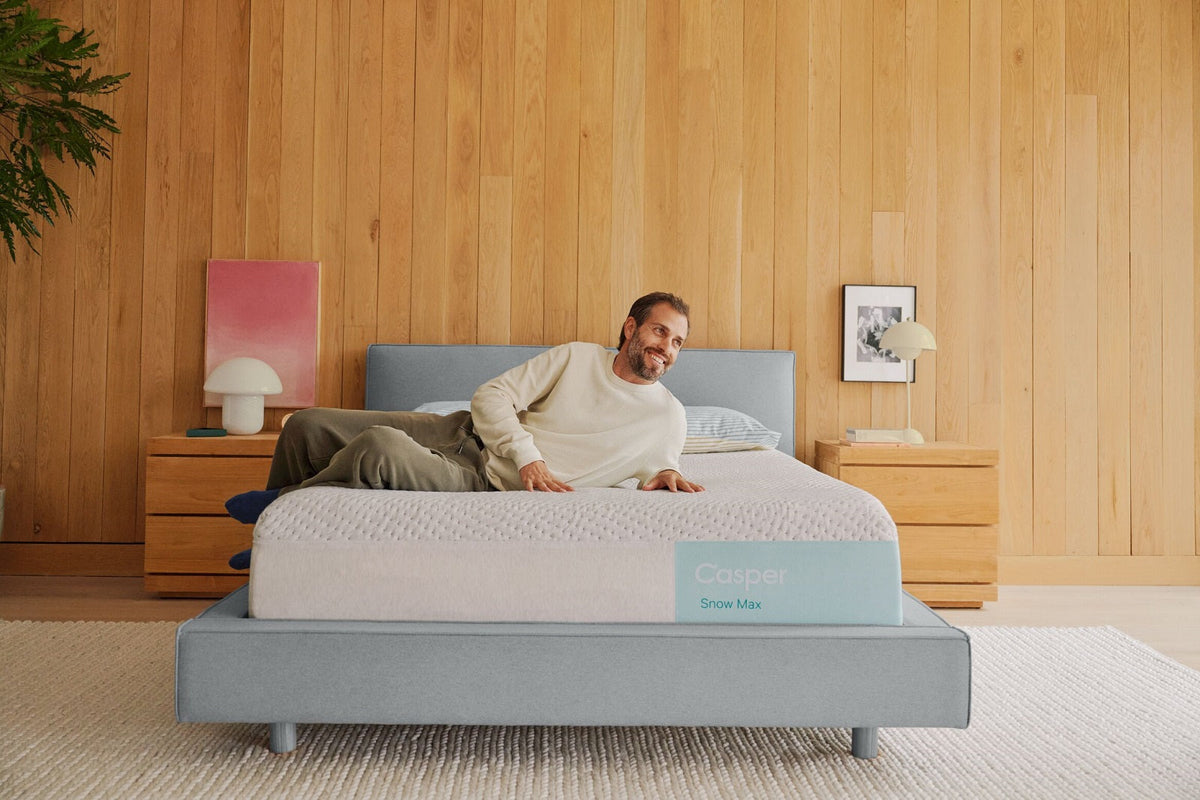
In this luxury tier, premium materials meet advanced engineering. These mattresses use top-tier components and sophisticated, durable support systems. Options like the Dream Max and Snow Max deliver maximum support, mattress technology, and comfort for those wanting the best.

How to Decide Your Mattress Budget
Setting a budget means matching your needs to a price that makes sense for you.
Start with Your Sleep Needs and Pain Points
Assess your sleep style and pain points. People who get the 7–9 hours of nightly sleep recommended for most adults are more likely to be flourishing.3 If comparing orthopedic vs memory foam mattresses, consider whether you need pressure relief for side sleeping or firmer support for back sleeping. Identifying these needs helps you focus on mattresses designed to solve them.
Factor in How Long You’ll Keep the Mattress
A good mattress typically lasts 7 to 10 years on average,4 with Casper mattresses typically exceeding that at 8-12 years. Calculating the cost per night often shows that investing in quality is more economical than replacing a cheaper mattress sooner.
Balance Upfront Cost with Financing and Cash Flow
Don't let the upfront cost deter you. Many brands offer financing, often with no interest, making quality mattresses more accessible without straining your budget.
Don’t Forget “Hidden” Costs
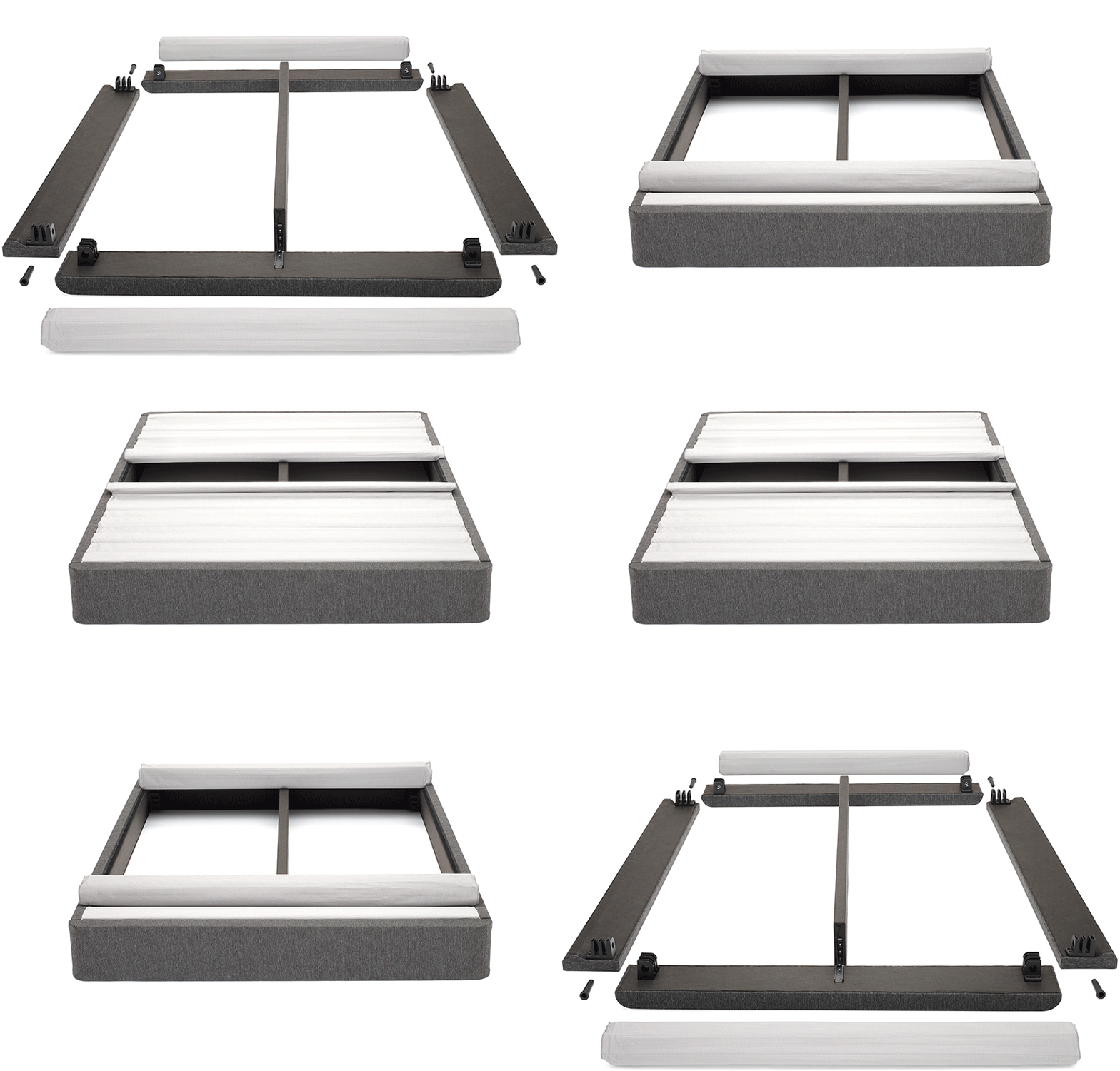
Remember to budget for your entire sleep setup, including a supportive bed frame, a mattress protector, and new bed sheets.
Ways to Save Money on a Mattress in 2026
It's possible to get a great deal on a quality mattress with the right strategies.
Shop Holiday Sales and Casper Promotions
Major holidays like Memorial Day, Labor Day, and Black Friday mattress sales are prime times for getting the best deals. Look for seasonal promotions and bundle deals to reduce your cost.
Compare Online vs In-Store Pricing and Perks
Online prices are often lower as direct-to-consumer brands cut out the middleman. Consumers who purchase a mattress online spend an average of $984, which is $258 less than those who buy in-store.5 You also get perks like free shipping and generous at-home sleep trials.
Use Trials, Return Policies, and Warranties to Protect Your Investment
A long sleep trial lets you test a mattress at home, while a solid warranty protects against manufacturing defects. Together, these policies make your purchase a risk-free investment.
Bundle Smart: Pillows, Bedding, and Bases Without Overspending
Bundling your mattress with pillows and bed sheets can unlock additional savings. It's an efficient way to upgrade your sleep setup for less. Casper offers several bundle options that combine mattresses, bedding, and accessories at discounted prices.

How Much Should You Spend on a Casper Mattress?
When deciding how much you should spend on a Casper mattress, it helps to look at your sleep needs, preferences, and long-term expectations, and not just the upfront price of a mattress. In the Casper One vs Cloud One comparison, for example, the difference largely comes down to feel, materials, and how much cushioning or structure you want from your new mattress.
Casper’s mattress lineup spans a thoughtful range, from streamlined, value-driven options to more premium designs that edge closer to a luxury mattress experience.
Ultimately, the right budget is the one that aligns with how you sleep and how long you plan to keep your mattress. Whether you’re prioritising affordability, upgraded materials, or a more indulgent sleep surface, Casper’s collections are designed to help sleepers find the right balance between comfort, performance, and value.
Find Your New Favorite Mattress, with Casper
So, how much should you spend on a mattress? The answer depends on your comfort preferences, sleep position, and how long you expect to use it. But one thing is clear: choosing high-quality materials matters. Whether you expect to spend more for advanced support or stay within a modest budget, the goal is finding a mattress that offers the right balance of comfort, durability, and performance for your lifestyle.
From supportive, value-driven designs to options that rival the best luxury mattress experience, Casper mattresses are thoughtfully engineered to meet a wide range of sleep needs. With support where you need it, breathable foams, and proven construction, Casper helps you invest confidently in better sleep. And with proper maintenance and good care of your mattress, that investment can deliver comfort night after night for years to come.
Explore Casper’s full mattress lineup to find the right fit for your sleep style, and rest easier knowing you’ve chosen a solution designed to support your best sleep, at a price that feels right.
Frequently Asked Questions About Mattress Prices and Budgets
Is $500 enough to spend on a mattress in 2026?
$500 can work for a guest room, dorm, or short-term setup, especially if you’re looking at a basic foam mattress or budget mattress. However, for a primary bed, this price point may lack the durability and long-term support most sleepers need. At this level, a cheap memory foam mattress may feel comfortable initially, but it often breaks down faster, which affects overall sleep quality.
Is $1,000 too much for a mattress, or not enough?
$1,000 sits comfortably in the mid-range and aligns closely with the average mattress price by type for a quality foam mattress or entry-level hybrid mattress. For many shoppers, this is a strong balance of comfort, materials, and longevity. Sleepers with specific needs—such as chronic pain or higher body weight—may find the mattress will cost closer to $1,500–$2,000 for the right level of support.
How often should I replace a mattress?
If you’re wondering how often you should replace your mattress, a general guideline is every seven to ten years—or sooner if you notice sagging, loss of support, or wake up with aches. Even adding a mattress topper can only extend comfort for so long before the underlying mattress needs replacing.
Are expensive mattresses really worth the money?
For many sleepers, yes. A mattress is an investment in daily health and recovery. Investing in a premium mattress often means better materials, stronger edge support, and improved durability, especially when compared to lower-cost options. Over time, the cost of a mattress that lasts longer and performs better can outweigh the upfront savings of a cheaper alternative.
Are online mattresses cheaper than in-store?
Generally, yes. Online brands typically reduce overhead costs, which helps lower cost compared to traditional retail. Many also include free shipping, at-home trials, and easy returns, making it easier to test a mattress without showroom pressure.
How can I tell if a mattress is overpriced?
Be cautious if a brand isn’t transparent about materials or construction. Fair pricing is usually supported by clear specs, solid warranties, generous sleep trials, and verified customer reviews.
When is the best time of year to buy a mattress?
The best deals typically appear around major holidays like Presidents’ Day, Memorial Day, Labor Day, and Black Friday. Shopping during these windows can significantly reduce the price of a mattress, especially if you’re upgrading to a higher tier without exceeding your budget.
Sources:
- Sleep Foundation. How Much Does a Mattress Cost? https://www.sleepfoundation.org/mattress-information/how-much-does-a-mattress-cost
- American Heart Association. Keep your cool – and stay healthy – with these hot-weather sleep tips. https://www.heart.org/en/news/2025/08/19/keep-your-cool-and-stay-healthy-with-these-hot-weather-sleep-tips
- National Sleep Foundation. Sleep Awareness Week 2025 – National Sleep Foundation. https://www.thensf.org/sleep-awareness-week/
- Sleep Foundation. Durability. https://www.sleepfoundation.org/research-methodology/durability
- J.D. Power. 2025 U.S. Mattress Satisfaction Study. https://www.jdpower.com/sites/default/files/file/2025-11-05/2025146%20U.S.%20Mattress%20Satisfaction.pdf